
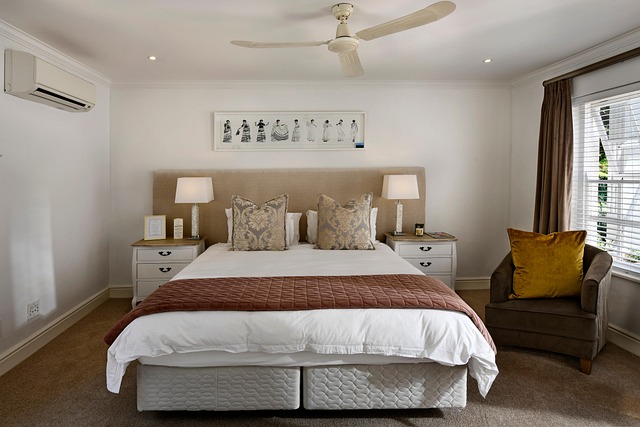
How Did Bed Room Decor Define Each Era in American Bedrooms
Here’s What American Bedrooms Looked Like the Year You Were Born
Across the past century, American bed room decor has mirrored the nation’s changing identity. Each decade left a visual record of its cultural mood—from early functional modesty to modern-day sustainability and tech integration. The evolution of bedroom design reveals how Americans shifted from viewing the bedroom as a private retreat to a space of expression, wellness, and digital life. Today’s interiors blend nostalgia with innovation, proving that personal comfort and cultural context remain inseparable in domestic aesthetics.
The Evolution of American Bedroom Decor Across Decades
The story of American bedrooms is not just about furniture or color palettes; it is a reflection of shifting lifestyles, technologies, and social ideals. Design trends have consistently translated economic conditions and cultural aspirations into tangible domestic forms.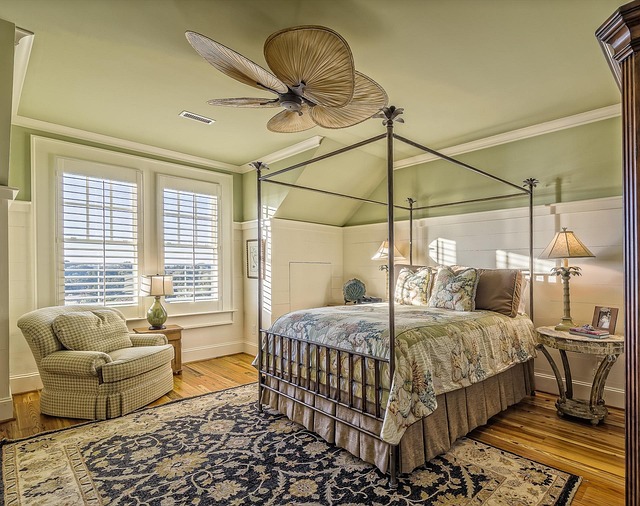
Shifting Cultural Values Reflected in Bedroom Design
Bedroom decor has always echoed societal priorities. In the early decades, utility reigned supreme; later, individuality and comfort took center stage. Each era’s aesthetic—from handcrafted woodwork to minimalist Scandinavian lines—reveals its broader context. Material availability shaped accessibility: mass production democratized style after World War II, while today’s eco-conscious consumers value ethical sourcing and transparency.
The Role of Architecture and Urbanization in Bedroom Aesthetics
Architecture dictated much of what was possible inside these private spaces. As urban density increased, bedrooms shrank but became multifunctional—serving as workspaces or media zones. Suburban expansion in mid-century America reversed that trend, offering larger rooms and decorative freedom through standardized layouts. This interplay between architecture and interior taste continues today as compact apartments inspire modular furniture systems.
Early 20th Century Bedrooms: Functionality Meets Modesty
Before modern consumer culture took hold, bedroom design emphasized restraint and necessity. Simplicity was not just an aesthetic choice but a moral one tied to thrift and humility.
The Simplicity of Pre-War Bedroom Design (1900s–1930s)
Pre-war bedrooms were practical spaces with few embellishments. Iron or wooden bed frames dominated alongside basic dressers and washstands. Textiles were plain cotton or linen in muted tones—reflecting both limited budgets and conservative sensibilities during economic downturns like the Great Depression.
Influence of the Arts and Crafts Movement on Domestic Interiors
The Arts and Crafts movement challenged industrial uniformity by celebrating craftsmanship. Handcrafted oak furniture symbolized authenticity; natural fibers such as linen reinforced honesty in materials. This approach aligned with early 20th-century ideals that equated moral virtue with simplicity—a concept still admired by designers who favor tactile quality over ornamentation.
Mid-Century Bedrooms: Modernism and Material Innovation (1940s–1960s)
Post-war optimism transformed domestic life. Families sought comfort paired with efficiency, giving rise to sleek lines and colorful confidence.
Post-War Prosperity and the Rise of Modern Design
With prosperity came access to stylish yet affordable furnishings through mass production. Built-in storage solutions reflected new organizational habits for suburban families. Modernism introduced plywood, fiberglass, and synthetic fabrics—materials that redefined affordability without sacrificing style.
Color Psychology and Optimism in Mid-Century Bedrooms
Color became an emotional language during this era. Pastel blues, mint greens, and sunny yellows expressed hope after wartime austerity. Designers coordinated hues across walls, linens, and furniture finishes to create harmony—a visual calm suited to an age seeking stability through order.
The 1970s–1980s: Individualism, Experimentation, and Excess
By the 1970s, conformity gave way to self-expression. Americans began treating their bedrooms as personal sanctuaries reflecting taste rather than social norms.
Eclectic Influences in Bedroom Decor of the 1970s
Earth tones dominated alongside bold prints like paisley or geometric motifs. Rattan chairs, macramé hangings, and wood paneling added warmth rooted in nature-inspired living. This aesthetic drew from countercultural ideals celebrating authenticity over consumer uniformity.
The Luxurious Aesthetic of the 1980s Bedroom
In contrast, the 1980s embraced glamour. Plush carpeting met mirrored wardrobes; pastel pinks mingled with metallic accents. Technology entered private life—televisions perched opposite beds while stereo systems became symbols of modern convenience. Furniture favored lacquered finishes that projected wealth even in middle-class homes.
Late 20th Century to Early 21st Century: Technology, Minimalism, and Personal Identity (1990s–2000s)
As globalization accelerated, design media spread minimalist ideals across continents. Bedrooms turned into curated reflections of personal identity rather than collective fashion statements.
Minimalist Trends Driven by Globalization and Media Influence
Scandinavian-inspired simplicity gained traction through magazines promoting calm amid digital chaos. Pale woods like birch or ash paired with neutral textiles created visual serenity suited for smaller urban apartments where modular furniture maximized flexibility.
Emergence of Personalization in Bedroom Spaces
The late ’90s saw personalization become mainstream through DIY culture and accessible retail collaborations at major stores like IKEA or Target partnerships with designers. Lighting evolved too—layered ambient systems allowed occupants to adjust mood intuitively instead of relying on harsh overhead fixtures.
Contemporary Bedrooms: Sustainability, Technology Integration, and Wellness (2010s–Present)
Today’s bedroom balances environmental ethics with digital convenience while prioritizing mental health—a triad shaping modern domestic philosophy.
Eco-Conscious Materials Defining Modern Bedroom Decor
Sustainability dominates current design discussions. Consumers favor FSC-certified woods or OEKO-TEX-labeled fabrics ensuring low chemical impact on indoor air quality per ISO environmental standards (ISO 14001). Minimal waste production guides both manufacturing choices and spatial planning strategies within professional interior design practice.
Digital Lifestyle Integration within Private Spaces
Smart lighting now syncs with circadian rhythms via IoT-enabled systems recognized under IEEE smart home protocols for energy efficiency compliance. Hidden charging docks maintain uncluttered surfaces while supporting always-connected lifestyles shaped by remote work culture post-2020 pandemic shifts documented by IEA housing studies.
Wellness-Oriented Design Philosophies in Modern Bedrooms
Biophilic principles dominate wellness-driven interiors where large windows maximize daylight exposure proven by medical research to regulate circadian cycles effectively (Bloomberg Health Data Report 2023). Acoustic insulation enhances rest quality amid urban noise pollution per IEC acoustic performance metrics IEC 60268-16:2021 standards for sound environments conducive to sleep recovery.
The Ongoing Dialogue Between Aesthetics and Identity in American Bedrooms
Modern bedroom design continues this century-long conversation between heritage aesthetics and emerging technologies shaping lifestyle expectations for future generations.
How Historical Context Continues to Shape Modern Preferences
Nostalgic revivals reinterpret mid-century silhouettes using sustainable composites instead of plastics once popularized during industrial booms. Generational crossovers create hybrid styles blending vintage charm with smart-home integration—a visual metaphor for continuity within change across decades of bed room decor evolution.
Future Directions for Bedroom Design Professionals
Designers anticipate adaptive spaces responsive to biometric feedback technologies measuring temperature preferences or sleep cycles under ISO/IEEE health interface frameworks (IEEE P1752). Environmental ethics will likely remain central as circular material economies redefine how comfort aligns with responsible consumption patterns globally recognized by IRENA sustainability projections beyond 2035.
FAQ
Q1: Why did mid-century bedrooms use so many pastel colors?
A: They symbolized optimism after wartime hardship; designers believed soft hues encouraged psychological calm consistent with post-war family values.
Q2: How did suburban growth affect bedroom layouts?
A: Larger suburban homes allowed standardized floor plans where decorative freedom replaced earlier spatial constraints typical of city apartments.
Q3: What makes modern bed room decor sustainable today?
A: Use of certified woods like FSC-approved oak or bamboo plus organic textiles reduces environmental footprint while maintaining durability standards set by ISO guidelines.
Q4: When did technology first appear prominently in bedrooms?
A: During the 1980s when televisions became standard features alongside stereo systems marking early digital integration into private life.
Q5: How does biophilic design improve well-being?
A: By maximizing natural light exposure which supports healthy sleep rhythms while incorporating plant elements proven to reduce stress levels according to clinical interior environment studies published under Bloomberg Health Data reports.