
Are Modern Kitchen Unit Designs Transforming Indian Home Spaces
Latest Kitchen Cabinet Designs for Indian Homes: 5 Space-Saving and Decor Options
Indian kitchen design has shifted dramatically in the past decade. The latest kitchen unit designs now merge space efficiency with aesthetic precision, reflecting both cultural roots and global sensibilities. Compact modular layouts, smart storage systems, and sustainable materials define today’s kitchens. Homeowners increasingly demand designs that fit modern lifestyles while respecting traditional cooking needs. This article explores how contemporary Indian kitchens are evolving—highlighting five space-saving and decor-forward directions shaping the future of domestic culinary spaces.
The Changing Landscape of Indian Kitchen Design
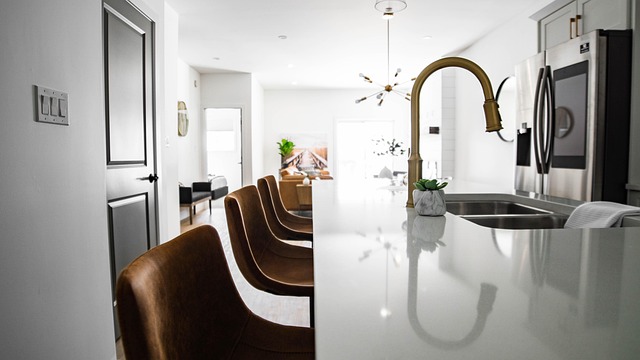
The transformation of Indian kitchens mirrors broader social and architectural changes. As urban living tightens spatial limits, kitchens have evolved from secluded service areas into open, multifunctional hubs.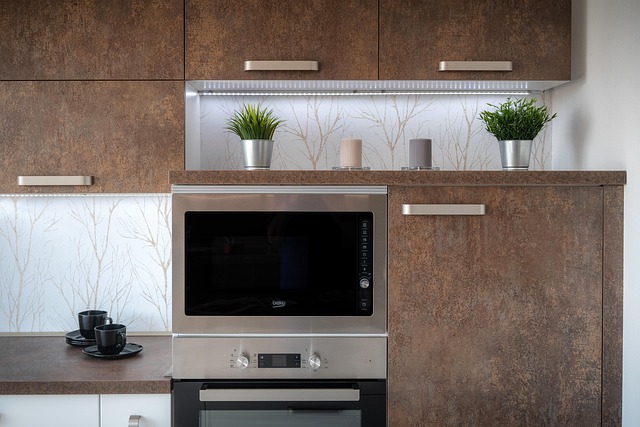
The Evolution of Kitchen Spaces in Indian Homes
Traditional Indian homes once featured closed kitchens separated from living areas to contain smoke and aromas. Today, open-plan designs dominate urban apartments, encouraging interaction during cooking. Modular systems have replaced fixed carpentry, allowing flexibility in layout and material choice. Global design influences—such as Scandinavian minimalism or Japanese compact planning—blend seamlessly with Indian functionality needs like heavy cookware storage or spice organization.
The Role of Modern Kitchen Units in Contemporary Homes
Modern kitchen units form the backbone of efficient space management. Modular cabinetry maximizes every inch through custom-fit drawers, pull-outs, and loft storage. Design innovation now focuses equally on workflow optimization and visual coherence. A well-planned layout reduces movement between cooking zones while maintaining harmony with dining or living spaces. Balancing traditional cooking habits with sleek finishes is the hallmark of present-day kitchen design.
Key Elements Defining Modern Kitchen Unit Designs
Contemporary kitchen unit designs combine durability with visual sophistication. Material selection and functional planning remain central to their success.
Material Innovation and Durability Considerations
Engineered wood, laminates, and acrylic finishes dominate modern kitchens for their resilience against heat and humidity. Unlike older plywood setups, these materials resist warping even under frequent cleaning cycles. Increasingly, homeowners prefer sustainable options such as bamboo panels or recycled composites that align with eco-conscious values without compromising style.
Functional Layouts for Optimized Space Utilization
The geometry of a kitchen defines its usability. L-shaped layouts suit compact apartments by merging counter space with corner storage; U-shaped setups enhance efficiency in larger homes by creating distinct prep zones; island configurations add sociability to open layouts. Ergonomic placement of appliances—like keeping the sink between stove and refrigerator—improves workflow while minimizing fatigue during long cooking sessions.
Space-Saving Kitchen Unit Concepts for Indian Homes
Urbanization has made compact living a norm in India’s metros. Smart design strategies now allow even small kitchens to feel organized and spacious.
Smart Storage Solutions in Limited Spaces
Pull-out cabinets transform narrow gaps into usable storage for bottles or utensils. Corner carousels reclaim dead corners, while vertical racks utilize full wall height for pantry items. Hidden drawers beneath counters keep essentials within reach yet out of sight. Multi-functional units often double as breakfast bars or prep counters—a practical trend among younger professionals living in smaller apartments.
Compact Modular Units for Urban Apartments
Prefabricated modules designed for tight footprints simplify installation without sacrificing quality. Foldable countertops or retractable cutting surfaces expand workspace when needed then tuck away neatly. Light-colored laminates paired with reflective finishes visually enlarge confined spaces by bouncing natural light across surfaces—a simple but effective trick favored by many designers today.
Aesthetic Directions in Modern Kitchen Unit Designs
Aesthetic refinement defines the new generation of modular kitchens where color psychology and lighting play crucial roles alongside function.
Color Palettes and Finishes Shaping Visual Appeal
Neutral tones such as beige, grey, or white create calm backdrops that pair beautifully with bold accents like teal or mustard cabinet fronts. Matte finishes lend understated elegance while glossy ones amplify brightness in smaller rooms. Textured laminates replicating natural wood grains or stone patterns bring warmth without maintenance concerns associated with real materials.
Integration of Lighting in Kitchen Unit Design
Lighting design has become integral to cabinetry planning. Task lights under overhead cabinets brighten worktops during chopping or frying tasks; ambient LEDs along toe kicks create depth perception after dark; energy-efficient fixtures lower power use while elevating mood—a balance between practicality and comfort that defines premium modular kitchens today.
Technological Advancements Influencing Kitchen Units
Technology continues to reshape domestic life, and the kitchen is no exception. Smart integration now extends beyond appliances into cabinetry itself.
Smart Features Enhancing Functionality
Motion-sensor drawers open hands-free when proximity is detected—a boon when handling dough-covered fingers mid-cooking. Touchless cabinet doors reduce wear on handles while maintaining hygiene standards crucial for food zones. Built-in charging docks keep devices powered near recipe stations, while IoT-linked refrigerators manage inventory digitally through connected apps tracking expiry dates automatically.
Sustainable Design Practices in Modern Kitchens
Sustainability has moved from buzzword to baseline requirement in modern interiors. Eco-friendly boards made from agricultural waste replace conventional MDF; water-saving faucets conserve resources during daily washing routines; built-in recycling compartments encourage waste segregation directly at source—small steps collectively driving greener household behavior across urban India.
Cultural Adaptation in Indian Kitchen Unit Designs
Despite modernization, cultural nuances remain deeply embedded in how Indian families cook and organize their kitchens.
Blending Traditional Cooking Needs with Modern Aesthetics
Indian cuisine demands high-heat cooking using oils and spices that generate strong aromas; hence ventilation hoods are stronger than Western equivalents yet discreetly integrated into cabinetry lines. Heavy iron kadais find dedicated pull-out trays below stoves; spice drawers feature modular grids keeping masalas organized but accessible during fast-paced meal prep sessions.
Regional Influences on Material and Layout Preferences
Regional variations influence both material preference and layout orientation: marble counters dominate North India due to cooler climates whereas granite suits humid southern regions better for durability against moisture exposure. Local artisans contribute handcrafted detailing such as jaali patterns on cabinet shutters blending craft heritage into modern frameworks—a subtle nod to India’s artisanal lineage within contemporary form factors.
Future Trends in Indian Kitchen Unit Design Evolution
The next phase of innovation points toward personalization where technology meets craftsmanship under one roof.
The Shift Toward Personalization and Custom Modularity
Homeowners increasingly expect bespoke solutions tailored around lifestyle rather than standard catalog offerings. Semi-custom modules allow mixing finishes or altering dimensions per user habits—for instance deeper drawers for tandoor utensils or narrower racks for imported appliances—reflecting a shift toward human-centered design thinking across premium housing projects nationwide.
Emerging Aesthetic Directions Driven by Global Influence
Minimalist Scandinavian-inspired layouts emphasizing clean lines now merge gracefully with vibrant Indian palettes creating hybrid aesthetics unique to this market segment. Designers experiment with fusion concepts combining hand-carved wooden trims alongside matte steel frames bridging artisanal authenticity with industrial chic—a direction likely to dominate boutique residences over coming years as cross-cultural design exchange deepens further through digital exposure worldwide.
FAQ
Q1: What makes modular kitchen unit designs ideal for small Indian homes?
A: Modular units maximize vertical space using pull-outs, corner carousels, and customizable compartments suited for compact city apartments where every inch matters.
Q2: Which materials are best suited for humid climates like coastal India?
A: Marine-grade plywoods, high-pressure laminates, or acrylic-coated MDF resist moisture damage better than untreated woods ensuring longevity under tropical conditions.
Q3: How can lighting improve both function and decor in modern kitchens?
A: Layered lighting—task lights under cabinets plus ambient LEDs—enhances visibility during cooking while adding depth perception that visually enlarges smaller rooms.
Q4: Are sustainable materials more expensive than conventional options?
A: Initially yes due to limited production scale but costs are narrowing rapidly as recycled composites become mainstream making eco-friendly choices more accessible each year.
Q5: What trends will shape future kitchen cabinet designs in India?
A: Expect hybrid modular systems offering semi-custom flexibility combined with smart integrations like app-controlled lighting or energy tracking embedded directly into cabinetry frameworks.