
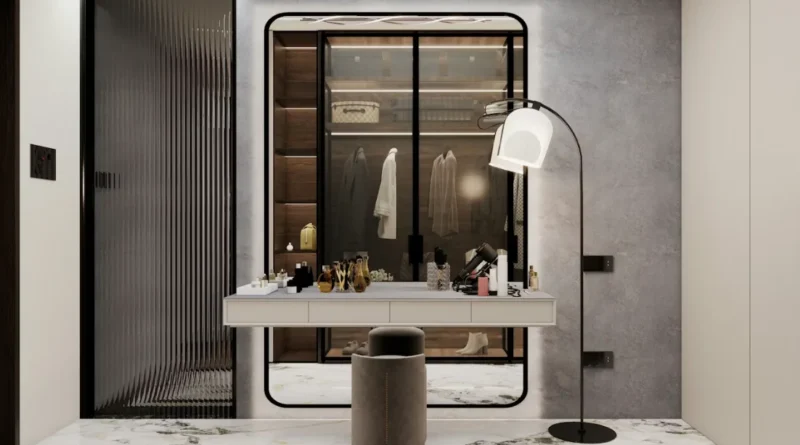
More Than a Reflection: 7 Ways Wall Mirrors Solve Small Space Challenges
Beyond the Reflection: 7 Ways Hanging Wall Mirrors Solve Small Space Problems
Small spaces can puzzle even top designers. Every bit of room matters a lot. That’s why clever tricks and handy fixes come into play. Hanging wall mirrors stand out as one of the easiest and best ways to change how a room looks. They bounce back light and space. Plus, they bring in texture, depth, and a touch of style. For experts dealing with tight spots—like city flats or small shops—mirrors really shift how a place feels and works. I remember working on a tiny studio apartment once, and just one well-placed mirror made it feel twice as big. It’s those little changes that count in real projects.
How Do Hanging Wall Mirrors Create an Illusion of Space?
Mirrors have helped trick the eye on space for years. Place them in the right spot, and they make things look double. Narrow halls or cozy living rooms seem much wider this way. Put a hanging wall mirror right across from a window. It spreads natural light around. Dark spots brighten up too. This trick works great in busy city apartments. Tall buildings block sunlight there. So, mirrors help a ton. Think about a long, slim corridor in an old building. A mirror at the end pulls the view outward, like the space just keeps going.
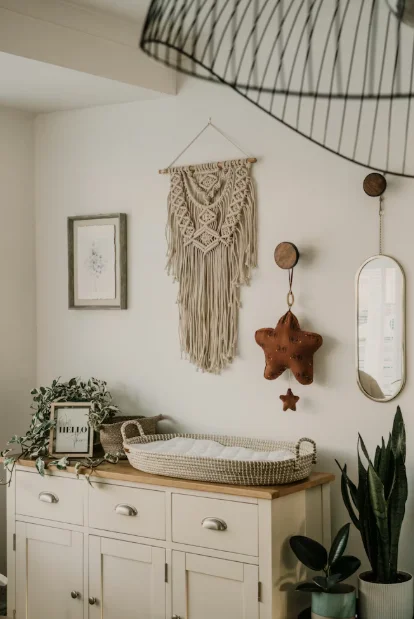
Reflective Surfaces as Visual Multipliers
A big square mirror can stretch out a dining spot in your mind’s eye. A circle-shaped one eases harsh straight lines. The bounce-back doesn’t just repeat stuff. It boosts it. Use this to make chair setups look even. Or shift focus from ugly parts of the room. In one job I did for a cafe, we hung a wide mirror over the counter. Suddenly, the back wall vanished, and the place felt open. Simple, right? But it drew in more customers who thought the spot was bigger than it was.
Why Are Hanging Wall Mirrors Essential for Light Enhancement?
Light shapes how a space comes alive. In tight rooms, it’s hard to get enough. A smartly hung wall mirror works like an extra light helper. It pushes both sun and lamp glow further in. Rooms stay brighter without extra work. I’ve seen this in basements turned into home offices. Without mirrors, they’d stay dim and gloomy. With them, daylight from a small window fills the whole area.
Placement Matters
To get the most shine, put mirrors next to windows or opposite them. Don’t face them straight on. That way, sun spreads out nice and even. No harsh bright spots. If you mix lights—like wall lamps or hanging bulbs—a mirror behind amps up their shine. You need fewer lights overall. Saves on bills too. In a recent small bedroom project, we placed one by the bed lamp. The soft glow reached every corner, making late-night reading easier.
Can Hanging Wall Mirrors Add Depth and Dimension?
Depth turns a dull setup into something you want to step into. Mirrors build that by adding see-through layers in cramped spots. Line a hall with mirrors on one wall. It looks endless. A mirror behind a kitchen sink makes it seem like there’s more room past the edge. This opens things up. Sometimes, in older homes with low ceilings, a tall mirror lifts the whole vibe. It tricks you into thinking the roof is higher.
Layering Reflections
In pro design work, stack bounces on purpose. This makes moving views fun and changing. A mirror catching a painting or some plants adds layers. No extra mess in the real space. Picture a living room with plants by the window. Mirror it across the way. Now, green pops up twice, and the room feels alive. We tried this in a hotel lobby once. Guests loved how it made the wait area feel fresh and deep, even on a rainy day.
How Do Hanging Wall Mirrors Function as Decorative Focal Points?
Mirrors do more than optical stuff. They act like art pieces you can touch. Frames from metal like brass, plain wood, or rock add feel to bare rooms. Often, a huge hanging wall mirror takes the place of pictures on the wall. It grabs eyes and stays useful. In fact, in some modern spots, it’s the main draw. No need for fancy prints when the mirror does double duty.
Style Integration
For fresh looks, plain edged mirrors fit right with simple chairs and tables. Fancy frames go well in old-style or mixed rooms. They bring warmth and fun through different feels. I once saw a rustic cabin with wooden-framed mirrors. It warmed up the cold wood walls perfectly. Blended right in, like it was always there.
Do Hanging Wall Mirrors Improve Functionality in Tight Layouts?
When space runs short, things don’t work as well. Mirrors add options without taking up ground. That’s better than stand-alone items that crowd the floor. They fit walls and keep paths clear. In busy homes with kids, this means fewer trips over stuff.
Dual-Purpose Design
In front halls, a tall hanging wall mirror with hidden hooks on the back gives use and nice looks. In baths or work studios, where walls do many jobs, mirror doors hide storage. They keep the flow smooth. One client had a tiny powder room. We added a mirrored medicine cabinet. It stored towels but made the space look twice as big. Practical and pretty—win-win.
How Can Hanging Wall Mirrors Enhance Psychological Comfort?
How a space hits your mind matters more than folks think. Tight spots can feel boxed in. Shiny surfaces fight that. They bring open feel and flow to still places. People relax more. It’s like the room breathes easier. Studies show this, but I’ve felt it in real life too—after a long day, a mirrored entryway just welcomes you home better.
Emotional Impact
See more light and fake room around. Your head links it to free space, not traps. This quiet mind trick helps folks feel at ease. The real size stays the same. But comfort grows. In therapy offices I’ve helped design, mirrors cut down on that closed-in stress. Clients open up faster in brighter, bigger-feeling rooms.
Are There Best Practices for Choosing and Installing Hanging Wall Mirrors?
Pick based on size fit and spot, not just pretty details. Too-big mirrors swamp small walls. Too-small ones fade away. Match the room’s scale. For safety, especially in shops, check wall strength first. We’ve had to reinforce plaster in old buildings to hold heavy ones—better safe than sorry.
Professional Installation Tips
Grab strong hooks that match the wall type. This is key in work places where rules keep things safe. Think about height to eye line. Usually, 57 to 60 inches from floor to middle works for most grown-ups. It lines up with chairs or sofas of different heights. In a family home, we hung one at 58 inches. Kids could see themselves without stretching, and adults got a full view. Keeps everyone happy.
FAQ
Q1: How high should a hanging wall mirror be placed?
A: Generally, positioning the center of the mirror at about 57–60 inches from the floor aligns it with average eye level for most adults. This setup lets you catch your reflection without awkward bends. In homes with tall folks, bump it up a tad for comfort.
Q2: What shape of hanging wall mirror suits small rooms best?
A: Round or oval mirrors soften edges and make compact areas feel more fluid compared to rigid rectangular designs. They add a gentle curve that eases the tight feel. I’ve used ovals in kids’ rooms—they make play areas seem less boxed.
Q3: Can multiple hanging wall mirrors be used together effectively?
A: Yes, grouping smaller mirrors creates rhythm similar to gallery walls while multiplying reflective benefits across different angles. Arrange them in odd numbers, like three or five, for a natural look. It worked wonders in a narrow office hallway, bouncing light from side to side.
Q4: How do you prevent distortion when using large mirrors?
A: Choose high-quality glass with proper backing; cheap options may warp under humidity or poor mounting conditions. Test in a dry spot first. In steamy bathrooms, we always go for anti-fog types to keep views clear.
Q5: Are mirrored walls outdated in modern design?
A: Not necessarily—when used sparingly or framed thoughtfully, they remain timeless tools for expanding visual space without overwhelming décor. Mix with plants or shelves to keep it fresh. One trendy cafe pulled it off with just a partial mirrored accent wall—cozy yet open.