

Office desk decor ideas for style, comfort, and focus
A practical way to think about office desk decor
Office desk decor works best when it supports the way the desk is actually used. A well-arranged surface should make the screen easy to see, keep essential tools within reach, reduce visual noise, and reflect the style of the room around it. The aim is not to fill the desk with objects. It is to create a small working environment where each item has a clear purpose.
For readers looking at wider interior, furniture, and styling decisions, the Furniture & Decor section offers related context. On the desk itself, the priorities are simple: keep the active work zone usable, place decorative pieces where they do not interrupt posture or workflow, and choose materials that are easy to clean and consistent with the rest of the office.
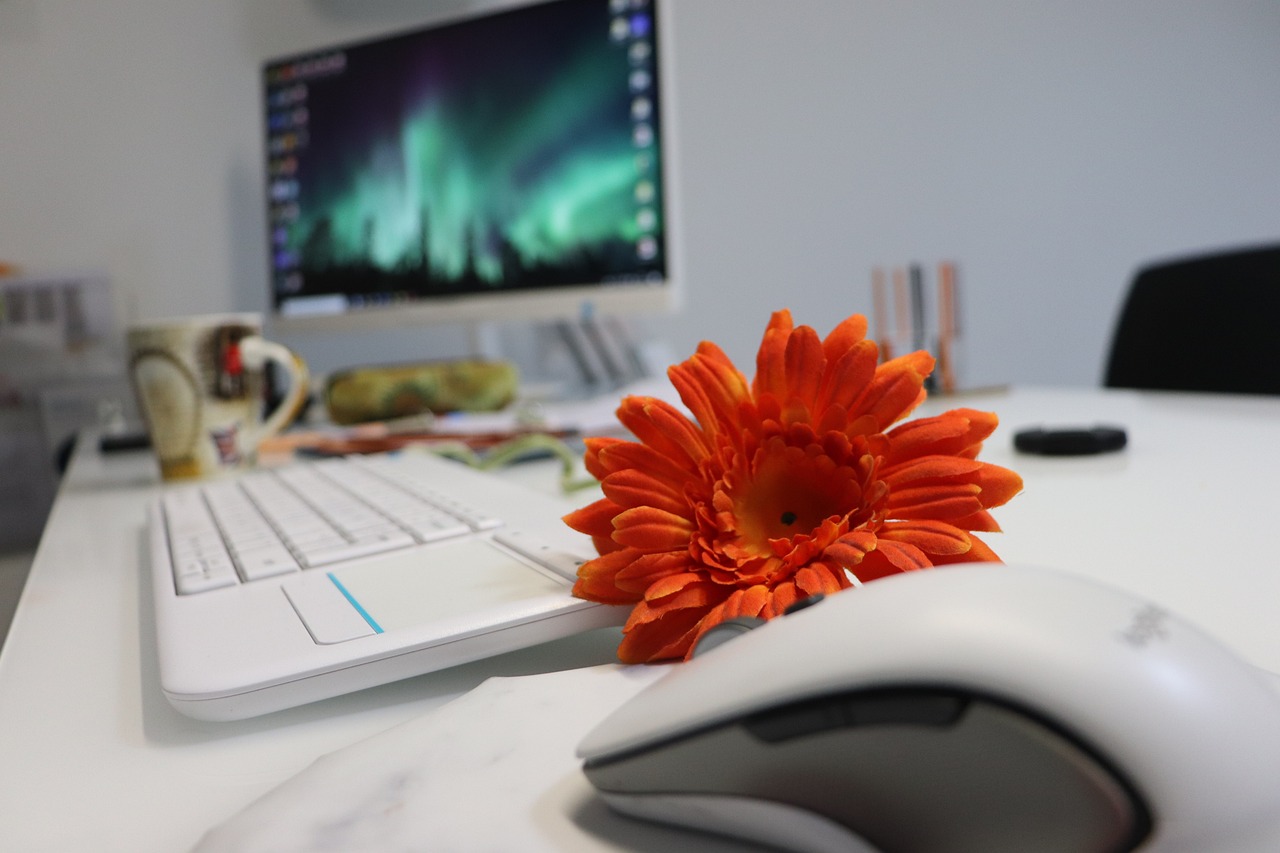
Start with the work zone before adding decorative objects
The most common mistake in office desk decor is buying accessories before understanding how the desk is used. A workstation set up for laptop work, sketching, video calls, paperwork, or dual monitors will need a different layout. Decor should fit around those tasks, not compete with them.
Keep the primary reach area clear
The primary reach area is the part of the desk where the keyboard, mouse, notebook, pen, phone, and current documents naturally sit. Keep this zone as open as possible. A decorative object that looks good in a photo can become frustrating if it pushes the mouse too far to the side or blocks a notebook during a call.
Public workstation guidance from OSHA treats the monitor, keyboard, desk, and chair as parts of one setup. OSHA’s computer workstation guidance also notes a preferred monitor viewing distance of about 20 to 40 inches, depending on screen size, text size, and user comfort. That does not mean desk decor has to look clinical. It does mean monitor stands, lamps, trays, and plants should not push the screen into an awkward position.
Use the back and sides of the desk for decorative weight
The back corners and far side edges of the desk are usually better places for decor than the center. A small plant, sculptural paperweight, framed photo, ceramic vessel, or desk lamp can add character without crowding the main work surface. If the desk sits against a wall, move some styling to the vertical plane. A pinboard, shallow shelf, wall calendar, or art print can add personality while preserving usable desk depth.
Choose pieces that solve a problem and set a tone
The best office desk decor pieces do two jobs at once. They contribute visually to the room and solve a practical problem. This is where desk styling becomes more architectural: proportion, texture, height, and circulation matter as much as color.
- A task lamp adds atmosphere while improving light direction for reading, writing, or drawing.
- A tray collects small items such as keys, earbuds, sticky notes, and lip balm, so the desk feels intentional rather than scattered.
- A monitor riser can improve screen height while creating space underneath for notebooks or a keyboard.
- A document holder keeps reference pages close to the screen, reducing repeated head turns during typing.
- A cable box or adhesive clips can turn a visually messy setup into a cleaner composition.
- A small plant or branch arrangement softens hard office surfaces and introduces an organic shape.
For people who refer to printed pages while working, OSHA’s guidance on document holders is especially relevant: documents placed far from the screen can encourage awkward neck and shoulder positions. A document holder or angled stand can be treated as a functional decor item when it is chosen in a material that fits the room, such as metal, wood, acrylic, or powder-coated steel.
Build a material and color palette that feels designed
A desk can look visually noisy when every accessory has a different finish. Instead of buying individual pieces in isolation, choose a small palette and repeat it. Two or three core materials are usually enough: walnut, matte black metal, and cream ceramic; or pale oak, brushed aluminum, and smoked glass.
Color should be edited as well. A neutral base with one accent color often works better than a collection of unrelated bright objects. In a calm office, the accent might be olive, terracotta, navy, or warm white. In a creative studio, it could be cobalt, citrus yellow, or red. Either way, the accent should appear in a controlled way across two or three objects, not everywhere.
| Desk style | Decor direction | What to limit |
|---|---|---|
| Warm minimal | Wood tray, linen notebook, ceramic cup, low plant | Too many small monochrome objects |
| Quiet executive | Leather mat, metal lamp, stone paperweight, framed print | Glossy novelty items |
| Creative studio | Colorful pen cup, pinboard, art books, sculptural lamp | Loose samples and ungrouped tools |
| Biophilic workspace | Plant, natural texture, daylight-friendly layout, soft green accent | Oversized planters that reduce desk depth |
| Compact home office | Vertical organizer, wall shelf, clip-on lamp, narrow tray | Bulky decor that competes with equipment |
Decor choices that support comfort and indoor quality
Desk decor is often discussed as a styling topic, but comfort and indoor quality matter just as much. A workspace that creates glare, traps dust, smells strongly of synthetic fragrance, or blocks airflow will not feel good over a full workday, no matter how polished it looks.
Place lighting where it helps, not where it shines into the screen
A desk lamp should illuminate the work area without reflecting into the monitor. If you write by hand, sketch, or review printed material, place the lamp on the opposite side of your writing hand to reduce shadows. For screen-heavy work, use softer ambient light and avoid aiming a bright bulb directly at the display. The practical test is simple: sit in your normal working position and check whether the light source, shade, or reflection appears in your line of sight.
Be selective with scent and newly finished materials
The U.S. Environmental Protection Agency identifies furnishings, cleaning supplies, office equipment, adhesives, and other everyday products as possible sources of volatile organic compounds. This does not mean every decorative item is a problem, but it supports a cautious approach to strong-smelling candles, sprays, fresh varnishes, synthetic mats, and heavily treated accessories, especially in small rooms with limited ventilation.
Where possible, choose durable, low-odor objects and cleanable surfaces. A washable desk mat, sealed ceramic vessel, metal tray, or solid wood organizer can be easier to maintain than fuzzy decorative items that gather dust near keyboards and electronics.
Use plants thoughtfully
Plants are popular desk decor because they introduce color, shape, and a sense of life. GSA high-performance building resources discuss biophilia, views, daylight, and plants as part of healthier workplace thinking, while also reminding building users to consider workplace plant policies and moisture effects. For a desk, that translates into practical choices: use a saucer, avoid overwatering, keep soil away from electronics, and choose a plant size that does not block daylight or sightlines. See also: Building Styles.
Ideas for different desk situations
Small desk
On a small desk, the best strategy is to use height rather than quantity. Consider a narrow monitor riser, wall-mounted shelf, peg rail, or vertical file holder. Keep only one decorative focal point on the surface, such as a plant, lamp, or framed photo. If the desk needs more visual character, add it to the wall behind the desk instead of the desktop.
Shared office or corporate desk
In a shared office, decor should be personal without becoming distracting. A framed image, restrained plant, quality pen cup, or small tray usually feels appropriate. Avoid strong scents, noisy objects, fragile sculptures, or anything that can encroach on a colleague’s space. If the company has a clean-desk policy, choose items that can be moved or stored quickly.
Home office
A home office can carry more personality, but it still needs discipline. The desk should relate to the room around it. If it is in a bedroom or living area, repeat one finish from the room, such as brass, black metal, oak, or white ceramic. This helps the workstation feel integrated rather than temporarily inserted.
Video call background
For frequent video calls, treat the desk and background as one composition. Keep the surface clean, avoid reflective clutter, and place one or two recognizable elements behind or beside the working position: a lamp, artwork, bookshelf, plant, or textured curtain. The camera should show intention, not storage overflow.
An office desk decor checklist
Before buying new accessories, use this checklist to decide whether an item belongs on the desk or somewhere else.
- Does it leave enough room for the keyboard, mouse, notebook, and current work?
- Does it support posture rather than forcing the monitor, laptop, or documents into a worse position?
- Does it repeat a color, material, or shape already present in the room?
- Can it be cleaned easily?
- Will it distract during meetings or focused work?
- Does it create glare, scent, dust, moisture risk, or cable clutter?
- Would the desk still look calm if one more work item were added?
If the answer is unclear, remove the item for a week. Good decor earns its place by making the workspace easier to use or more pleasant to return to. If the desk functions better without it, the object may belong on a shelf, credenza, or wall instead.
Frequently asked questions
How many decorative items should be on an office desk?
There is no universal number, but most desks work well with one to three visible decorative elements in addition to essential tools. For example, a lamp, a plant, and a tray can be enough. Larger desks can handle more, but only if the central work zone remains open.
What is the easiest way to make a desk look more organized?
Group small objects into one container. A tray, drawer insert, pen cup, or lidded box turns scattered items into a planned arrangement. Cable management also makes a major visual difference because loose cords often create clutter even when the desk surface is otherwise clean.
Are plants good office desk decor?
Plants can be excellent desk decor when they are sized correctly and cared for responsibly. Choose compact plants, use a stable container, protect the desk from water, and make sure the plant does not block the screen, task light, or shared sightlines.
How do I decorate a desk without making it distracting?
Use a limited palette, avoid too many small objects, and keep decorative pieces outside the main typing and writing area. Choose texture over novelty: wood, ceramic, metal, paper, and soft matte finishes usually feel calmer than busy patterns or bright plastic accessories.
Should ergonomic items count as decor?
Yes. A monitor riser, document holder, task lamp, footrest, or cable organizer can all contribute to the look of a desk. Choosing these items in coordinated finishes is often better than adding purely decorative objects after the functional setup is complete.