

What Is the Best Beach House Furniture for Salt Air and Everyday Comfort?
Choosing beach house furniture is not just about light colors or a relaxed coastal look. A real beach home has salt air, wet swimsuits, sandy feet, strong sun, and guests who put drinks down wherever there is space. The room should feel easy, but the furniture still needs to hold up to daily use.
If you are updating a full home or only replacing a worn living room set, start with pieces that fit how the house is actually used. You can also browse more ideas in Furniture & Decor for design direction that works for a coastal space without making it feel like a theme rental.
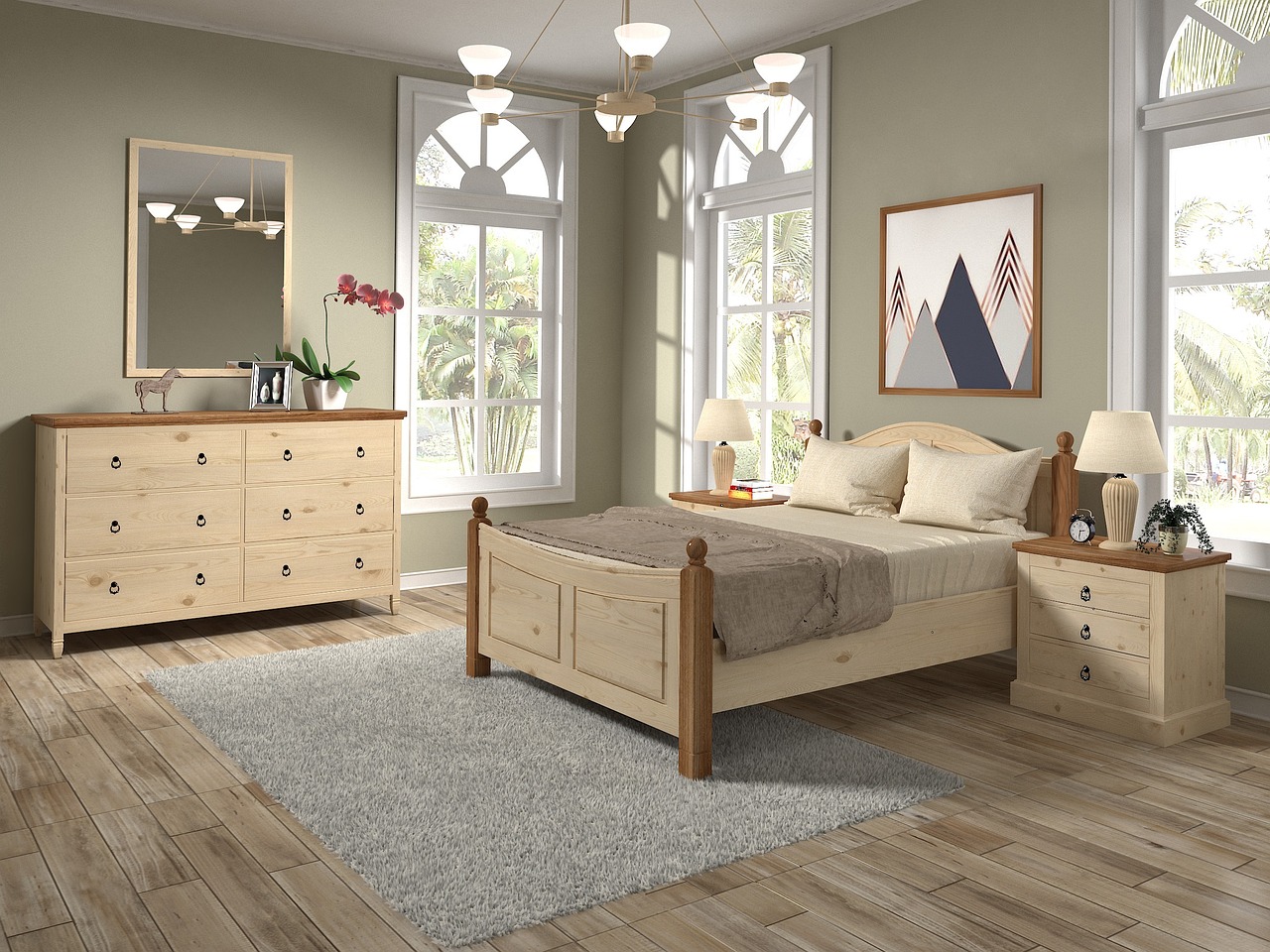
What Makes Beach House Furniture Different From Regular Home Furniture?
A beach house is usually harder on furniture than a home farther inland. Moisture stays in the air, fine sand scratches floors and legs, and sunlight can fade cheap fabric near large windows. So it pays to think about use first, then style.
Salt Air Changes Material Priorities
Salt air is tough on bare metal, weak finishes, and thin hardware. You do not need every piece to look like outdoor furniture, but finishes made for damp spaces are a safer choice.
Powder-coated aluminum, marine-grade stainless hardware, sealed rattan, and dense hardwoods usually perform better than raw steel, soft pine, and low-cost plated metal. This matters most near doors, windows, porches, and guest rooms that stay closed for long periods.
Moisture Affects Wood, Fabric, and Metal
The U.S. Forest Products Laboratory explains in its Wood Handbook that wood exchanges moisture with the surrounding air, and that exchange depends on relative humidity and temperature. Put simply, a coastal sideboard can swell, shrink, or start sticking if the wood and finish are not suited to the room.
This is why kiln-dried frames, sealed surfaces, and stable engineered panels matter in beach homes. They are not exciting details on a product page, but they often decide whether a piece still works well after a few humid seasons.
Easy Cleaning Matters More Than Perfection
A clean white sofa can look great on delivery day, then it meets sunscreen, snacks, wet towels, and a damp dog. Slipcovers, washable cushion covers, textured rugs, and tables with forgiving finishes make normal life much easier.
The point is not to make the room look sterile or overprotected. It is to keep the space looking decent on Sunday night after a full weekend of use.
Which Materials Work Best in a Coastal Living Room?
There is no single public ranking that lists every beach house furniture material from best to worst. Good choices usually come from basic building science, product specifications, maker experience, and how much care the owner is willing to do. In most coastal homes, the safer materials are the ones that resist moisture and clean up without drama.
Teak and Dense Hardwoods
Teak, oak, and other dense hardwoods can work well when they are properly dried and finished. Teak is often chosen because it has natural oils and a tight grain.
For indoor beach furniture, look for smooth sealed tops, lifted bases, and simple joinery. A coffee table with a slightly rounded edge also handles bumps from baskets, toys, and bare feet better than a sharp-edged piece.
Powder-Coated Aluminum and Stainless Hardware
Metal is not a problem near the ocean if the finish is right. Powder-coated aluminum is light, rust resistant, and simple to wipe down.
Stainless hardware is a better choice for hinges, pulls, and exposed bolts than cheap plated hardware. If a dresser has shiny metal pulls that feel thin and hollow, it may not be the best item for a salty entry or guest room.
Performance Fabric With Removable Covers
Performance fabric is useful in beach houses because it handles spills better than delicate linen or untreated cotton. The label still matters, so check whether the fabric is indoor only, outdoor rated, bleach cleanable, or water repellent.
Removable covers are worth paying for on sofas, sectionals, dining chairs, and bench cushions. They turn a bad stain into a laundry job, which is much easier to manage.
How Should You Plan Seating for Sand, Guests, and Real Life?
Beach seating should make people feel welcome right away. Nobody wants to stand in wet sandals and wonder where to sit. At the same time, a packed room gets hot, messy, and harder to clean, so plan around movement and not only around the TV wall.
Conversation Seating With Clear Paths
A practical beach living room often has one main sofa, two lighter lounge chairs, and a flexible ottoman or stool. Keep walkways wide enough for bags, towels, and kids moving in and out.
In a small cottage, chairs with open arms can feel less bulky than a second sofa. In a larger home, two sofas facing each other can work well for family weekends and longer guest stays.
Washable Slipcovered Sofas
Slipcovered sofas are common in coastal homes for a good reason. They soften the room, and they let you wash the visible layer when the house gets busy.
Choose tightly woven fabric and a frame that feels solid when you press on the arm. Very loose slipcovers can look nice in photos, but in daily use they may twist, sag, and collect sand in the seams.
Raised Legs and Open Bases
Raised legs make sweeping easier and help air move around furniture. That matters in coastal homes where sand and dampness tend to settle low.
FEMA has warned that just one inch of floodwater can cause roughly $25,000 in damage to a home, based on its public flood risk materials. That number is a useful reminder to keep valuable upholstered pieces away from the most flood-prone ground-level zones when possible.
What Colors and Textures Keep a Beach House Calm Without Feeling Predictable?
Coastal style does not need seashell prints in every room. Many good palettes come from what is outside the window: dune grass, driftwood, wet stone, pale sky, faded blue, and whitewashed porch floors. Use those references lightly, and the room will feel more natural.
Layered Neutrals
Use warm white, sand, oatmeal, stone, and light taupe as the base. These colors hide light dust better than bright white and feel softer in strong sun.
A chunky woven rug, a linen-look sofa, and a pale oak table can add depth without using much color. It may not sound dramatic on paper, but it usually feels right in the room.
Blue and Green Accents
Blue and green work better as accents than as the main color everywhere. Try navy piping, sea-glass pillows, olive lamps, or blue-gray dining chairs.
A small amount of color can make neutral furniture feel planned. Too much bright turquoise can quickly make a good house feel like a souvenir shop.
Natural Texture in Small Doses
Rattan, cane, jute, rope, and seagrass add warmth, but they need to be used with care. Natural fiber rugs can hold sand and may not like damp rooms.
A woven pendant, cane cabinet fronts, or a rattan side table is often easier to maintain than heavy texture across the whole room. Keep the surfaces smoother where people eat, set drinks, or drop keys. See also: Building Styles.
How Can Dining, Bedroom, and Entry Furniture Handle Coastal Wear?
The living room gets plenty of attention, but dining areas, bedrooms, and entries often take the hardest wear. These spaces collect wet shoes, beach bags, sunscreen, luggage, and late-night food. Choose furniture that can handle that pace without needing constant worry.
Dining Tables That Forgive Spills
A beach house dining table should not make guests nervous. Sealed wood, high-pressure laminate, stone-look composite, or a strong painted finish can all work well.
Avoid fragile veneers in rentals or busy second homes. For chairs, skip delicate upholstery unless the covers come off, and remember that woven seats look good but crumbs in the weave are real.
Bedroom Storage That Lets Air Move
Closed storage can trap stale air in humid rooms. The EPA recommends keeping indoor relative humidity below 60 percent, ideally between 30 and 50 percent, to help limit mold growth.
That guidance supports simple bedroom choices such as raised dressers, breathable baskets, louvered doors, and nightstands that do not sit flat on damp floors. These details help the room dry out faster after humid days.
Entry Pieces Built for Shoes and Towels
The entry needs a bench, hooks, and storage that can take rough use. A painted wood bench with a washable cushion is usually better than a delicate antique.
Add baskets for flip-flops and a tray for keys. If space allows, give damp towels their own hooks instead of letting them end up on dining chairs, because that small habit saves a lot of cleanup.
How Do You Buy Better Without Wasting Money?
Beach furniture can become expensive quickly. A good budget does not put the same money into every item. Spend more where people sit, hands pull, and moisture lands, then save on decorative pieces that are easy to change later.
Check Joinery Before Style
Before you fall for a finish, check the basics. Do drawers glide smoothly, do chairs wobble, does the sofa frame creak, and are screw heads exposed in strange places?
A pretty console with weak joinery will not become stronger because it sits near a nice window. In a beach house, weak construction tends to show up fast.
Ask About Standards and Warranties
For higher-use homes, product standards can help you compare quality. BIFMA states that the ANSI/BIFMA e3-2024 Furniture Sustainability Standard gives measurable criteria for sustainable furniture, including environmental, health, and social performance.
That standard is mainly tied to business and institutional furniture, but it shows why third-party criteria, clear warranties, and tested materials are useful buying signals. For coastal homes, those details are often more useful than a nice showroom photo.
Spend More Where Bodies Sit
The sofa, lounge chairs, dining chairs, mattresses, and outdoor-adjacent stools deserve better construction. Accent tables, lamps, mirrors, and baskets can be simpler.
If the choice is between a better sofa frame and a trendy side table, choose the sofa. After a long beach day, people notice a sagging seat far more than a small accent table.
What Care Routine Keeps Coastal Furniture Fresh?
The right beach house furniture still needs basic care. It does not have to be complicated. A short routine keeps salt, sand, and moisture from turning small issues into costly repairs.
Weekly Sand Removal
Vacuum upholstery seams, shake small rugs, and lift cushions. Sand works like fine sandpaper, especially under chair legs and between fabric fibers.
Add felt glides or nylon floor protectors under furniture, then check them every few months. Once grit gets trapped under a heavy table, wood floors can get marked very quickly.
Seasonal Moisture Checks
Look behind beds, under sofas, inside cabinets, and along exterior walls at least once a season. A musty smell is often the first warning sign.
The EPA links moisture control with mold control, so fix leaks, improve airflow, and use dehumidifiers where needed. A small humidity monitor is inexpensive and often more useful than buying another decorative pillow.
Simple Fabric and Finish Refresh
Follow the care label before using any cleaner. Some performance fabrics allow stronger cleaning methods, while others do not.
Wipe sealed wood with a damp cloth, dry it after, and do not leave wet towels on tabletops. For painted furniture, keep a small touch-up kit in the utility closet, because coastal wear looks fine until it turns into peeling finish.
FAQ
Q1: What Is the Best Material for Beach House Furniture? A: For most homes, sealed hardwood, powder-coated aluminum, stainless hardware, and washable performance fabric are strong choices. The best mix depends on humidity, room use, and whether the house is private, rented, or used by large groups.
Q2: Is White Furniture a Bad Idea in a Beach House? A: White furniture can work if the fabric is washable and the finish is easy to wipe. Warm white or oatmeal often hides dust better than bright white. For busy homes, use white on slipcovered sofas, painted case goods, or washable bedding rather than delicate upholstery.
Q3: Should Beach House Furniture Be Indoor or Outdoor Rated? A: Not every indoor piece must be outdoor rated, but outdoor-rated fabric and corrosion-resistant hardware are helpful near doors, porches, and damp rooms. Mixed materials often work best, with softer indoor comfort and tougher coastal details.
Q4: How Do You Protect Furniture From Humidity? A: Keep air moving, use a dehumidifier when needed, choose raised furniture, and avoid trapping pieces tight against exterior walls. EPA humidity guidance points to a target below 60 percent, ideally 30 to 50 percent, which is a useful range for coastal interiors.
Q5: How Can You Make a Beach House Look Stylish Without Looking Themed? A: Start with simple shapes, layered neutrals, natural texture, and a few blue or green accents. Skip too many shells, anchors, and signs. Let the materials, light, and view carry the coastal feeling.