

Is Green Architecture Taschen Redefining the Future of Sustainable Design
TASCHEN Presents a Visual Journey Through Sustainable Homes That Merge Architectural Beauty With Environmental Purpose
Sustainable architecture has evolved into a defining movement that fuses ecological ethics with aesthetic refinement. The publication Green Architecture TASCHEN captures this transformation through a global lens, showcasing buildings that harmonize environmental performance with design artistry. It reveals how architecture now acts as both a cultural and ecological statement, where material choices, spatial strategies, and visual narratives express a deeper environmental consciousness. This article examines how green architecture matured from an alternative practice into a mainstream philosophy, and how TASCHEN’s editorial vision helped shape this discourse.
The Emergence of Green Architecture as a Design Philosophy
The shift toward sustainability represents not merely a technical correction but a philosophical reorientation in architectural thought. Architects increasingly view their work as part of the planet’s ecological system rather than separate from it.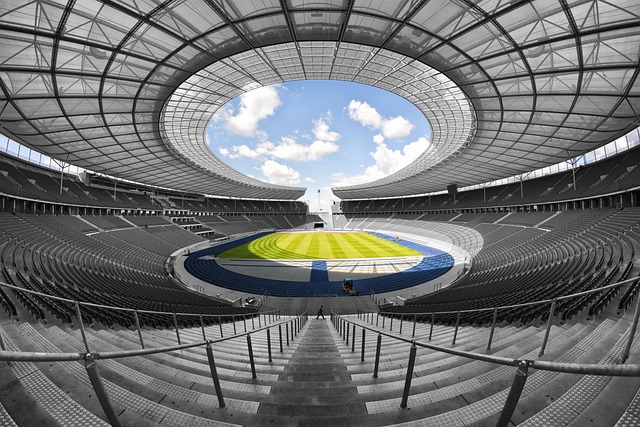
The Shift From Conventional to Sustainable Architectural Practices
Sustainability began as an ethical niche in the late 20th century, often dismissed as experimental or costly. Over time, global frameworks such as the United Nations’ Sustainable Development Goals and the Paris Agreement embedded ecological responsibility into policy and education. Architectural schools now teach carbon literacy alongside structural mechanics. Firms integrate life cycle assessments into early design phases to quantify impact before construction begins. This systemic change reflects how environmental accountability became inseparable from design excellence.
The Integration of Ecological Responsibility in Modern Architectural Theory
Ecological theory reshaped architectural paradigms by emphasizing systems thinking—seeing buildings as dynamic organisms within broader ecosystems. Concepts like cradle-to-cradle design and regenerative architecture emerged, focusing on resource cycles rather than linear consumption. The International Energy Agency (IEA) reports that buildings account for nearly 30% of global energy consumption, underscoring why architects must act as environmental stewards. This awareness drives innovations in passive design and renewable integration across urban contexts.
The Influence of Global Environmental Policies on Architectural Trends
Regulatory frameworks now directly influence architectural decisions. Energy codes, carbon-neutral mandates, and incentives for green certifications push firms toward measurable sustainability metrics. For example, ISO 14001 standards on environmental management systems provide architects with structured methodologies for reducing ecological footprints during project delivery. These policies transformed sustainability from voluntary ethos to professional obligation.
The Role of Aesthetic Innovation in Sustainable Design
As sustainability matured, the challenge shifted from compliance to creativity—how to make eco-conscious buildings beautiful without excess ornamentation or compromise.
Balancing Form, Function, and Environmental Performance
Architects today navigate between expressive form and technical restraint. Projects like Singapore’s Oasia Hotel or Milan’s Bosco Verticale demonstrate how vegetation can become both façade treatment and functional shading device. Such works prove that sustainability need not dilute visual impact; instead, it can define it.
Design Innovation Enhancing Sustainability Without Compromising Beauty
Innovative geometry and material experimentation often yield both efficiency and elegance. Parametric modeling allows façades to respond to solar orientation while maintaining sculptural integrity. Timber high-rises like Mjøstårnet in Norway illustrate how renewable materials can achieve monumental scale without sacrificing grace or safety.
Material Honesty and Contextual Harmony
Material honesty—using materials true to their nature—has returned as a core aesthetic value. Local stone, bamboo, rammed earth, and recycled steel express authenticity while minimizing transport emissions. Context-sensitive design ensures that each building grows naturally from its site rather than imposing alien forms upon it.
TASCHEN’s Contribution to the Discourse on Sustainable Architecture
TASCHEN’s Green Architecture volumes have become essential reading for professionals exploring the intersection of artful design and environmental ethics.
The Vision Behind Green Architecture TASCHEN
The publisher curates projects that embody both visual poetry and ecological intelligence. Each featured work is photographed with an emphasis on light, texture, and spatial rhythm—revealing how sustainable details contribute to overall beauty. Through this editorial approach, TASCHEN elevates sustainable architecture from technical documentation to cultural storytelling.
Visual Storytelling in Eco-Design Communication
Photography plays an interpretive role: it translates complex building systems into emotional narratives accessible to experts and lay audiences alike. By sequencing images alongside concise essays, Green Architecture TASCHEN bridges analytical rigor with sensory experience—a rare balance in architectural publishing.
Shaping Architectural Discourse Through Publication
TASCHEN’s consistent focus on sustainability influences discourse beyond academia by reaching collectors, practitioners, and policymakers. Its publications act as visual manifestos that redefine what progress looks like in built form—less about expansion, more about regeneration.
Curating Global Perspectives on Sustainable Living Spaces
The book’s strength lies in its diversity: it presents sustainability not as a singular style but as many culturally grounded responses to shared planetary challenges.
Diverse Regional Approaches to Sustainability
From Scandinavian timber minimalism to tropical vernacular homes employing cross-ventilation and shading screens, regional specificity drives innovation. Each climate demands unique tactics; each culture contributes distinct wisdom about resource use.
Cultural Adaptation and Local Materials in Featured Projects
Projects featured in Green Architecture TASCHEN highlight how local materials carry social memory while reducing embodied energy. Adobe walls in Mexico or reclaimed wood structures in Japan reveal how tradition aligns naturally with modern ecological goals.
Showcasing Both High-Tech and Vernacular Solutions
By juxtaposing smart façades with hand-crafted dwellings, TASCHEN demonstrates that technology is not the only path forward; sometimes low-tech ingenuity achieves equal resilience at lower cost.
Redefining Sustainability Through Architectural Expression
Modern sustainable design extends beyond efficiency metrics—it shapes human perception of place and responsibility.
Integrating Environmental Purpose With Spatial Experience
Spatial composition can cultivate ecological awareness through sensory cues: filtered daylight reminding occupants of natural cycles or courtyards framing native vegetation within urban density. Passive strategies such as natural ventilation corridors or thermal massing engage occupants physically with climate rather than isolating them from it.
Passive Strategies: Natural Ventilation, Daylight Optimization, Thermal Massing
Designers increasingly rely on passive systems before introducing mechanical aids. Cross-ventilation layouts reduce cooling loads; daylight optimization minimizes artificial lighting demand; thermal mass moderates temperature swings naturally—all contributing to lower operational energy without sacrificing comfort.
Experiential Design Reinforcing Environmental Ethics
When people feel connected to their surroundings through material tactility or changing light patterns, they internalize sustainability not just intellectually but emotionally—a subtle yet powerful educational tool embedded within architecture itself.
Materiality and Life Cycle Thinking in Contemporary Practice
Material selection now extends beyond aesthetics toward full life cycle consideration—from extraction to reuse or biodegradation.
Renewable, Recycled, and Low-Impact Materials
Architects increasingly specify materials certified by environmental product declarations (EPDs) or compliant with ISO 14044 life cycle assessment standards. Recycled aluminum panels or bio-based composites replace carbon-intensive alternatives while maintaining structural performance.
Innovations in Biomaterials, Adaptive Façades, Modular Systems
Emerging biomaterials derived from mycelium or algae promise biodegradable components adaptable across climates. Adaptive façades equipped with sensors adjust porosity based on humidity or sunlight levels; modular systems enable disassembly for future reuse—a circular economy principle gaining traction globally.
Life Cycle Assessment as Core Evaluation Component
Life cycle thinking quantifies environmental cost across manufacturing, operation, maintenance, and end-of-life phases. Integrating these metrics early informs responsible decision-making beyond immediate aesthetics or budget constraints.
The Future Direction of Sustainable Architectural Ideals
As digital tools evolve and cultural priorities shift toward resilience over expansionism, green architecture enters its most technologically sophisticated yet ethically grounded phase.
Emerging Technologies Supporting Green Architecture
Artificial intelligence analyzes climatic data sets to refine building orientation; digital twins simulate long-term performance scenarios before construction begins; IoT-based smart grids synchronize building operations with renewable supply patterns—creating responsive ecosystems rather than static structures.
Smart Systems for Energy Efficiency and Occupant Well-Being
Smart sensors regulate indoor air quality by monitoring CO₂ levels; adaptive lighting mimics circadian rhythms improving health outcomes; predictive maintenance reduces wasteful repairs—all aligning human comfort with resource conservation goals outlined by IEA efficiency roadmaps.
Technology-Driven Design Meeting Ecological Resilience
Technology becomes meaningful when reinforcing resilience—helping cities adapt to floods through floating structures or heat waves via reflective surfaces integrated into urban fabrics. Digital precision thus serves natural adaptation rather than opposing it.
Cultural Narratives Shaping Tomorrow’s Built Environment
Beyond engineering lies storytelling—the way architecture communicates shared values about coexistence with nature defines its lasting relevance.
Communicating Stewardship Through Design Language
Buildings increasingly act as moral symbols: transparent façades suggest accountability; living roofs signal restoration over consumption; public spaces invite participation rather than exclusion—each gesture reinforcing stewardship ideals embedded within contemporary culture.
Intersection Between Social Sustainability, Equity, and Environmental Goals
True sustainability integrates social equity: affordable housing using passive cooling benefits low-income residents while reducing emissions; inclusive planning processes respect indigenous knowledge crucial for ecosystem preservation—bridging social justice with climate action agendas set by UN-Habitat frameworks.
Architecture as Agent for Planetary Regeneration
Future paradigms envision buildings generating more energy than they consume or restoring biodiversity through habitat creation on façades—a shift from “do less harm” toward “actively heal.” In this sense architecture becomes regenerative infrastructure supporting planetary renewal rather than mere shelter provision.
FAQ
Q1: What distinguishes Green Architecture TASCHEN from other architectural publications?
A: It combines high-quality photography with critical commentary that situates each project within broader ecological narratives rather than treating sustainability as trend-driven aesthetics.
Q2: How does green architecture differ from traditional eco-friendly design?
A: Green architecture integrates environmental purpose into every stage—from concept through operation—whereas older eco-designs often added sustainable features after form decisions were made.
Q3: Which materials are currently leading innovation in sustainable construction?
A: Cross-laminated timber (CLT), mycelium-based composites, recycled metals, and bio-concrete are among the most promising due to low embodied carbon profiles and circular reuse potential.
Q4: How do global policies influence sustainable building practices?
A: International agreements like the Paris Accord drive national regulations mandating energy efficiency targets that directly shape architectural codes worldwide.
Q5: What role will technology play in future sustainable homes?
A: Smart sensors, AI-driven modeling tools, and adaptive envelopes will personalize comfort while minimizing energy use—making sustainability both invisible yet deeply integrated into daily life.