
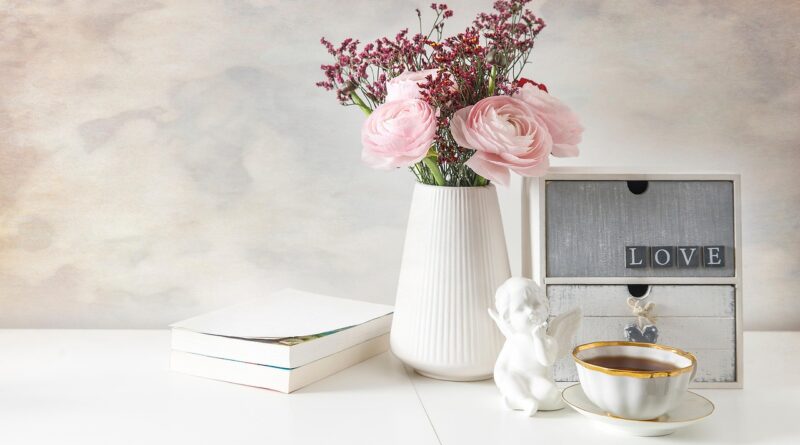
Home love interior ideas for rooms that feel personal and easy to live in
What home love interior means today
A successful home love interior is not a themed look or a fixed shopping list. It is a room-by-room plan that makes daily life easier, calmer and more personal. That usually means aligning layout, comfortable furniture, healthy indoor conditions, flexible storage, warm lighting and meaningful details before choosing a style label.
Recent remodeling and staging research points to the same practical direction: people respond to homes that help them picture real routines, adapt to changing needs and justify investment when budgets are being managed carefully. The goal is not to copy a showroom. The goal is to make each room work better, feel more settled and reflect the people who live there.

For more residential design ideas across rooms and styles, explore the Home & Interior section on Archithaus.
Start with daily rituals before choosing a style
Many interiors fall short because the design process starts with images rather than habits. A room can look attractive in a photo and still feel difficult to use if the sofa blocks circulation, the dining table becomes a drop zone or the bedroom lighting is too bright at night. Before selecting paint, tile or furniture, identify the everyday rituals each room needs to support.
In a living room, those rituals may include conversation, streaming, reading, hosting guests and storing blankets or devices. In a kitchen, they may include weekday breakfasts, school lunches, meal prep, charging devices and informal gathering. In a bedroom, the core functions are rest, dressing, reading and personal storage. Good interior planning gives each of these activities a clear place.
A useful test is to walk through the home at three times of day: morning, late afternoon and evening. Notice where bags collect, where glare appears, where people need a surface and where clutter returns after cleaning. These friction points often say more than trend forecasts because they show what the room is really asking for.
Prioritize the rooms that shape first impressions and routines
Not every room needs the same level of investment. Strong home love interior plans usually begin with the spaces people use most often or see first. The 2025 Profile of Home Staging from the National Association of Realtors reported that 83% of buyers’ agents said staging made it easier for buyers to visualize a property as a future home. The same report found that the living room, primary bedroom and dining room were among the most commonly staged spaces.
Staging data is about selling rather than daily living, so it should not be treated as a direct design rule. Still, it reinforces a useful principle: people understand a home emotionally through rooms that clearly show comfort, purpose and proportion.
| Room | Why it matters | High-impact moves |
|---|---|---|
| Living room | It usually carries the first emotional impression of the home. | Create a conversation layout, add layered lighting, reduce visible cords and use textiles for warmth. |
| Kitchen | It often connects cooking, storage, family routines and informal hosting. | Improve task lighting, organize frequently used zones and choose durable surfaces. |
| Primary bedroom | It affects rest, privacy and the sense of retreat. | Use softer evening light, reduce visual clutter and prioritize comfortable bedding and storage. |
| Entry | It controls the transition between outside life and home life. | Add hooks, a landing surface, shoe storage and lighting that feels welcoming. |
Build comfort into air, moisture and light
Comfort is not only visual. A beautiful room can still feel wrong if it is stuffy, damp, noisy or poorly lit. Public health and building research consistently show that interior conditions matter because people spend much of their time indoors. The U.S. Environmental Protection Agency states that people spend about 90% of their time indoors and identifies source control, ventilation, filtration and air cleaning as key strategies for improving indoor air quality.
Choose materials with indoor air in mind
When renovating or redecorating, prioritize low-odor paints, properly cured finishes, washable textiles and furniture from suppliers that clearly disclose material information. This does not mean every home needs specialized products. It does mean materials should be selected for maintenance and indoor comfort, not appearance alone. Good source control starts with reducing the pollutants, dust traps and moisture-prone materials brought into the room.
Control moisture before it becomes a design problem
The Centers for Disease Control and Prevention advises keeping home humidity as low as practical, no higher than 50% all day, and recommends using exhaust fans in kitchens and bathrooms that vent outdoors. It also advises fixing roof, wall and plumbing leaks so mold does not have moisture to grow. These are building and maintenance decisions, but they directly affect interior design. Bathrooms, basements, laundry areas and kitchens should use finishes, ventilation and layouts that make drying easier.
Layer lighting for daytime energy and evening calm
Lighting should change with the room’s purpose. The WELL Building Standard’s lighting guidance emphasizes visual acuity, glare control and circadian rhythm considerations. In everyday interiors, that translates into practical decisions: maximize useful daylight without harsh glare, add task lighting where people read or cook, and use dimmable warm light in bedrooms and living areas at night. A single ceiling fixture rarely creates a comfortable room by itself.
Use color and materials as a long-term system
Color works best when it is treated as a system rather than a one-time trend. A calm base palette can support stronger accents, art, plants, books and seasonal changes without making the room feel chaotic. That is one reason neutrals remain durable in many residential interiors, while greens and blues continue to appear as nature-linked accent families.
The National Kitchen & Bath Association’s 2026 Kitchen Trends Report, released on September 18, 2025, was based on a survey of 634 industry respondents. It reported that 96% identified neutrals as popular kitchen colors, followed by greens at 86% and blues at 78%. Because this is an industry survey, it should not be read as a universal rule for every homeowner. It is more useful as a sign that many professionals see long-lasting palettes paired with controlled accent color as a practical direction. See also: Building Styles.
For a home love interior, place expensive, hard-to-change items in quieter finishes and use more expressive color on surfaces that can evolve. Cabinets, flooring, countertops and large upholstery pieces should have enough longevity to outlast short-term taste changes. Backsplashes, wallpaper, pillows, art, lamps and smaller chairs can carry more personality because they are easier to update.
Spend where the interior changes daily life
Current remodeling data supports a more selective approach to spending. Houzz reported on April 22, 2026, that more than half of U.S. homeowners, 54%, undertook renovation projects in 2025, while median renovation spend held at $20,000. The same release said planned median spend for 2026 declined to $15,000, suggesting that many homeowners remain active but more measured. The Harvard Joint Center for Housing Studies also reported on July 23, 2026, that remodeling spending growth was expected to continue losing momentum through mid-2027.
These figures do not tell an individual household what to spend. They do show why interior decisions should be prioritized carefully. A room that improves sleep, cooking, storage, accessibility or everyday gathering may be worth more than a purely decorative change in a seldom-used space. The 2025 Remodeling Impact Report from the National Association of Realtors and the National Association of the Remodeling Industry found that projects such as a primary bedroom suite and kitchen upgrade received top Joy Scores, while cost recovery rankings differed. That gap matters: personal satisfaction and resale value are related, but they are not the same thing.
| Budget level | Smart focus | Avoid |
|---|---|---|
| Small refresh | Paint, lighting, textiles, decluttering, hardware and art placement. | Buying random decor before solving storage or layout problems. |
| Mid-range update | Built-in storage, better seating, durable rugs, window treatments and targeted room upgrades. | Replacing finishes that still work while ignoring poor lighting or circulation. |
| Larger renovation | Kitchen function, bathroom ventilation, primary suite comfort, accessibility and long-term material quality. | Over-personalizing permanent elements that may limit future flexibility. |
Layer personality without creating visual clutter
A personal interior does not need to display everything at once. The most livable rooms usually balance memory, texture and open space. Start with one anchor idea for each room: a color family, a material mood, a favorite artwork, a view, a collection or a piece of furniture. Then edit around that anchor so the room feels intentional rather than crowded.
- Repeat materials. Use wood, stone, metal, linen or ceramic in more than one place so the room feels connected.
- Vary texture. Mix smooth, soft, matte and woven surfaces to add depth without relying on many colors.
- Use closed storage. Display meaningful objects, but give everyday clutter a place to disappear.
- Leave breathing room. Empty wall space and open floor area help the eye rest.
- Design for change. Keep seasonal decor, art swaps and textiles flexible so the home can evolve.
This is where a home begins to feel loved rather than merely decorated. The design can express identity while still respecting maintenance, cleaning and future change.
A practical room-by-room checklist
Use this checklist before buying new furniture or starting a renovation. It keeps the design grounded in function while still leaving room for style.
- Living room: Can people talk without shouting across the room? Is there a surface near every seat? Is the TV balanced with art, books or texture?
- Kitchen: Are prep, cooking, cleaning and storage zones clear? Is task lighting strong enough at counters? Are daily tools easy to reach?
- Bedroom: Does the room support darkness, calm and storage? Are work items or laundry visually controlled before sleep?
- Bathroom: Does the room dry quickly? Is ventilation adequate? Are towels, toiletries and cleaning items easy to store?
- Entry: Is there a landing zone for keys, bags, shoes and coats? Does the lighting feel welcoming at night?
- Home office or study area: Is glare controlled? Is the chair comfortable? Are cables and papers managed?
Frequently asked questions
What is home love interior design?
Home love interior design is a practical, personal approach to interiors. It focuses on rooms that feel comfortable, useful and emotionally connected to the people who live there. Instead of following one rigid style, it combines layout, lighting, storage, materials, color and personal details into a home that supports daily routines.
How can I make my home feel more personal without a full remodel?
Start with changes that have high visual and emotional impact but low disruption. Rework furniture placement, improve lighting, repaint one room, add meaningful art, edit clutter, upgrade textiles and create better storage for daily items. A home often feels more personal when the existing room is edited and lit well, not when it is filled with new things.
Which room should I update first?
Begin with the room that affects daily life most. For many homes, that is the living room, kitchen, primary bedroom or entry. If the issue is stress and clutter, start with storage and circulation. If the issue is comfort, start with seating, light and textiles. If the issue is health-related, address moisture, ventilation and material choices before decoration.
How many colors should a comfortable interior use?
There is no fixed number, but many successful rooms use one base palette, one or two supporting colors and a smaller accent. The key is repetition. If a color appears in art, textiles and accessories, it feels intentional. If every item introduces a new color, the room can feel busy even when each piece is attractive.
Does wellness design require expensive smart technology?
No. Smart controls can help, but wellness-oriented interiors often begin with simpler decisions: better ventilation, moisture control, useful daylight, reduced glare, comfortable temperatures, cleanable surfaces and quieter layouts. Technology should support the room’s purpose rather than become the purpose of the design.