
How Can a Tudor Home Interior Feel Timeless Without Looking Dark?
What Defines a Tudor Home Interior Today?
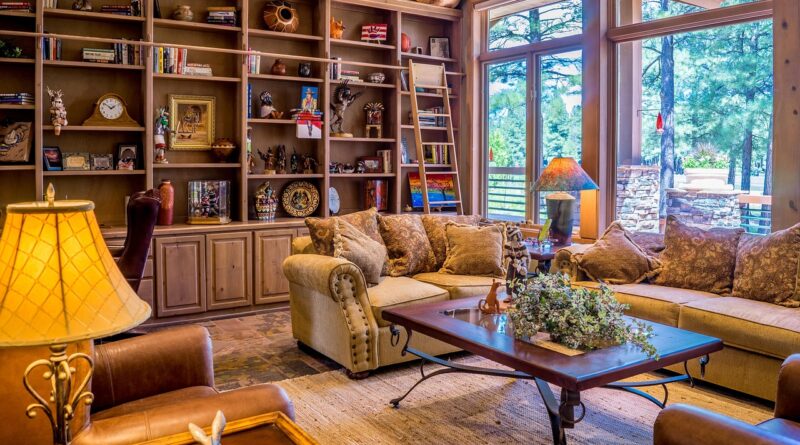
A Tudor home interior should feel warm, protected, and a bit old-house in spirit, but it does not need to feel dark or stiff. In the Home & Interior category, this style suits owners who like history, real texture, and rooms that look as if they were built up over years. The job is not to copy a museum room. It is to use wood, plaster, stone, lighting, and furniture in a way that respects the house and still works for daily life.
Historic Revival Roots
Most Tudor-style homes in the United States are Tudor Revival, not true 16th-century Tudor houses. Cincinnati City Planning’s historic style guide places the main American Tudor Revival period from 1910 to 1940, with steep roofs, intersecting gables, half-timbering, brick, rubble stone, dormers, multi-pane windows, and large decorative chimneys. Those outside details affect the inside as well, since many of these homes have smaller rooms, deeper window openings, heavier trim, and a strong fireplace focus.
Wood, Plaster, and Firelight
Inside the house, the style usually comes from three main parts: visible wood, plain plaster walls, and a fireplace that gives the room its center. You may find ceiling beams, paneled walls, arched openings, built-in bookcases, iron hardware, stone hearths, or leaded glass. A good room does not need all of them. Too many themed details can make the space feel like a set, so choose two or three strong features and leave enough plain wall around them.
Romance Without Costume
One useful point comes from English Heritage, which notes that exposed black-painted timbers were largely a Victorian fashion, not a fixed Tudor-era rule. That makes it easier to move away from the black-and-white cliché. Natural oak, walnut, warm brown stain, limewashed walls, muted green, faded red, and aged brass can all sit well in this setting. A Tudor room should have mood, but it still needs to be easy to live in.
Which Colors Make Tudor Rooms Feel Lighter?
Color is where many Tudor interiors become too heavy. Dark brown trim, dark walls, and dark furniture can make the room feel flat. A better approach is simple contrast. Keep the depth in the architecture, then lighten the surfaces that do not need to carry so much weight.
Warm Whites and Soft Plaster Tones
For walls, start with warm white, chalk, cream, mushroom, pale putty, or a soft limewash effect. These colors work beside dark wood because they look closer to aged plaster than bright gallery paint. Sharp blue-white paint can make old beams look orange and the whole room feel newly staged. In a north-facing living room, a creamy wall color may improve comfort more than adding one more lamp.
Earth Colors With Real Depth
Tudor interiors take earth colors well when they are used with control. Olive, moss, oxblood, tobacco, rust, slate blue, and deep ochre can work on upholstery, a reading chair, drapery, tile, or a small powder room. If the room has a low ceiling, keep the darkest color below eye level through rugs, leather, or wood furniture. That keeps the room grounded without pulling the ceiling down visually.
Contrast That Feels Calm
Use contrast to frame the room, not to make every surface compete. Dark trim around pale plaster gives a clean old-house look. A black iron chandelier can work if the ceiling height can handle it, and a dark green built-in can look settled beside leaded glass. Leave some walls quiet because Tudor style already has a lot of lines from trim, beams, windows, and furniture.
How Should Wood, Beams, and Paneling Be Treated?
Wood is central to the style, but it still needs editing. A Tudor room can handle heavier millwork than many other interiors, yet too much dark wood will take light out of the room quickly. Treat wood as part of the architecture first. Let it support the room before using it as decoration.
Keep Real Wood Visible
If your house has original trim, doors, stair rails, or paneling, check the condition before painting anything. Old wood may have better grain and better proportions than many new materials at a reasonable price. Clean it, repair missing pieces, and test stains in small spots before committing. In many homes, a satin finish looks more natural than a glossy coat, and it also hides the small marks that come with older houses.
Use Beams With Honesty
Decorative beams can help a plain ceiling, but the size has to make sense. Thin strips fixed to drywall usually do not look believable. If you add beams, size them to the room and line them up with lighting, openings, or furniture zones. A small den may only need two or three stained beams, while a larger family room can carry deeper box beams. Avoid fake heavy distressing, because random dents often look more staged than old.
Balance Paneling With Plain Walls
Paneling works best when it has a clear job in the room. Use it around a fireplace, in a library, along a stair hall, or as wainscoting in a dining room. Full-height paneling can look right, but only where the room has enough natural light and ceiling height. If the space is tighter, use lower paneling with plaster above it, so art, sconces, and mirrors have a cleaner background.
How Can Tudor Kitchens and Baths Work for Modern Life?
Kitchens and baths are where the old-house look has to meet daily use. You need storage, outlets, durable surfaces, and lighting that actually works. Very glossy minimalist choices can feel out of place in a Tudor shell. The better updates are simple, useful, and based on solid materials.
Cabinets With Familiar Shapes
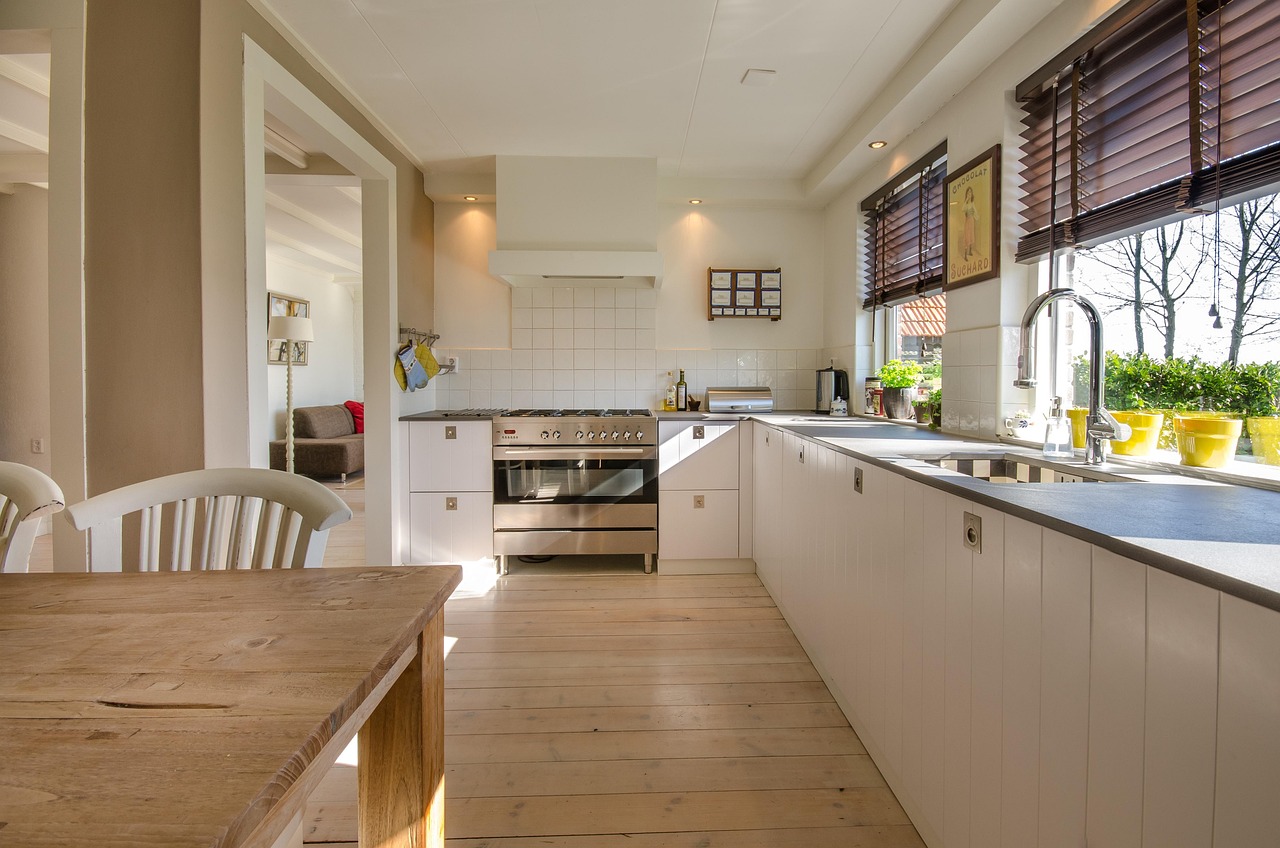
Houzz Research’s 2025 U.S. Kitchen Trends Study found that 85% of renovating homeowners upgrade cabinets, and 72% of those adding or replacing cabinets choose solid wood as the primary material. That fits Tudor interiors well because wood already belongs to the style. Shaker, inset, or simple raised-panel doors usually feel more natural than ultra-flat slab fronts. For color, stained wood, warm white, muted green, or deep blue can work, and wood lower cabinets with lighter uppers can keep the kitchen from feeling too dark.
Tile, Stone, and Practical Floors
Choose materials that can take regular wear. Honed stone, handmade-look ceramic tile, brick-look tile, soapstone, butcher block accents, and warm quartz with soft veining can all sit comfortably in a Tudor kitchen. Houzz’s 2025 study also reported that wood tones were the leading flooring color choice in kitchen renovations at 46%, even when the actual material varied. That is helpful because you can use engineered wood, hardwood, or resilient flooring with a wood look if moisture and upkeep are concerns.
Bathrooms With Quiet Character
A Tudor bathroom does not need a castle theme. A furniture-style vanity, unlacquered brass or aged bronze hardware, creamy wall tile, a stone-look floor, and a mirror with a soft arch are usually enough. Keep the shower glass simple so the room does not become too busy. If you use pattern, put it on the floor or in a small niche. One handmade tile wall with slight variation can feel more natural than many decorative motifs fighting for attention. See also: Building Styles.
What Furniture and Lighting Fit a Tudor Interior?
Furniture should work with the architecture, not fight against it. Tudor rooms already have visual weight from beams, trim, fireplaces, and smaller windows. Add comfort, rounded forms, and fabric to make the room feel lived in. The goal is not a period drama set.
Upholstery With Soft Edges
Choose sofas and chairs with rounded arms, turned legs, tight backs, or loose cushions in hard-wearing fabrics. Linen blends, velvet, wool, leather, and textured cotton all fit the style. A deep sofa in olive or warm taupe can soften a dark-paneled room. In a smaller room, avoid oversized rolled arms that block the walking path. A compact English-arm sofa often works better than a large sectional, though a family room may still need the sectional for real use.
Tables, Rugs, and Collected Pieces
Wood tables, carved stools, woven baskets, old books, framed landscapes, and ceramic lamps help build the collected feeling that Tudor interiors often need. Rugs are important because many older rooms have hard floors and can sound hollow. Persian-style patterns, small-scale geometrics, and heathered wool are all good options. You do not need a room full of antiques. A vintage side table next to a newer sofa often feels more natural than a complete matching set.
Layered Light Instead of One Fixture
Older Tudor rooms can be dim, especially when the house has deep eaves and divided-light windows. Use three layers of light: ceiling light, wall or picture lights, and low lamps. Iron, bronze, aged brass, parchment shades, alabaster glass, and warm LED bulbs suit the style. Keep color temperature warm, usually around 2700K. If a ceiling beam sits where the main fixture should go, use two smaller fixtures instead of forcing one chandelier into an awkward spot.
How Do You Renovate Without Losing Character?
Renovating a Tudor home takes time and a clear order of work. Many Tudor Revival houses are now close to a century old, so design choices often run into repair issues. Good finishes will not solve bad wiring, roof leaks, or cracked plaster that needs proper repair. Handle the building first, then make the rooms look better.
Survey Original Details First
Before changing finishes, list the original or character-defining parts: doors, trim profiles, stair parts, fireplace surrounds, hardware, windows, plaster texture, and built-ins. Photograph everything before work starts. If you remove a cabinet or wall panel, save a sample because matching old profiles later can cost more than expected. This simple step helps you avoid stripping out charm and then paying to put it back.
Plan for Old-House Costs
The U.S. Census Bureau reported in October 2023, using the 2021 American Housing Survey, that older homes built before 1950 made up about 17% of owned homes. Owners of those older homes spent a median of $1,800 per year on upkeep, while new owners of older homes spent a median of $3,900 per year. That data is not Tudor-specific, but it is still a useful warning. Keep part of the budget for repairs that will not appear on a mood board.
Use Broad Data Carefully
The National Association of Realtors and the National Association of the Remodeling Industry reported in 2025 that Americans spent an estimated $603 billion on home remodeling in 2024. Their report gave top Joy Scores of 10 to projects such as a kitchen upgrade, a new primary bedroom suite, and new roofing. It did not publish Tudor-specific resale data, and reliable public data for Tudor interior resale choices is hard to verify. The practical move is to protect the architecture, improve daily comfort, and stay away from trend-heavy choices that may date faster than the house.
FAQ
Q1: What Is the Best First Step for a Tudor Home Interior? A: Start with the fixed features. Check the fireplace, trim, ceiling height, windows, and floor color before buying furniture or paint. The room will usually show whether it needs lighter walls, better lamps, or less visual weight.
Q2: Can a Tudor Interior Have White Walls? A: Yes. Warm white, cream, chalk, and soft plaster tones work well. Keep the finish soft rather than stark, and pair pale walls with wood trim, textured rugs, and warm lighting so the room does not feel empty.
Q3: Should You Paint Dark Tudor Wood Trim? A: Not always. If the wood is original and in good condition, clean and repair it first. Paint can help damaged or poor-quality later trim, but original millwork often carries much of the house’s value and character.
Q4: What Kitchen Style Works Best in a Tudor House? A: Simple traditional cabinets, wood tones, stone or stone-look counters, handmade-look tile, and aged metal hardware usually fit best. Keep appliances clean-lined and let the surrounding materials carry the Tudor mood.
Q5: How Do You Make a Tudor Room Feel Less Dark? A: Use warm pale walls, layered lighting, lighter rugs, mirrors near windows, and some medium-tone wood. Keep the strongest dark details on trim, beams, doors, or one built-in feature instead of spreading them across every surface.