
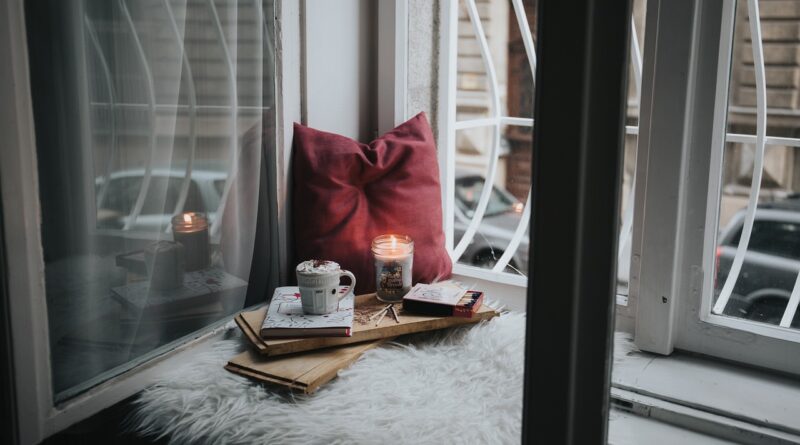
How Can Home Interior Candles Make Any Room Feel More Expensive?
Home interior candles do more than add a pleasant smell. Used in the right place, they soften hard finishes, give a table a better frame, warm up an open shelf, and make a normal evening feel more finished. If you are updating a room, the Home & Interior section is a good place to match candle styling with furniture, color, and lighting ideas.
The best result usually comes when candles are treated as small design pieces, not as something added at the end. A candle has size, color, finish, scent, flame movement, and safety needs. That may sound like a lot for a small item, but it explains why candles change a room so fast. One low flame on a stone tray can make a plain console look planned. Three candles placed too close to paper napkins can make the same room feel careless.
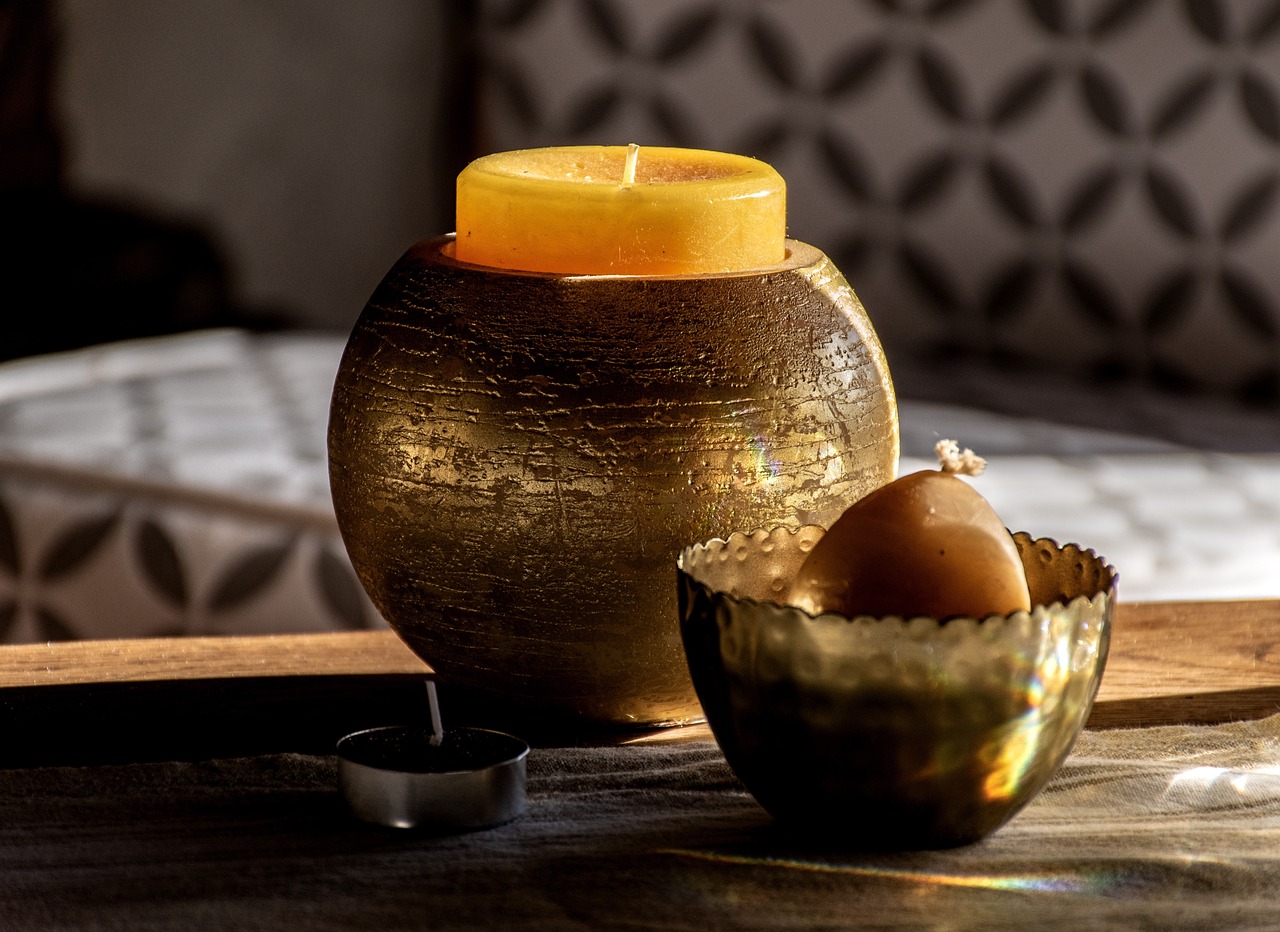
Why Do Home Interior Candles Change a Room So Quickly?
Candles work on a room through light, scent, and visual rhythm at the same time. That mix is not common. A vase gives shape, a lamp gives light, and a diffuser gives scent, but a candle can do part of all three in one small object.
Soft Light That Flatters Materials
Candlelight sits low and warm, so it catches edges that ceiling lights often miss. It shows the veining in marble, the grain in oak, the weave in linen, and small shadows on plaster walls.
This is why a candle on a coffee table often looks better beside a book stack, ceramic bowl, or woven tray. The flame gives those materials a small amount of movement, which makes the setting feel less flat.
Scent as a Design Layer
Scent changes how a room feels before anyone looks closely at the furniture. The National Candle Association reports that fragrance is a major purchase factor for candle buyers, and that nine out of ten candle users say candles make a room feel comfortable or cozy.
For interiors, that is a useful point. If a room already looks good but still feels plain, scent may be the layer that is missing.
Small Objects With Visual Weight
A candle often has more presence than its size suggests. A matte black jar can anchor a pale shelf, while a ribbed glass vessel can pick up the line of fluted cabinet fronts.
A slim taper can add height to a dinner table without getting in the way of faces. It is a small item, but it still shows, and that is why placement matters.
Which Candle Types Fit Each Interior Style Best?
The right candle should look right in the room before it is lit. Start with the room style, then choose the vessel, shape, and color. You do not need a new candle for every design trend, but there should be a clear reason for the choice.
Minimalist Rooms Need Quiet Shapes
For minimalist interiors, simple cylinders, clear glass, soft white ceramic, or stone-colored vessels usually work best. If the candle will stay out in the open, avoid busy labels.
A fragrance with cotton, tea, fig leaf, or light woods often fits this style better than heavy vanilla or strong fruit. The candle should help the room stay calm, not pull attention away from it.
Traditional Rooms Suit Warmer Finishes
Traditional rooms can handle brass holders, beeswax tapers, amber glass, and deeper scents such as sandalwood, clove, or smoked tea. These finishes sit well with framed art, wood furniture, and layered fabrics.
On a mantel, two matching candlesticks can frame art or a mirror. On a sideboard, one large jar may look more natural than five small candles spread around with no plan.
Modern Rustic Spaces Welcome Texture
Modern rustic rooms look good with rough ceramic, recycled glass, wood lids, stone trays, and earthy wax tones. Cedar, sage, vetiver, or warm resin notes usually fit this kind of space.
Place the candle near simple materials, such as a clay vase, a chunky knit throw, or a reclaimed wood bench. The setup does not need to look polished to feel well chosen.
Where Should You Place Candles for Style and Safety?
Placement is where style and safety have to work together. A candle should make the room better, not leave a quiet risk in the background. Public fire guidance is clear on this: a burning candle is an open flame, even when the flame looks steady.
Coffee Tables With Clear Space
A coffee table is one of the easiest places to use a candle because the flame sits near eye level when people are seated. A tray can group the candle with books or a low bowl, but there still needs to be clear space around the flame.
The National Candle Association advises keeping candles at least 12 inches away from curtains, bedding, books, and other flammable items. It is a basic rule, but it keeps the styling from turning into a hazard.
Dining Tables With Low Profiles
For dining tables, low votives or slim tapers usually work better than large scented jars. Strong fragrance can fight with food, especially with seafood, herbs, wine, or baked dishes.
Unscented candles are often the safer style choice for dinner. Keep the height below the eye line, so guests can talk without leaning around the centerpiece.
Bathrooms With Ventilation and Care
Bathrooms suit candles because tile, glass, and chrome can feel cold. Even so, this is one of the rooms where placement needs extra care.
Put candles on a stable surface away from towels, tissue, shower curtains, hair products, and open windows. If the bathroom is small, burn the candle for a short time and use ventilation. A tiny powder room does not need a large three-wick candle to make the space feel better.
How Can You Match Scent to Real Rooms?
Scent matching works best when it follows the room’s daily use. A fragrance that feels right in a bedroom may feel too slow in an entry. A bright citrus candle can be useful near the kitchen after lunch, but it may feel out of place beside a velvet sofa at night.
Fresh Notes for Entries and Kitchens
Entries and kitchens often work well with clean, quick notes: citrus peel, mint, basil, green tea, tomato leaf, or light herbs. These scents give a clear first impression without making the room feel heavy.
In kitchens, be careful with sugary bakery scents if the space already has food smells. Too much sweetness can feel sticky, even when the room is clean.
Soft Notes for Bedrooms
Bedrooms need a lighter hand. Lavender, chamomile, soft musk, rice milk, cashmere woods, or powdery iris can work well when the scent is not too strong.
Keep the candle away from bedding and never burn it when you feel sleepy. The U.S. Fire Administration, citing NFPA data, states that an average of 20 home candle fires are reported each day. That number is a plain reminder that bedtime candle habits need firm limits.
Grounded Notes for Living Rooms
Living rooms can take richer scents because they are usually larger and used by more people. Amber, cedar, leather, fig, tobacco leaf, and smoky woods pair well with textured rugs, bookshelves, and upholstered seating.
If guests visit often, keep one milder candle ready. Not everyone wants the room to smell like a cabin fireplace, even if that scent feels right in December. See also: Building Styles.
What Do Public Safety and Air Quality Sources Say?
Good candle styling should also consider real use at home. The point is not to make candles sound risky. They just need the same care you would give a fireplace, cooktop, or task lamp placed near fabric.
NFPA Candle Fire Numbers
The National Fire Protection Association’s home candle fire research for 2014 to 2018 found that three of every five candle fires started when something that could burn was too close to the candle. That is directly tied to interior placement.
The same report noted that candles left unattended or abandoned were involved in 16 percent of those fires. For design work, the lesson is simple: a good-looking candle still needs a buffer zone.
EPA Indoor Air Caution
The U.S. Environmental Protection Agency notes that volatile organic compounds can be emitted by many household products. It also says levels of several organic pollutants may average two to five times higher indoors than outdoors.
This is not only a candle issue, and public data does not support ranking every candle wax as healthy or unhealthy for every home. A practical approach is to ventilate, avoid over-burning, and choose well-labeled products from credible makers.
NCA Care Rules for Cleaner Burns
The National Candle Association recommends trimming the wick to one-quarter inch before each use, burning in well-ventilated rooms, stopping when one-half inch of wax remains, and keeping multiple candles at least three inches apart. These are small habits, but they make a visible difference.
They help control flame height, soot, and uneven melting. They also keep the candle looking better after the first burn, which matters when it sits on an open shelf.
How Do Candles Work With Modern Lighting?
Candles should not replace proper lighting. They work better as the last layer. Many modern homes already use efficient lamps, recessed lights, pendants, and smart controls. Candles add the low, warm layer that electric light does not always copy well.
LED Light as the Main Layer
The U.S. Energy Information Administration reported from its 2024 Residential Energy Consumption Survey that 90 percent of U.S. households used LED bulbs, and 37 percent used LEDs for all indoor lighting. This shift matters for interiors because many homes now have bright, efficient light.
That light is useful, but it can sometimes feel cool or flat. Dimmers and warm color temperatures help, while candles add a softer edge in the places people notice most.
Candles as the Accent Layer
Use candles where electric lights feel too direct: a bathroom niche, a mantel, a console under art, or a dining table after the plates are cleared. They work like small accent marks in the room.
One candle near a lamp can make the lamp feel warmer. Two tapers beside a mirror can double the glow, but adding more candles is not always the better answer.
Warmer Scenes for Evenings
Evening rooms usually feel better with lower contrast. Turn off harsh ceiling lights, dim table lamps, and add one or two candles where people naturally gather.
A living room with a shaded lamp, a low candle, and a warm throw will often feel more expensive than the same room with every recessed light at full power. The change is small, but it is easy to see.
What Buying Checklist Helps You Choose Better Candles?
Shopping is easier when candles are judged as interior products, not just impulse gifts. Look at the form, label, burn behavior, and the room where the candle will stay. A scent that smells good in a store may not suit your actual space.
Stable Vessels and Clear Labels
Choose vessels that sit flat and feel stable. Glass should look thick enough for heat, ceramic should be well finished, and metal tins should not wobble.
The Consumer Product Safety Commission lists ASTM candle-related standards covering safety labeling, glass containers, visible emissions, candle fire safety, and candle accessories. For buyers, labels and basic product information are part of the product, not small extras.
Wax, Wick, and Burn Time
Soy, paraffin, coconut, beeswax, and blended waxes can all appear in quality candles. Instead of relying on broad claims, check the wick behavior, scent strength, and maker instructions.
A properly sized wick should not make a tall, jumpy flame. Many candle care guides suggest avoiding burns longer than about four hours per sitting, and that is a workable limit for most homes.
A Simple Room-by-Room Plan
For an entry, buy one fresh candle in a discreet vessel. For the living room, choose a larger candle with a warm scent and a container that matches your metals or ceramics.
For the bedroom, keep it mild and never make it part of a sleep routine. For the bath, go small. For dining, keep unscented tapers or votives on hand. This plan is not complicated, but it works in real homes.
FAQ
Q1: Are Home Interior Candles Safe to Use Every Day? A: Yes, if you burn them within sight, keep them away from anything flammable, trim the wick, use stable holders, and stop before the wax runs too low.
Q2: What Candle Scent Is Best for a Living Room? A: Warm woods, amber, fig, tea, and soft spice usually work well because they feel inviting without smelling too sharp or too sweet.
Q3: Should Dining Table Candles Be Scented? A: Usually no. Unscented tapers or votives are better because they add atmosphere without competing with the food and drinks.
Q4: How Many Candles Should You Put in One Room? A: One large candle or a group of two to three small candles is enough for most rooms. Leave space between them and avoid clutter around the flame.
Q5: What Is the Easiest Way to Make Candles Look More Designed? A: Put the candle on a tray with one or two related objects, such as a book, small bowl, or vase. Match the vessel to the room’s materials for a cleaner look.