
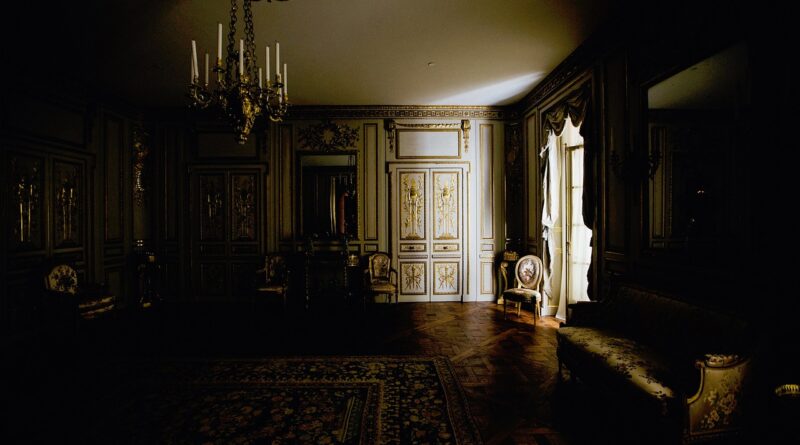
Is a Black Home Interior the Boldest Way to Make Your Home Feel Expensive?
Why Does a Black Home Interior Feel So Powerful?
A black home interior gets noticed because it gives a room a clear design direction. It can make plain drywall look more structured, help basic furniture feel more pulled together, and give the home a quiet high-end look without using busy patterns. If you want more design direction for residential spaces, the Home & Interior section is a useful place to continue browsing after this guide.
Contrast That Frames Architecture
Black works like a frame around the parts of a room that matter. Around windows, stair rails, fireplaces, built-ins, or ceiling beams, it tells the eye where to stop and look. In a white room, those details can fade into the background, but in a black or charcoal room, they often look cleaner and better defined. This is why black trim, black doors, and black metal stair details are seen so often in modern homes. You do not need a large house to get the same result. A narrow hallway with black doors and warm bulbs can feel more planned after a weekend of work.
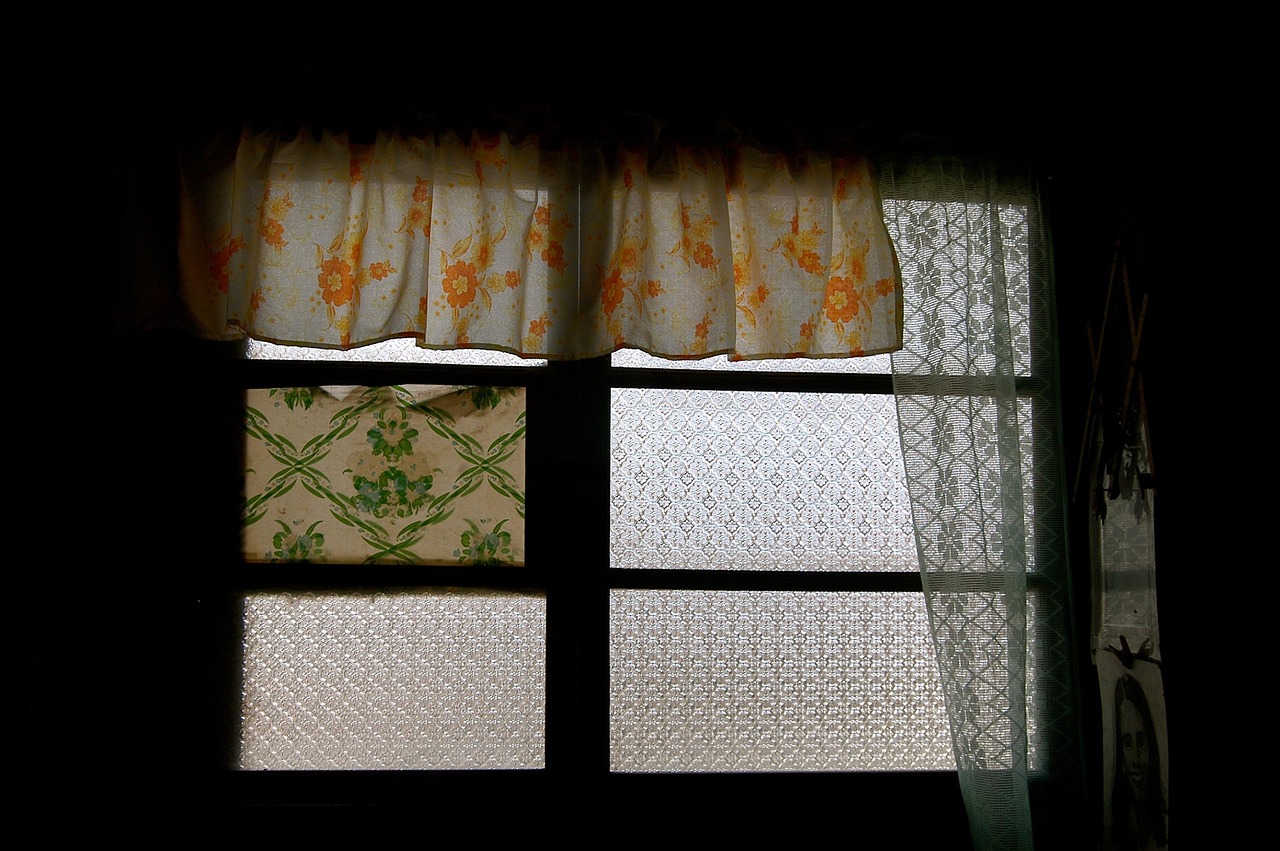
Depth That Makes Simple Rooms Look Finished
Black adds depth to rooms that might otherwise look flat. A soft black wall can make a sofa, lamp, or pale oak table feel placed and layered instead of looking like separate pieces. The main point is not to use dead black on every surface. Try charcoal, soot, ink, espresso, or black with a green, brown, or blue base. These small undertones change the whole feeling of the room. A black wall beside walnut flooring feels warmer, while black beside polished concrete looks sharper and more gallery-like.
Color Data That Supports Darker Choices
Dark interiors are not only a social media idea. Zillow’s 2026 Paint Color Analysis reported that charcoal gray kitchens could raise a buyer’s offer by about $1,373, while chocolate brown bedrooms could add about $2,277. That does not mean every home should be painted dark before going on the market. Local taste, room condition, daylight, and finish quality still matter. The data does show that deeper colors can work for buyers when the room feels clean, current, and easy to use. Source: Zillow Paint Color Analysis, 2026.
How Can You Use Black Without Making Rooms Feel Small?
The usual worry is clear: black will make the room look smaller. There is no solid public dataset showing that black walls reduce perceived room size by a fixed percentage, so it should not be treated as a strict design rule. Placement, sheen, lighting, and the space left around furniture usually have more impact.
Start With One Dominant Surface
If you are not sure about using black, start with one large surface. Paint the fireplace wall, kitchen island, lower cabinets, closet doors, or the wall behind the bed. One planned black area gives the room more character without taking over the whole space. In apartments or townhomes, this is often the safer choice because daylight may only enter from one side. A single black wall also helps you check the color in morning light, afternoon shade, and evening lamp light. That small test can save a lot of repainting later.
Keep Sightlines Light and Clear
Black feels heavier when too many things are packed into the room. Keep the view open by choosing furniture with legs, glass, cane, or slim metal frames. A black living room can still feel open if the sofa sits off the floor, the curtains hang high, and the rug brings in enough pale tone. Leave some empty wall and floor space as well. Not every wall needs art, and not every corner needs a plant. That bit of control keeps a dark room from feeling like a themed restaurant.
Use Texture Before More Color
When a black room looks flat, many homeowners try to fix it by adding another color. In most cases, texture is the better first move. Limewash, fluted wood, boucle, linen, ribbed glass, honed stone, or a hand-knotted rug can all break up the surface without making the palette messy. Texture catches light in small ways, so the room feels different through the day. Public trend reports rarely put a resale figure on texture, so this should be read as practical design advice rather than hard market data.
Which Rooms Work Best With Black Interior Design?
Black can work in many parts of the home, but the right room depends on daily use. A living room used for films, a kitchen with good task lighting, or a powder bath for guests can handle more contrast than a small utility room where you fold laundry early in the morning. Be honest about how the room is used before choosing how much black to add.
Living Rooms With Soft Black Walls
Living rooms usually handle black well because they already have seating, lamps, art, and textiles. A soft black wall behind a cream sofa can feel calm rather than harsh. Wood, aged brass, warm leather, and woven materials help stop the room from feeling cold. The National Association of Realtors 2022 Remodeling Impact Report gave painting an entire home and painting one room a Joy Score of 10. That suggests many homeowners feel a clear lift after a fresh paint project. Source: National Association of Realtors Remodeling Impact Report, 2022.
Kitchens With Charcoal or Black Details
Kitchens are a natural place for black because cabinets, counters, hardware, and appliances already create clear lines. Charcoal or black details can make those lines look more finished without changing the whole layout. The Houzz 2025 U.S. Kitchen Trends Study reported that 8% of renovating homeowners chose black countertops, ahead of gray at 7% and beige at 5%, while white and off-white remained the larger share. That gives a useful market picture. Black is not the main choice, but it is common enough to feel accepted. Source: Houzz Research, 2025 U.S. Kitchen Trends Study.
Bathrooms With Matte Fixtures and Stone
Bathrooms work well with small amounts of black. Matte black faucets, mirror frames, shower screens, or tile edges give clear contrast against white porcelain and stone. For a stronger look, black zellige tile, black terrazzo, or a dark vanity can work well in a powder room or main bath. The practical issue is hard water. Black fixtures can show mineral marks faster than brushed nickel or chrome, so they need regular wiping. It is not the exciting part of the design, but it matters in daily use.
What Materials Make a Black Interior Look Warm?
Black is easier to live with when it is paired with real, familiar materials. Black paint, black plastic furniture, and cold white bulbs can feel harsh. Black paint with oak floors, linen curtains, stone, and soft light feels much more settled. The color stays the same, but the materials around it change the whole result.
Wood Grain for Natural Relief
Wood is one of the easiest materials to use with black. White oak softens the look, walnut makes it deeper, and pine gives it a more relaxed feel. If the home already has wood floors, let some of that grain stay visible instead of covering it with dark rugs. In kitchens, black lower cabinets with wood uppers often feel lighter than a full wall of black cabinetry. In bedrooms, a wood bed frame breaks up dark walls and makes the space feel more comfortable.
Stone and Tile With Real Movement
Black stone can look costly, but the movement in the surface is what makes it work. Honed marble with white veining, soapstone, slate, and dark terrazzo give variation that flat laminate cannot really copy. For tighter budgets, black tile can be used in smaller areas such as a shower niche, a backsplash strip, or the floor of a powder room. Large slabs usually look cleaner. Smaller tile can still look good when grout lines are neat and the layout is planned before installation.
Fabric, Leather, and Rug Layers
Soft materials decide whether a black room feels comfortable or stiff. A charcoal wall with a cream wool rug, tan leather chair, and heavy linen curtains feels lived-in and calm. A black room with shiny synthetic fabric may feel harder and less welcoming. Mix matte and soft surfaces where people touch the room most, such as the sofa, bedding, curtains, and rugs. No reliable public report proves that one fabric mix raises home value, so these choices should be made for comfort, sound control, and daily use. See also: Building Styles.
How Should Lighting Be Planned for Black Rooms?
Black absorbs more light than pale colors, so lighting should be planned before the paint goes on the wall. Do not wait until the room is finished to find out that one ceiling fixture is not enough. A good black interior needs light at different heights, warm color, and fixtures that let dark surfaces show their shape.
Layered Light at Three Heights
Use ceiling lights for general brightness, wall lights or picture lights for vertical surfaces, and table or floor lamps for comfort. This three-height setup helps black walls show texture and depth. In a living room, a lamp near the sofa, a sconce near art, and dimmable overhead lighting can cover both quiet nights and larger gatherings. In a kitchen, recessed lights, under-cabinet strips, and pendants usually work better together than one strong light in the middle. The room will feel more flexible and less like a cave.
Warm Color Temperature for Evening Comfort
Warm white bulbs, often around 2700K to 3000K, usually suit black interiors better than cool blue-white light. Cool light can make black paint look chalky or too hard. Warm light brings out brown, green, or blue undertones and helps skin tones look better in mirrors. Test bulbs with the actual paint sample before buying all the fixtures. Paint chips in a store aisle are useful, but they do not show what will happen in a north-facing dining room.
Efficient LEDs for Daily Use
Because black rooms often need more layered light, efficient fixtures are worth using. The U.S. Department of Energy states that LED lighting uses at least 75% less energy and can last up to 25 times longer than incandescent lighting. That makes LEDs a practical match for dark interiors where lamps may stay on for longer evening hours. It also helps when one room needs several light sources instead of a single ceiling fixture. Source: U.S. Department of Energy LED lighting guidance, accessed July 2026.
What Mistakes Make Black Interiors Look Flat?
Most black interiors do not fail because black is the wrong color. They fail because every surface has the same finish, the paint was not tested, or the room was rushed. Black is less forgiving than beige. It shows dust, roller marks, weak lighting, and poor prep faster than many people expect.
Too Much Gloss in the Wrong Place
Glossy black can look good on a front door, lacquered cabinet, or small accent table. On rough drywall, it can show every bump and patch. For walls, many homes look better with matte, eggshell, or low-sheen finishes, depending on traffic and how often the wall needs cleaning. Use gloss where it has a clear job. Do not choose it only because it looks bold on a small sample card.
Weak Samples Under Real Light
Never choose black paint from a screen alone. Paint a large sample board, move it around the room, and check it at breakfast, midday, and night. A black with blue undertones can look clean in a sunny room and cold in a shaded one. A brown-black may feel rich near wood floors but muddy beside gray tile. Sampling takes a little time, but repainting a whole room takes more time and costs more money.
Poor Air Choices During Painting
Paint projects should also take indoor air into account. The U.S. Environmental Protection Agency says concentrations of many volatile organic compounds can be up to 10 times higher indoors than outdoors, and paints, varnishes, and related products can be VOC sources. Choose low-VOC or zero-VOC products when they fit the project, and keep the space ventilated during and after painting. Always follow the label, especially in bedrooms, nurseries, and rooms with limited airflow. Source: U.S. EPA guidance on Volatile Organic Compounds and Indoor Air Quality, accessed July 2026.
FAQ
Q1: Is a Black Home Interior Good for Small Homes? A: Yes, if you use black in planned zones and support it with good lighting, open sightlines, and warm materials. Start with doors, trim, a feature wall, or lower cabinets before painting every wall.
Q2: What Color Goes Best With Black Interiors? A: Warm white, cream, oak, walnut, camel leather, brass, stone gray, and muted green all work well. The safest mix is black plus one warm neutral and one natural texture.
Q3: Should Black Walls Be Matte or Glossy? A: Matte or low-sheen finishes usually look better on large walls because they hide small flaws. Gloss works best on trim, doors, cabinets, and selected furniture.
Q4: Do Black Kitchens Hurt Resale Value? A: Not automatically. Public data from Zillow and Houzz shows that darker kitchen choices can perform well when the design feels balanced. Condition, layout, local market, and workmanship still matter more than color alone.
Q5: How Do You Stop a Black Room From Feeling Cold? A: Add wood, warm bulbs, soft rugs, linen curtains, art, plants, and mixed textures. Avoid using only black, white, chrome, and glossy surfaces unless you want a very sharp gallery mood.