
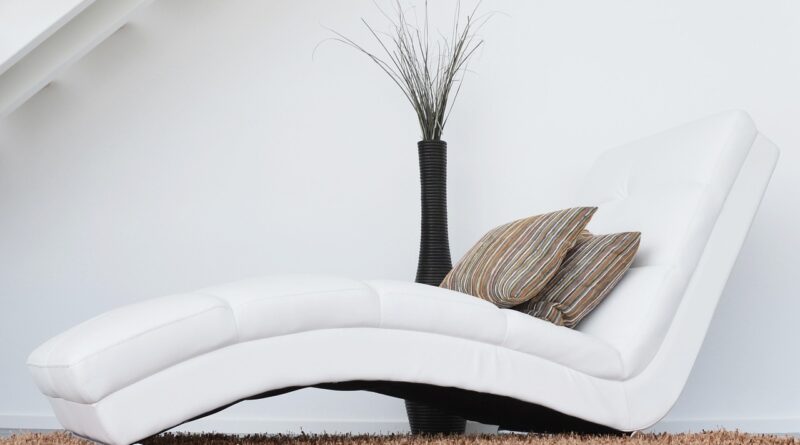
Is Modern Style Interior Still the Best Choice for a Timeless Home?
What Makes Modern Style Interior Feel Timeless?
A modern style interior should feel calm, useful, and personal, not cold or staged. The better rooms usually have clean lines, proper storage, daylight, and a few pieces that feel right when you come home with groceries or take your shoes off at the door. For more ideas across the home, you can browse the Home & Interior section. The design goal is simple: give every room a clear job, then make that room comfortable for normal daily use.
Clean Lines Set the Visual Base
Modern interiors start with simple forms. Flat cabinet fronts, slim metal legs, plain trim, and furniture with quiet shapes usually work better than pieces that compete with the room.
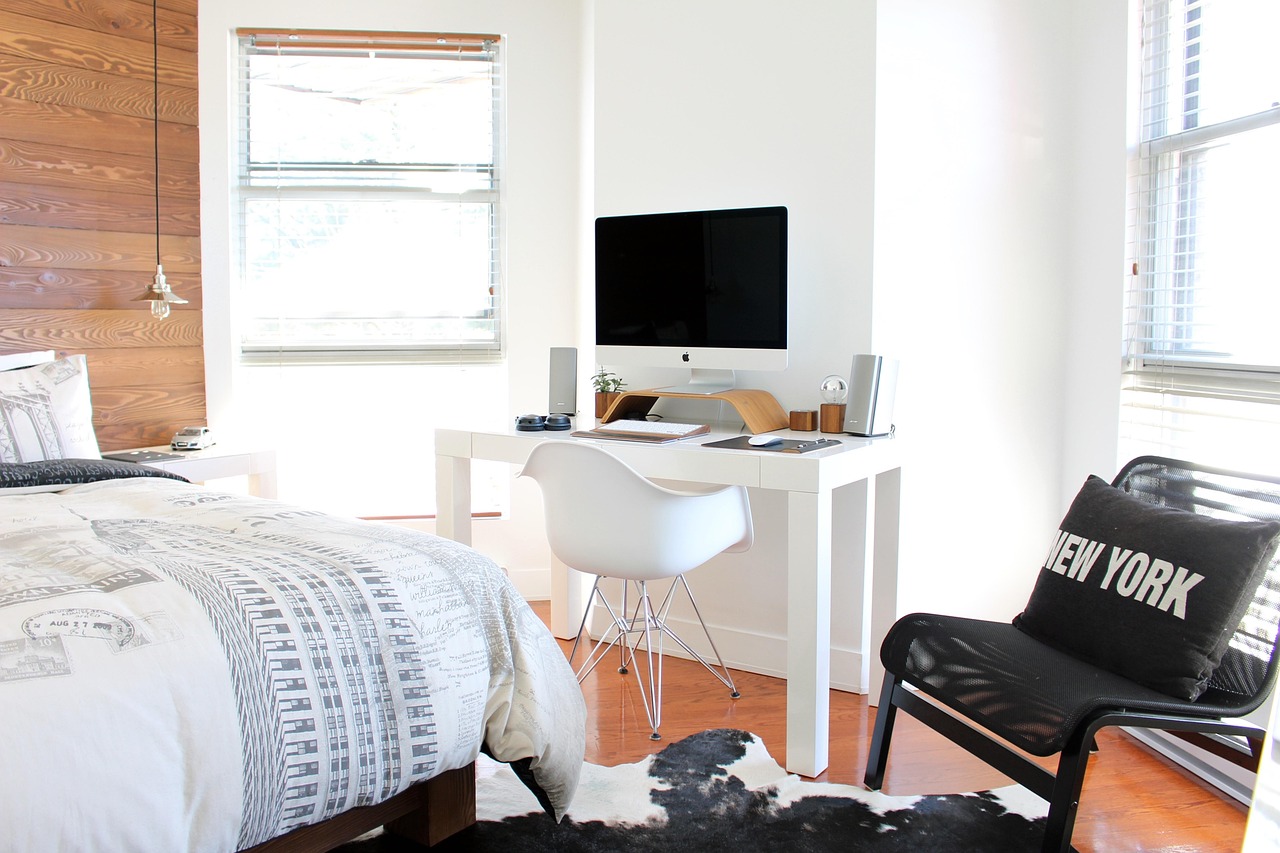
This does not mean every wall has to be white or every chair has to look like it came from a showroom. It means the main shapes stay plain, so art, plants, books, and texture can bring in the character.
Open Space Makes Daily Life Easier
A modern room works when people can move through it without thinking too much. Leave about 30 to 36 inches for main walkways where possible, especially between a sofa and media wall or around a dining table.
In smaller homes, a clear path can matter more than one extra accent chair. Nobody wants to squeeze past a coffee table every morning, and that small problem gets old fast.
Natural Texture Keeps Minimal Rooms Warm
Wood, linen, wool, stone, clay, and soft leather keep a minimal space from feeling empty. This matters because modern design often removes visual clutter, and the room still needs something natural to hold the eye.
Texture gives the room some depth without adding too many objects. A pale oak floor, a nubby rug, or a honed stone side table can do more than another decorative piece on a shelf.
How Can Color and Materials Shape a Modern Home?
Color and material choices decide whether a modern home feels sharp, soft, costly, or flat. A safe palette is not always dull. Quiet color can let the architecture show, as long as the tones are layered instead of using one flat shade everywhere.
Warm Neutrals Give the Room a Soft Frame
Warm white, bone, clay, taupe, mushroom, sand, and greige are easier to live with than stark white in many homes. They also handle daylight changes better during the day.
North-facing rooms may need creamier tones, while sunny rooms can take cooler neutrals. Before painting the whole house, test large swatches for at least two days and check them in morning and evening light.
Wood Stone and Metal Add Honest Texture
Modern style works well with materials that look like what they are. Oak should look like oak, marble should show veining, and steel, brass, and aluminum do not need to be over-polished.
The 2026 U.S. Houzz Kitchen Trends Study, based on 1,780 U.S. homeowners, reported that 78% of renovating homeowners changed kitchen style, with modern style chosen by 11% of those changing style. That is not the biggest share, but it shows modern design is still a real choice in the market, not just a small short-term trend.
Matte Finishes Reduce Visual Noise
High gloss can look strong in photos, but matte and satin finishes often hold up better in busy homes. They hide small marks, cut down reflections, and feel easier on the eyes at night.
If you like shine, use gloss in small places such as a ceramic lamp or a single lacquer tray. A whole glossy room can feel tiring after a short time, especially in rooms used every day.
Which Layout Choices Make Modern Interiors Work Better?
A good layout is the quiet work behind modern design. You may notice the sofa first, but the room works because seats face the right way, storage sits where clutter starts, and light reaches the surfaces you use. Layout is also where costly mistakes happen, so it is worth slowing down before orders are placed.
Clear Traffic Paths Around Everyday Zones
Map how you move before buying furniture. Check the route from entry to kitchen, from bed to closet, and from sofa to patio door.
If a route cuts through the middle of a seating group, the plan needs another look. Modern design often uses fewer pieces, so each piece has to sit in the right place and justify the space it takes.
Storage Built Into the Architecture
Built-in storage is one of the cleanest ways to get a modern look. Full-height cabinets, wall-to-wall media units, under-stair drawers, and flush closet doors reduce small visual breaks.
The 2026 Houzz kitchen study found that 76% of renovating homeowners included built-in features, with pantry cabinets leading at 47%. The same idea works outside the kitchen too: storage looks better when it is planned early, not added after clutter has already taken over.
Flexible Corners for Work Rest and Play
Homes now handle more jobs than they did before. A modern layout should allow a reading chair to become a laptop spot, a dining bench to hold art supplies, or a guest room to work as a small office.
Flexibility does not always need smart devices or moving walls. Many times it only means an outlet in the right spot and a table with enough depth to use properly.
How Should Lighting and Air Quality Guide the Design?
Lighting and air are not small extras added at the end. They change how a room feels, how colors look, and how comfortable people are after several hours inside. The U.S. EPA factsheet last updated in June 2026 notes that people spend about 90% of their time indoors, and that some indoor pollutant levels can be several times higher than outdoors. That makes healthy material and ventilation choices part of good interior design.
Layered LED Lighting for Day and Night
A modern interior needs more than ceiling cans. Use ambient light for the room, task light for work, and accent light for art, shelves, or textured walls.
The U.S. Energy Information Administration reported from the 2024 Residential Energy Consumption Survey, released in March 2026, that 90% of U.S. households used LED bulbs and 37% used LEDs for all indoor lighting. LEDs are now common, so the real work is choosing color temperature and placement with care.
Daylight Without Glare or Heat
Big windows look good, but glare on a screen or heat near a sofa can spoil the room. Use sheer curtains, solar shades, deeper window returns, or exterior shading where the climate needs it. See also: Building Styles.
A simple linen shade can make a room feel finished, and it can also protect your eyes during late afternoon. This is a small detail, but it affects daily comfort more than many people expect.
Low Emission Materials and Fresh Air
The EPA lists source control, ventilation, and filtration as best practices for indoor air quality. For a modern home, that can mean low-VOC paint, sealed composite wood, washable rugs, a vented range hood, and regular HVAC filter changes.
Good-looking rooms should not smell like glue for three weeks. If a product has strong fumes, give it time off-site before it goes into a bedroom or any room used for long hours.
What Modern Details Matter Most in Kitchens and Living Rooms?
Kitchens and living rooms take the most daily use, so modern choices have to be practical. A room that looks perfect in photos but fails during breakfast or movie night is not doing its job. Work on surfaces, clearances, seating, and storage before spending time on small styling pieces.
Kitchen Function Before Decorative Drama
The 2026 Houzz kitchen study reported that 41% of renovating homeowners cited dissatisfaction with the old kitchen style, while 38% cited deterioration or dysfunction. That small gap says plenty about what people are dealing with in real kitchens.
Looks matter, but function is close behind. A modern kitchen should give you clean counters, easy trash access, proper lighting over prep space, and cabinets that open without blocking another task.
Living Room Furniture With Real Breathing Room
In the living room, choose fewer pieces with better scale. A sofa that is too deep can swallow a small room, and a rug that is too small makes the furniture look unsettled.
Try to place at least the front legs of main seating on the rug. Keep side tables close enough to set down a glass without stretching across the seat.
Small Details That Stop a Room From Feeling Flat
Modern rooms need a few uneven notes to feel lived in. A handmade vase, a vintage stool, textured art, an old family photo in a plain frame, or one unexpected color can break the showroom effect.
Keep the base simple, then add details that have a story. You do not need many of them, just enough to make the room feel like it belongs to someone.
How Can You Plan a Modern Interior Without Overspending?
Modern design can save money when you avoid clutter and choose basics that last. It can also get expensive quickly if every detail becomes custom. The Harvard Joint Center for Housing Studies reported in Improving America’s Housing 2025 that U.S. improvement and repair spending rose from $404 billion in 2019 to $611 billion in 2022 and was expected to remain above $600 billion through 2025. With that level of spending in remodeling, careful choices matter.
Spend First on Surfaces You Touch Daily
Put the budget where use is heavy: flooring, countertops, cabinet hardware, faucets, seating, mattresses, and lighting controls. These are the things you touch every day, so weak quality shows quickly.
A cheap handle that wobbles will bother you more than a plain wall. Save on decorative pieces that can be changed later without opening up the whole room again.
Keep Trend Pieces Easy to Swap
Use trend colors in pillows, lamps, stools, paint, or art rather than costly fixed surfaces. This gives you room to change the look later without replacing cabinets, stone, or flooring.
The National Association of Realtors and NARI 2025 Remodeling Impact Report found that homeowners most often wanted better functionality and livability after remodeling, at 28%, followed by durable results and beauty, both at 23%. That points to a simple rule: permanent choices should serve your daily life first.
Use Professional Help Where Mistakes Cost More
You can style shelves yourself. You may not want to move plumbing twice or rework wiring because the plan was rushed.
Bring in help for structural changes, electrical plans, lighting layouts, built-ins, and kitchen or bath drawings. The same NAR and NARI report gave kitchen upgrades a top Joy Score of 10, but that joy usually comes from good planning before demolition starts. Measure twice sounds boring, yes, but boring can be cheaper.
- Choose one main palette and repeat it through connected rooms.
- Keep walkways clear before adding extra chairs or tables.
- Buy fewer decorative objects, but choose better texture.
- Plan lighting before paint colors are final.
- Use fixed finishes for long-term value and small decor for trends.
FAQ
Q1: Is Modern Style Interior Too Cold for a Family Home? A: No. It feels cold only when there is not enough texture, warm light, or personal detail. Add wood, soft fabric, layered lighting, and a few meaningful pieces, and the room will feel more lived in.
Q2: What Colors Work Best for a Modern Style Interior? A: Warm whites, taupe, sand, soft gray, clay, charcoal, and muted green work well. Use stronger colors in smaller areas if you want a bolder room without tying the whole home to a short trend.
Q3: Should You Choose Modern or Contemporary Interior Design? A: Choose modern if you want clean lines, practical layouts, and a calmer base. Choose contemporary if you like current shapes and trend-led details. Many homes mix both, and that is fine if the rooms still feel connected.
Q4: What Is the Fastest Way to Make a Room Look Modern? A: Remove visual clutter, improve lighting, simplify the color palette, and replace small mismatched pieces with fewer larger pieces. Paint and better lamps often change a room faster than new furniture.
Q5: Does Modern Interior Design Help Resale Value? A: It can help when the work improves function, condition, and broad appeal. No reliable public data proves that one modern look always raises resale value, so focus on quality surfaces, storage, lighting, and a layout most buyers can use.