

Are Two Storey House Plans the Future of Real Estate in 2025
Why Are Two Storey House Plans Gaining Popularity in 2025?
Two storey house plans stand out as a key part of home building in 2025. Cities keep getting busier with more people. Land costs go up steadily. So, people who own homes and those who build them think hard about fitting everything on small pieces of ground. Vertical living helps make the most of space. It also mixes smart design with ways to save money.
Take a typical city block, for example. A family might squeeze in three bedrooms and a cozy living area on two floors. That setup leaves room for a backyard barbecue spot. It’s practical stuff like this that draws folks in.
Increased Urbanization and Space Efficiency
Cities grow fast these days. This means smaller spots of land are open, mainly in big towns. A two storey setup lets you go up instead of spreading out. It keeps yard space for plants or cars. Families like this because they get extra room without taking more ground. Builders say small city lots hold bigger homes when stacked on two levels.
Picture a bustling neighborhood in London or New York. Land there costs a fortune per square foot. Going vertical saves the day. You end up with a home that feels roomy, yet it fits neatly.
Enhanced Aesthetic Appeal and Design Flexibility
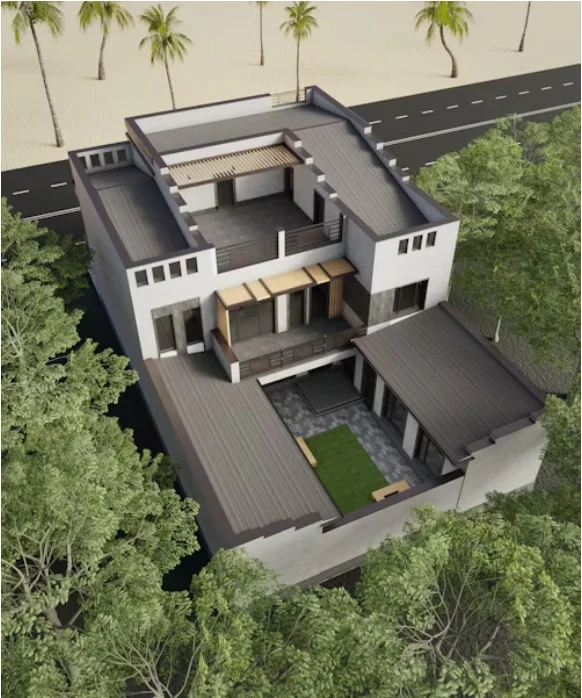
Designers pick two storey house plans for the room they give to make cool front looks and inside setups. Public spots like family rooms go on the bottom. Private areas, such as bedrooms, sit upstairs. This creates a smooth path through the house. Today’s styles use big windows, open steps, and blends of stuff like glass, wood, and metal to catch the eye. Plus, you can change rooms as life shifts. A work spot now could turn into a kid’s room later.
I’ve seen homes where the staircase becomes a focal point, almost like art. It adds that personal touch many buyers crave.
Cost-Effectiveness Compared to Single-Storey Homes
Building costs per bit of space might run a tad higher because of the need for solid supports. But the total spend often drops since you need less land. Two storey places cut the price per living spot versus wide single-floor ones. For utilities, like pipes and wires, it’s simpler to run them straight up. That cuts setup bills.
In places like Australia, where land stretches far but prices bite in suburbs, this approach makes sense. A 1,500-square-foot home on two floors might cost 20% less in land alone compared to a flat one.
How Do Two Storey House Plans Contribute to Sustainable Living?
Being kind to the planet matters a lot in today’s homes. Two storey house plans help green living right from the start. They use less ground and boost how well energy works.
It’s not just theory. Real families report lower power bills after switching to these designs. That real-world win keeps the trend going strong.
Reduced Land Footprint and Environmental Impact
These homes take up less dirt space. So, more green patches stay around them. The small base means less messing with soil when building. It keeps water flow natural too. In tight spots, it opens ways for shared plant areas or group yards. That boosts bugs, birds, and plants nearby.
Think of a row of homes in a growing suburb. One with two storeys leaves space for a community veggie garden. Neighbors chat over fresh tomatoes—simple joys that tie into eco benefits.
Improved Energy Efficiency with Modern Designs
A smart two storey home handles heat well. Warm air goes up, so top floors stay toasty in cold times. Bottom ones, under shade, keep cool in hot spells. Add good windows that save energy and thick insulation. Then, you cut needs for heaters or coolers a lot.
Studies from building groups show up to 15-20% savings on energy in such setups. It’s a quiet revolution in daily comfort.
Integration of Green Building Technologies
Today’s workers fit solar sheets on top roofs, water catchers from rain, and clever temperature controls into two storey frames without hassle. These tools drop your power costs. They match perks from governments pushing green builds too.
In sunny spots like California, solar setups on these roofs pay back in five years. That’s money in your pocket, plus a cleaner footprint.
What Are the Financial Benefits of Investing in Two Storey Houses?
Looking at money matters, two storey house plans bring solid perks past the first build costs.
Investors often share stories of quick flips or steady rents. It’s not all numbers; it’s about smart choices in a changing market.
Higher Resale Value in Competitive Markets
Homes with levels above ground sell for more cash. They pack in more floor space and look sharp. Buyers see them as top picks for family stays over years.
In hot markets like Toronto, these can fetch 10-15% above single-storey neighbors. Location plays a part, but the design seals the deal.
Potential for Rental Income with Additional Space
Lots of owners turn the bottom floor into a separate rent spot or work area. This setup brings in extra cash. You don’t have to buy another place for it.
Imagine renting out a granny flat downstairs. It covers mortgage bits while you live upstairs—practical for young families starting out.
Long-Term Cost Savings on Utilities and Maintenance
Systems that save energy, plus small bases, mean lower bills each month. Fixing things like roofs or outside paint takes less effort than on big flat homes.
Over 10 years, owners might save thousands on upkeep. It’s the slow burn of savings that adds up nicely.
How Do Two Storey House Plans Enhance Family Living?
Two storey setups fit family life well. They mix spots to hang out together with quiet hideaways all under one roof.
Families I’ve heard from say it’s like having the best of both worlds. No more cramped quarters during holidays.
Separation of Living and Sleeping Areas for Privacy
Putting sleep rooms up high splits busy downstairs doings from calm spots above. This cuts noise moving between levels. It’s great for homes with kids or folks working from home who need peace.
During school calls, parents upstairs get focus. Downstairs, little ones play without bother—balance at its finest.
Versatile Spaces for Growing Families
Family life changes fast. A two storey home bends with it. Extra rooms shift from kid play spots to study nooks or visitor stays. No big fixes needed.
As teens hit high school, that old playroom becomes a homework hub. It grows with you, keeping things fresh.
Opportunities for Customization and Expansion
It’s easy to add spots like decks outside, high open areas, or top decks. Vertical builds let you tweak inside setups while keeping the base strong. This stretches the home’s use over family generations.
One couple added a balcony for morning coffee views. Small changes, big happiness boosts.
What Are the Challenges Associated with Two Storey House Plans?
These plans have upsides, but they come with hurdles. You need to plan ahead to dodge issues.
Not every design fits all. Sometimes, a flat home just feels right for certain folks—worth weighing both sides.
Increased Construction Complexity and Costs
Going up calls for tougher bases, extra strong frames, and safety bits like steps or walls that hold weight. These bump start costs a bit over flat builds. Yet, gains in value over time make up for it.
Builders note that while it’s trickier, tools like cranes speed things up now. Still, budget an extra 5-10% for surprises.
Accessibility Concerns for Certain Demographics
Older folks or those with hard times moving might not like stairs. They can feel tricky or risky. Wider steps or home elevators fix this, but they cost more at the plan stage.
In aging spots like parts of Europe, ramps or lifts become must-haves. It’s about making homes welcoming for all ages.
Potential Zoning and Regulatory Restrictions
Local rules might cap how high you go or set back rules for builds. This hits two storey projects. Talking to city folks early stops pricey changes down the line.
One developer shared how a quick check saved months of rework. Lesson learned: ask first.
How Do Technological Advancements Influence Two Storey House Designs?
New tech changes how we make, run, and enjoy homes—mostly those with floors stacked up.
It’s exciting to see gadgets make daily life smoother. Not everything’s perfect, though; some tech glitches remind us it’s still evolving.
Smart Home Integration for Enhanced Convenience
New two storey homes often have main control setups. They handle lights, watch cameras, room temps, and fun gadgets via phone apps or voice talk. This makes things comfy. It also helps watch energy use better.
Voice commands from the couch? Lazy luxury, but it works wonders for busy days.
Use of Advanced Materials for Durability and Safety
Fresh mix materials give great strength without much weight—perfect for stacked builds. Stuff that fights fire, forms of concrete with insulation, and layered wood sheets add toughness and nice looks. They need little care too.
These hold up in storms better than old wood alone. Safety first, always.
Adoption of Innovative Construction Techniques
Pre-made parts let teams put up top floors quicker. They check quality away from the site. This cuts build time a bunch. In quick real estate spots, fast finish counts big.
Projects that took six months now wrap in four. Time is money, after all.
Why Should Real Estate Professionals Focus on Two Storey Houses in 2025?
More folks want homes that work well and look good. This makes two storey spots smart picks for real estate lists this year.
Pros who jump on this ride early often lead the pack. It’s a bet on how people will live next.
Alignment with Market Trends and Consumer Preferences
Shoppers now want homes that do the job and fit modern ways. Two storey plans nail that. City workers like tight but open setups that bend with life.
Surveys show 60% of young buyers lean this way. Trends don’t lie.
Opportunities for Differentiation in Real Estate Portfolios
Builders with tweakable stacked designs shine in full markets of plain flat homes. Fitting plans to buyer groups builds a strong name. It draws picky folks after custom fits.
Standing out means more sales. Simple as that.
Strategic Positioning for Future Urban Developments
Cities push up growth over out spread with new rules. Pros eyeing stacked homes match coming city plans for green crowd living in home areas.
As density rises, these designs lead the charge. Forward thinking pays off.
FAQ
Q1: What makes two storey house plans more popular than single-storey ones?
A: They make the best of small land spots. They add design choices and money gains over time with up builds.
Q2: Are two storey homes environmentally friendly?
A: Yes. Their small ground use helps green aims. It saves plant spaces and lets in energy-saving tricks like air flow that needs no power.
Q3: Do construction costs differ significantly from single-storey houses?
A: Start costs run a touch higher for strong parts. But land buys and run costs save to even it out.
Q4: How do these designs suit families?
A: They give quiet by splitting floors for day and night. Spaces change easy as home needs shift.
Q5: What trends will shape future two storey house developments?
A: Look for more smart gadgets, piece-by-piece builds, and earth-friendly stuff to hit world green goals by 2025.