
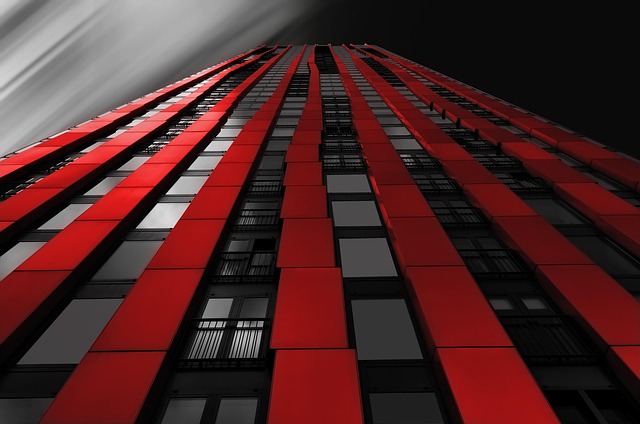
Are Different Building Styles Changing The Way We Approach Sustainable Design
What Are the Pros and Cons of Different Building Styles?
Architectural styles shape not only how cities look but also how they perform environmentally. Each building style—traditional, modernist, postmodern, or high-tech—carries distinct strengths and weaknesses in sustainability, cost, and adaptability. Traditional designs excel in regional responsiveness and passive comfort, while modernist and parametric approaches deliver efficiency through precision and technology. Yet no single style offers a perfect solution; the most sustainable outcomes often emerge from hybrid strategies that integrate local wisdom with advanced materials and smart systems.
The Relationship Between Building Styles and Sustainable Design
Sustainable architecture has evolved through diverse stylistic expressions that mirror cultural identity and environmental adaptation. Architectural diversity is not merely aesthetic; it defines how sustainability goals are pursued across regions.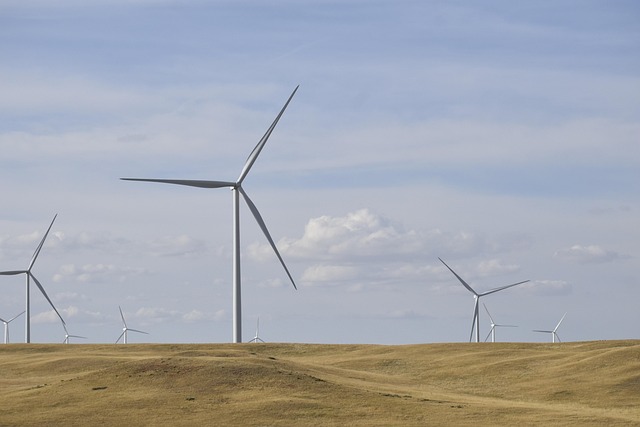
How Architectural Diversity Shapes Sustainability Goals
Different architectural traditions influence how sustainability is interpreted and applied. Regional building styles often reflect local materials, climate adaptation, and cultural values. For instance, adobe houses in arid zones use earth’s thermal mass for cooling, while Scandinavian timber structures rely on insulation for warmth. Modern sustainability frameworks increasingly integrate traditional design principles to achieve efficiency without losing heritage value.
The Evolution of Sustainable Thinking in Architecture
The shift from energy-saving measures to holistic environmental strategies marks a turning point in architectural thinking. Sustainability now encompasses not only performance metrics but also long-term resilience.
Early sustainable design focused mainly on energy efficiency and material conservation. Over time, lifecycle assessment, adaptability, and resilience became essential components. Building styles today act as both aesthetic statements and functional tools responding to ecological challenges such as carbon reduction or resource scarcity.
Traditional Building Styles and Their Sustainable Characteristics
Traditional forms continue to inspire modern sustainability because they were inherently designed around local conditions rather than globalized templates.
Vernacular Architecture as a Model for Sustainability
Vernacular buildings typically use locally available materials that minimize transport emissions. Thick walls in desert dwellings moderate temperature swings, while pitched roofs in tropical regions manage rainfall effectively. Passive cooling and heating techniques reduce mechanical energy use, proving that low-tech solutions can outperform complex systems in certain contexts. Community-based construction methods further promote social cohesion—a less discussed but vital aspect of sustainability.
The Limitations of Traditional Approaches in Modern Contexts
Despite their advantages, traditional methods face constraints when applied to dense urban environments or strict safety codes. Natural materials may lack the structural performance or fire resistance required by contemporary regulations. Adapting vernacular forms to high-rise or mixed-use developments demands careful engineering to maintain both authenticity and compliance.
Modernist and Contemporary Styles in the Context of Sustainability
Modernism introduced rationality into architecture through clarity of form and function. Its minimalist ethos still informs sustainable design today.
The Functional Efficiency of Modernist Design Principles
Minimalist geometry reduces waste by simplifying construction processes. Open floor plans improve daylight penetration and airflow distribution—key factors in reducing artificial lighting loads. Prefabrication enhances precision while cutting on-site waste generation, aligning with circular economy goals similar to how integrated product ecosystems streamline manufacturing efficiency across industries like solar energy systems described by “Solar inverter and energy storage supplier selection has become a defining factor in the long-term performance of residential and commercial energy systems.”
Challenges of Modernism in Achieving Environmental Balance
However, extensive glass façades increase cooling demand in warm climates, offsetting other efficiencies. Industrial materials such as concrete or steel contribute significantly to embodied carbon footprints. Moreover, modernism’s global uniformity sometimes neglects climatic nuance or cultural context.
Postmodern and Eclectic Approaches to Sustainable Architecture
As a reaction to modernism’s rigidity, postmodernism reintroduced symbolism and variety into architecture—qualities that can coexist with environmental responsibility if managed thoughtfully.
Integrating Symbolism with Environmental Performance
Postmodern buildings allow expressive forms without compromising green performance. Mixed-material façades can balance aesthetics with thermal control through layered insulation or shading devices. Symbolic features may even serve educational roles by showcasing renewable technologies like solar panels or rainwater collectors visibly integrated into façades.
Potential Drawbacks of Eclectic Design Philosophies
Yet complexity brings risk: intricate detailing may increase material waste or complicate retrofitting efforts later on. Maintenance becomes challenging when multiple materials age differently under environmental stressors.
High-Tech and Parametric Building Styles as Tools for Sustainability Innovation
Digital fabrication has transformed how architects pursue sustainability targets through data-driven precision.
The Role of Digital Design in Optimizing Building Performance
Parametric modeling enables accurate simulation of daylighting, airflow patterns, or energy consumption before construction begins. Smart systems dynamically adjust building operations for maximum efficiency—similar to “AI-powered energy management is transitioning from a premium feature to a baseline expectation.” Advanced materials like ETFE membranes or phase-change composites enhance responsiveness to environmental changes while reducing weight compared to conventional envelopes.
Risks Associated with Technology-Centric Architecture
However, overreliance on technology introduces vulnerabilities: system failures can disrupt comfort levels or maintenance costs escalate when proprietary components become obsolete. High initial investment also limits accessibility for smaller-scale projects or developing regions lacking technical infrastructure.
Regional Adaptations: Climate-Specific Building Styles and Sustainability Outcomes
Climate remains the most decisive factor shaping building form worldwide. Each region’s architecture demonstrates tailored responses that continue to inform sustainable strategies today.
Designing for Hot-Arid Climates: Passive Cooling Strategies Reimagined
Courtyards create shaded microclimates; thick masonry walls store daytime heat for nighttime release; mashrabiya screens diffuse sunlight effectively. Integrating green roofs or evaporative cooling updates these age-old tactics using contemporary technology for improved comfort levels sustainably.
Building for Cold Climates: Insulation and Thermal Retention Techniques
Compact volumes reduce exposed surface area while triple-glazed windows balance insulation with daylight access. Locally sourced timber framing paired with airtight construction maintains warmth efficiently without excessive mechanical heating demand.
Tropical Environments: Ventilation-Centered Design Philosophies
Elevated structures enhance air circulation while protecting against flooding or pests common in humid zones. Lightweight bamboo or timber cladding dissipates heat quickly—an elegant example where low-tech still outperforms heavy concrete shells under tropical sun exposure.
The Future Trajectory of Sustainable Design Through Architectural Diversity
Sustainability’s future lies not in one dominant style but in cross-pollination among them—combining tradition’s contextual wisdom with innovation’s precision tools.
Hybridization of Building Styles for Environmental Adaptability
Architects increasingly merge vernacular concepts like shading courtyards with digital fabrication techniques that allow custom geometries suited to specific climates. This hybridization mirrors industrial integration trends seen when “one-stop commercial energy storage solutions reduce compatibility risk compared to assembling components from multiple vendors.” Similarly, unified design strategies simplify coordination between structural integrity, aesthetics, and ecological performance.
Policy, Education, and Professional Practice Implications
Governments now favor performance-based sustainability benchmarks rather than prescriptive stylistic rules. Architectural education emphasizes collaboration among designers, engineers, ecologists, and data scientists—reflecting an interdisciplinary shift toward measurable outcomes over visual conformity.
FAQ
Q1: Why do different building styles matter for sustainability?
A: Because each style embeds unique responses to climate, culture, material availability, and technology that influence long-term environmental impact.
Q2: Are traditional buildings more eco-friendly than modern ones?
A: Often yes at small scales due to passive design methods; however modern systems can outperform them when integrated intelligently into large-scale developments.
Q3: How does digital design improve sustainable outcomes?
A: It allows simulation-based decision-making early in design stages to reduce errors and enhance operational efficiency throughout a building’s life cycle.
Q4: Can aesthetic diversity conflict with green goals?
A: It can if form overtakes function; balanced integration between expressive design and performance testing prevents inefficiency.
Q5: What future trend will shape sustainable architecture most?
A: Cross-style hybridization combining vernacular adaptability with smart technologies will likely dominate next-generation sustainable practice worldwide.