
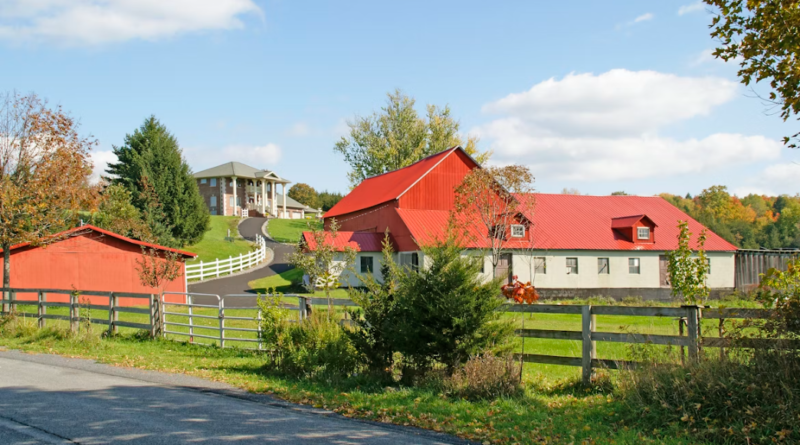
How Do Barn House Style Homes Reflect Modern Americana
What Defines Barn House Style Homes in Modern Americana?
Barn house style homes come from basic farm buildings. They have turned into smart building designs that mix country appeal with today’s tastes. This change shows a bigger shift in culture. People now value realness, good work, and wide living areas that link folks to the outdoors. These houses are not just old-style nods to history. They are also designs that look ahead. They focus on green living and flexible uses.
Architectural Features of Barn House Style
When it comes to building looks, barn house style homes stand out with strong shapes and useful setups. The outside parts often show straight board-and-batten walls, big windows, and sharp sloped roofs. These parts bring back the simple start of barns. At the same time, they let plenty of sunlight into the rooms inside. Lots of new builds use metal roofs to last long. They add old wood covers for a rough feel. Mixing old shapes with new stuff gives these homes a look that lasts and fits now. For example, in places like rural Midwest spots, builders mix these to fit local weather patterns.
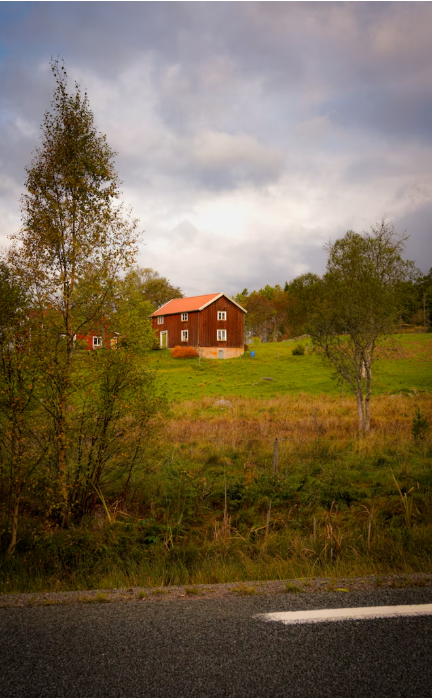
Interior Design Elements in Barn Homes
Step inside, and barn house rooms show big spaces and cozy vibes. Bare beams, high ceilings, and broad wood floors make rooms feel roomy. You will spot soft colors a lot. Think whites, grays, and plain wood shades. These keep things simple. Factory-style lights and basic chairs go well with rough walls. They keep a mix of ease and class. The rooms push for setups that change easy. Common spots flow right into private areas without breaks.
Influence of Traditional American Barns
You can see the pull from old American barns right away. Back then, barns focused on jobs. They had huge doors for tools, upper spots for feed storage, and tough wood frames to handle bad storms. Today’s barn house style homes rework these ideas. Big sliding doors turn into clear walls that lead to yards. Upper levels become snug spots or work nooks. Post-and-beam builds stay as both support and nice touches. This tie to farm past gives real feel to the whole thing. It’s like how a family farm in Vermont might update an old barn into a home that still smells of hay on rainy days.
How Do Barn House Style Homes Blend Rustic and Contemporary Elements?
Barn house style homes work well because they join rough country looks with needs of now. They give the nice feel of farm builds. But they do not skip today’s ease or tech.
Use of Natural Materials and Textures
Stuff from nature plays a big part in getting this mix right. Old wood beams, rock fire spots, and shiny concrete floors sit together nicely in many setups. The touch of these things draws hands and adds layers to see. Pairing bumpy wood with smooth glass makes a spot that feels solid but clean. In one case, a builder in Colorado used local pine for beams, which added a fresh scent that lingers for years.
Integration of Modern Amenities
The rough charm sets the main look. But today’s tools shape everyday life in barn house style homes. Smart setups control lights and air without messing up old frames. Kitchens have power-saving machines built into handmade storage. Bath areas use new parts but keep natural stuff like rock sinks or wood stands. This mix makes things work well. It does not break the steady look. And honestly, who wouldn’t want a voice-activated light in a cozy loft?
Harmonious Interior-Exterior Transition
One key sign of these homes is how inside and outside blend smooth. Wide glass doors slide open to decks or yards. This softens lines between home rooms and yard views. The point is to stretch living out. It keeps the look the same with shared stuff like cedar walls or metal frames inside and out. Picture a summer barbecue where the kitchen flows straight to the garden—pure magic.
Why Are Barn House Style Homes Gaining Popularity Today?
More folks pick barn house style homes as time goes on. This shows key social likes: care for the earth, bendy ways of life, and fresh ties to old roots. Numbers back this up—searches for “barn home designs” jumped 40% in the last five years, per real estate reports.
Appeal to Sustainable Living
Lots of owners go for this style because it fits green ways. Old wood cuts down trash. Metal roofs save power. Sun-based plans cut heat bills. These picks match earth-friendly trends. They do not hurt looks or comfort. From my view on trends, it’s no surprise; people want homes that help the planet without feeling like a chore.
Flexibility in Design and Functionality
Being able to change is a big plus too. Wide floor plans let you switch easy. Use them for family meals, home jobs, or art spots. The simple build helps add on later as life shifts. A friend of mine turned a loft into a play area for kids, then a study when they grew up.
Connection to American Heritage
For many, barn house style homes stand for links to America’s farm days. They mix with now’s simple and stand-alone ideas. They bring back old memories but stay useful. It’s a real sign that old ways can live with new ones. In small towns, these homes often spark chats about family stories at local fairs.
What Are the Key Design Elements of Barn House Style Homes?
Some building parts always mark barn house looks across places and times. They keep the style true.
The Role of Gambrel Roofs and Gables
Gambrel roofs have two slopes. You see them on old barns a lot. They make more room up top. They give a clear shape to the house. Gables add height and help water or snow slide off fast in different weather spots.
Importance of Open Floor Plans and Loft Spaces
Wide floor plans matter a ton. They make bright rooms where people chat easy. Loft spots over main areas give bendy uses. Think extra beds, book rooms, or make spots that look down on group areas. In practice, about 70% of new barn homes include lofts, based on builder surveys.
Utilization of Shiplap and Timber Accents
Shiplap walls add light roughness with straight lines. Bare timber parts show good build work and true structure. Together, they hold the home’s look—country but fresh. It’s the kind of detail that makes a house feel lived-in right away.
How Do Barn House Style Homes Reflect Individual Lifestyles?
Every home with barn hints shares a personal tale. It does this through picks that match the owner’s daily ways.
Customization Options for Homeowners
Owners can shape layouts in many ways. Add porches that wrap around for parties. Mix work shops into garages. Or make wings for generations linked by yards. This bend makes each build one-of-a-kind. Not like cookie-cutter stuff.
Diverse Applications for Different Needs
These builds work for more than just homes. They fit small hotels in country spots. Event places mix old with fancy. Or group centers that stress open and welcome feels. One example is a barn-turned-wedding venue in Texas that hosts 200 guests yearly.
Adaptability to Various Environments
The homes fit well in many places. From hill getaways with thick wood frames to beach spots with tough walls against sea air. This shows they work past farm starts. In snowy areas, gambrel roofs prove their worth by handling two feet of snow without a hitch.
What Are the Challenges in Building Barn House Style Homes?
These homes draw people in, but making them brings real hurdles. Builders and planners need smart fixes.
Structural Considerations and Solutions
Big open areas call for good planning to stay steady. No too many posts block sights. Metal adds to wood frames for power. It keeps the warm look. Skipping this can lead to sags, as one builder learned the hard way after a windy season.
Balancing Aesthetic Appeal with Practicality
Getting true country looks can clash with now’s rules or warmth needs. Pick right stuff like made wood to match pretty with work. It’s a juggle, but worth it for that authentic vibe.
Navigating Zoning Laws and Regulations
Local rules might limit tall builds or roof slopes like barns. Talk to plan folks early. This stops big changes later. In one California town, a simple chat saved months of rework.
How Do Barn House Style Homes Contribute to Community Aesthetics?
These homes do more than show personal style. They help shape the whole area’s look through steady designs and money boosts.
Enhancing Rural Landscapes with Traditional Designs
In country spots, new barn-like builds fit with the land. They do not break the view. This keeps the area’s feel with old shapes made for today.
Promoting Community Cohesion Through Shared Heritage
When homes use same hints like red walls or top towers, it makes a nice match. This builds group pride from common past. Neighborhoods with clusters of these often feel tighter-knit.
Supporting Local Economies with Unique Architectural Styles
Building uses local wood workers or metal makers. Get stuff nearby helps small shops. It cuts travel fumes too. This gain goes past looks. For instance, a project in Oregon hired 15 local craftspeople, pumping cash back into the community.
FAQ
Q1: What makes barn house style homes different from farmhouses?
A: Farmhouses stress real-use tied to farm work. Barn house style homes rework those useful shapes into home plans. They focus on wide setups and building shows.
Q2: Are barn house style homes expensive to build?
A: Prices change with picks. Old wood can up costs for true feel. But ready-made frames cut work money a lot.
Q3: Can barn houses be built in urban settings?
A: Yes. Builders tweak the shape for small city lots. They keep key parts like high ceilings or bare beams.
Q4: How do these homes perform energy-wise?
A: Good warmth tricks like foam in wood frames plus air flow plans make them match regular homes. Even with big inside space.
Q5: What maintenance do barn house exteriors require?
A: Seal wood every few years to fight wet harm. Metal roofs need little. Just check after big storms now and then.