
Can Green Architecture Principles Enhance Urban Sustainability
Green Building Design: The Complete Guide to Sustainable Architecture in 2025
Green architecture has gone way past just a small idea in design. It now sits at the core of city planning for better futures. You see its effects in tall buildings that save energy and in home projects that harm the earth less. As more people move to cities, cutting down on harm to nature while keeping places nice to live in is more important than ever. This piece looks at how green architecture helps city sustainability. It covers the main ideas behind it. Plus, it talks about where tech and rules are heading next.
How Do Green Architecture Principles Influence Urban Sustainability?
Green architecture ideas shape how cities use resources. They also affect waste handling and community support. These ideas change how buildings work with their surroundings. They lower carbon output. At the same time, they boost daily life quality.
Impact on Environmental Footprint
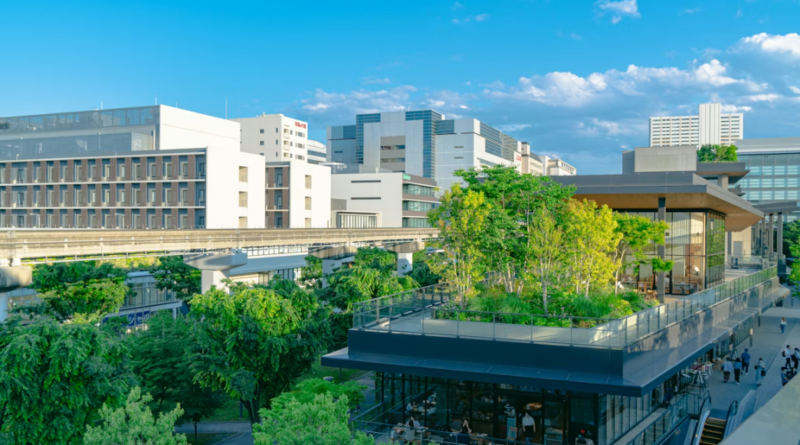
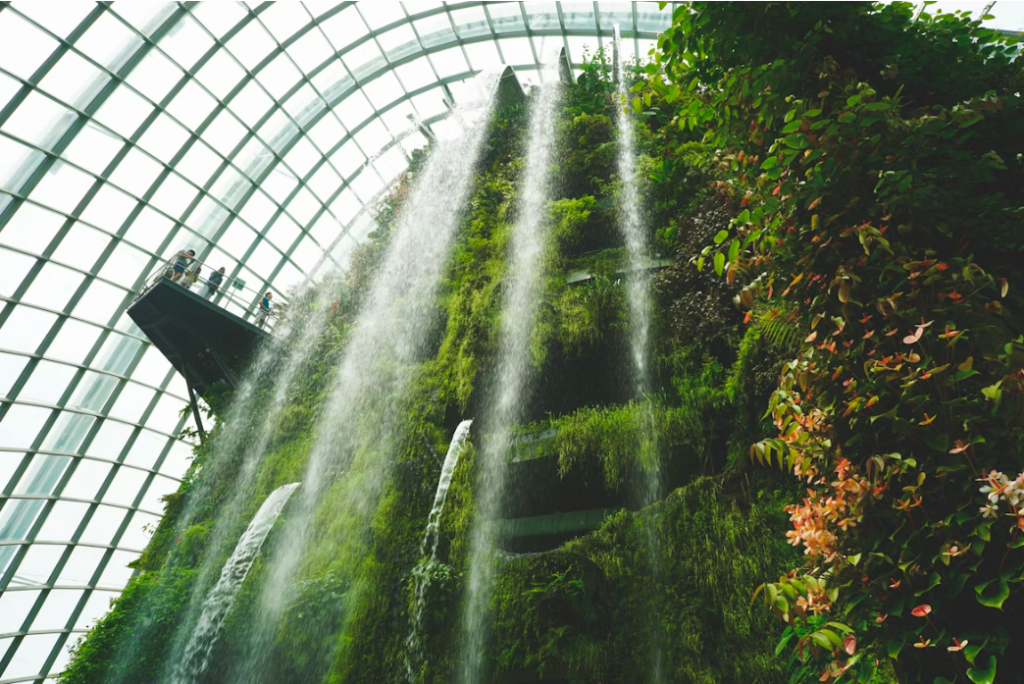
Saving energy stays key in green architecture. Buildings with smart sun heating, fresh air flow, and strong insulation cut power use by as much as half. For waste, methods like building in parts, reuse setups, and recycling old stuff help a lot. City nature wins too. Roofs turn into gardens. Walls grow plants upward. This makes spots for bees and birds. It also cools small areas around.
Take a quick example from real life. In places like Singapore, green walls on high-rises have dropped local temps by a few degrees. That’s real help during hot days.
Role in Economic Development
The money benefits make a strong case. Saving on energy lowers costs over time. This leaves more funds for other needs. Green jobs pop up in areas like putting up solar panels, making eco-friendly stuff, and giving advice on the environment. These jobs spread across many fields. Home prices often go up for projects with top sustainability badges. Buyers see them as safer bets with steady want from the market.
From what I’ve seen in reports, cities with green pushes, like Portland, have added thousands of such jobs in the last few years. It’s not just talk; it’s real growth.
Contribution to Social Well-being
Green buildings aid health in clear ways. Good air cleaners cut down on dust and bad air inside. Sunlight from windows lifts work output and feelings. Common green spots bring people together. They build stronger ties in neighborhoods. By adding cheap options to eco homes, more folks get healthy spots to live. They do this without money worries.
One small note: sometimes these spaces even host local events, like picnics, which isn’t the main goal but adds a fun layer to community life.
What Are the Core Principles of Green Architecture?
Green architecture rests on basic ideas that blend care for nature with smart planning. Each idea aims to cut harm. It also boosts how well buildings work from start to end.
Site Optimization and Context Analysis
Picking the best spot matters a ton. Things like sun paths, wind paths, and nearby plants guide choices. These help bring in more natural light and air. Linking to current setups cuts travel fumes and extra resource use. When buildings fit with their area instead of fighting it, they join a smooth city flow.
In practice, think of a project in Austin where they studied local winds first. That simple step saved on cooling costs big time.
Energy Efficiency and Renewable Integration
Sun-based methods let buildings grab warmth in cold months. They block extra heat in warm times with shades or heavy materials that hold heat. Clean power setups, like sun panels or tiny wind machines, cut fossil fuel needs. Links to smart grids watch use right away. This lets you tweak habits on the fly.
Sustainable Material Selection and Use
What you pick for materials sets the harm level from the beginning. Used steel, bamboo floors, saved wood—all these lower stored carbon over new stuff. Checking full life cycles spots materials that last well with little trash. New mixes now give strength and low harm. They hold up long without dropping green aims.
Industry folks often say bamboo grows fast and feels sturdy, which makes it a go-to for floors in humid spots.
How Can Green Architecture Enhance Water Management in Urban Areas?
Lack of water worries many cities more each year. Green architecture offers real ways to save water. It also builds strength against floods or dry spells.
Water Conservation Techniques
Systems to catch rain from roofs store it in tanks. You reuse that for watering plants or flushing toilets. Water from sinks or baths gets cleaned for yard care, not drinking. Fixtures that use less flow cut daily amounts without losing ease. One small switch times thousands of people means big cuts.
For instance, in drought-hit California, some homes now save 30% on water bills this way. It’s straightforward and pays off.
Advanced Water Management Technologies
Smart tools watch water flow live. They spot drips fast or set watering times by weather. Pavements that let water soak in stop overload on drains in big rains. In risky flood areas, raised bases or plant ditches guide extra water away safe.
Impact on Urban Water Systems
All these steps lighten load on city water lines. They spread out handling right at buildings. Green roofs or made wetlands clean runoff before it hits rivers. Past use, these add nice looks too. Pools or holding areas calm heat changes in packed city parts.
It’s interesting how a simple pond can make a block feel less stuffy on summer afternoons.
What Are the Challenges Facing Green Architecture Implementation?
Progress happens, but hurdles slow things down. Money limits, rule tangles, and skill shortages top the list.
Cost Barriers and Financing Strategies
Starting costs stand as a main block. Fancy systems cost more up front than old ways. But savings on bills pay back in a few years, not ages. Grabbing government perks or green loans helps fill money holes for projects chasing badges.
Developers I know say incentives can cover 20-30% of extras, which changes the math quick.
Regulatory Obstacles and Policy Solutions
Rules often trail new ideas. This makes okaying things like water reuse or wood building slow, even if safe. Working together—architects, builders, rule makers—lines up standards with fresh green goals. It keeps safety in check.
Skills Gap and Education Needs
Moving to green ways needs fresh skills in many areas. Think energy check experts or loop economy advisors. Schools now grow classes on full-life checks and smart building tools. This preps new workers for what the field wants.
One gap I’ve noticed is in hands-on training; books are great, but site work seals it.
How Is Technology Driving Innovation in Green Architecture?
Tech pushes and joins sustainable work now. It ties facts from data to real green results.
Renewable Energy Integration
Better sun power works even with some shade on roofs. Small wind setups add juice in beach projects. New battery holds keep power steady in busy times or blackouts. Smart home gear shifts energy by who’s there.
In windy Chicago spots, these turbines have powered small towers without grid help for hours.
Advanced Materials Revolution
Tiny tech makes paints that clean themselves or bounce back heat for cooler insides. Plant-based stuff from seaweed or mushroom roots gives fresh insulation. It holds heat well with low harm over time.
Building Information Modeling (BIM) Applications
Online planning tools ease team work. They mix design with build data live. BIM runs tests on light or carbon before building starts. This backs choices with proof.
Using BIM cut errors by 15% in a recent Seattle project, from what teams shared.
How Do Certification Systems Influence Green Architecture Practices?
Badge systems shape green goals. They measure results in areas like power, materials, water, and people comfort.
LEED v5: The Latest Evolution
LEED v5 brings fresh rules on zero carbon over full lives. It adds fair community results. To get it, hit marks from site prep to daily run. Perks include tax breaks or better name in markets.
International Standards Comparison
UK’s BREEAM or global WELL pair with LEED. BREEAM eyes earth measures. WELL checks inside health. Their wide use sparks team-ups across lands. Developers adapt to local weather with steady green marks.
Comparing them feels like picking tools for a job—each fits different needs.
Net-Zero Energy Building Standards
Net-zero spots make as much clean power as they use yearly. They mix saves with on-site tech like sun sheets or earth heat pumps. These help big plans to cut city carbon in years ahead.
What Are Future Trends Shaping Green Architecture?
By 2025 and later, trends mix to change city building. AI tools to loop economies shift material paths.
Emerging Technologies And Materials
AI planning software checks tons of setups fast. It cuts waste and boosts light—a task that took weeks now done quick. 3D print concrete parts speed builds. They drop wood waste from old forms.
Imagine printing a wall overnight; it’s already happening in small Dutch homes.
Policy Developments And Market Drivers
Governments link public buys to green marks. This nudges private groups to green up. Shoppers pick eco homes more as climate hits home. Banks give better loans for badged spots, seeing low risks.
Climate Adaptation And Resilience Focus
Strength against wild weather turns key in plans. Facades fight heat but breathe in wet times. Flexible insides allow changes for sea rise. Every plan now thinks ahead. Cities stay livable through changes.
With storms like recent ones in Florida, this focus isn’t just smart—it’s vital.
FAQ
Q1: What distinguishes green architecture from traditional design?
A: It mixes nature care into all steps—from picking spots to choosing stuff—to cut resource use and lift people comfort. Old designs focus just on looks.
Q2: Are green buildings more expensive?
A: Starting prices can run higher from new tech. But run costs drop fast. Total cost ends lower over years.
Q3: Which certification should developers pursue first?
A: LEED works wide around the world. But local ones like BREEAM fit better by place or market needs.
Q4: How does technology support sustainability goals?
A: BIM tools model exact to cut build mistakes. Smart watchers tweak power use after move-in. This lifts full stats a lot.
Q5: What trend will most impact future urban development?
A: Blends of AI checks, loop setups, and tough climate rules will shape next cities. Architects will use them in every job ahead.