
Architecture and Sustainability: Building for the Future
Architecture and sustainability go hand in hand these days. Cities keep growing, and resources get scarcer all the time. Architects now handle more than just looks. They must think about the environment too. Sustainable architecture goes beyond simple green roofs or solar panels. It means creating setups that cut down waste, save power, and boost people’s lives. This piece looks at ways architecture can build a greener tomorrow. It covers smart planning, fresh materials, and flexible tech. Sometimes, I wonder if we’ll see more parks in tall buildings soon. That could really help with city heat.
How Does Sustainable Architecture Influence Modern Design?
Sustainable architecture touches every part of the design process. It starts from early drawings and goes all the way to picking materials. It pushes people to consider how buildings fit with their surroundings. Plus, it looks at how they work well over many years. The aim is to limit damage. But it’s also about making buildings that help keep nature in check. Take a busy office block, for example. If you plan it right, it can save a ton of energy just by letting in natural light.
Integration of Environmental Principles
Today’s sustainable architecture weaves in basic nature-friendly ideas. Things like passive solar design let sunlight warm spaces without extra help. Natural ventilation brings in fresh air through smart openings. Water conservation systems catch rain and reuse it wisely. These steps cut the need for fake heating or cooling. They also drop running costs. For example, pointing a building toward the sun can slash lighting power by up to 40 percent in work areas. In hot places like Arizona, this makes a big difference during long summers.
Emphasis on Lifecycle Thinking
Lifecycle thinking checks the full effect a building has on the planet. It starts from digging up raw stuff and ends at tear-down time. You look at each step for its carbon mark and resource drain. This way of thinking has boosted the use of materials that can be reused. Steel or bamboo last a long time. They don’t create much trash either. I’ve seen old factories turned into homes using these. It feels good to repurpose what’s already there.
Influence on Urban Planning
Sustainable architecture changes how we plan cities too. Tight-knit designs with shops and homes mixed together shorten trips. They build stronger neighborhood ties. Green paths, bike routes, and easy bus links are now key parts of city growth that cares for the earth. Picture a town where everyone walks to the store. That cuts car use and clears the air a bit.
What Are the Core Principles Behind Sustainable Building Practices?
Sustainable building rests on a few main rules. These rules try to match what people need with keeping nature healthy. They give architects a guide to mix style with care in their work. It’s not always easy, but it pays off in the end.
Energy Efficiency
Keeping energy use low sits at the heart of green building. Structures use about 40 percent of the world’s power each year. Cutting that down makes a huge difference. Methods like thick insulation keep heat in or out. Double-glazed windows block cold or heat better. Smart systems manage power use wisely. They hold steady comfort but trim down the bills. In a school, for instance, better windows mean kids stay cozy without cranking the heat all winter.
Resource Conservation
Saving resources means picking stuff that renews or harms little. Reclaimed wood comes from old spots and works fine. Recycled concrete bits fill in gaps without new mining. Low-VOC paints avoid bad fumes in the air. Water-saving taps and rain collectors ease the load on city pipes. All this helps keep supplies from running dry too fast. One project I recall used old tires for playground edges. It was clever and cheap.
Human-Centered Design
Sustainability thinks about folks inside the building as well. Access to real sunlight lifts moods. Clean air stops stuffy feelings. Even warmth balance affects how well people work. Studies show that spots with good light and breeze raise job happiness and brain power. An office with plants and open windows? Workers there seem sharper and less tired by afternoon.
How Do Materials Shape Sustainable Architecture?
The stuff you pick for a building sets its green score. Builders today balance how long it lasts with what it costs the earth. They also check if it’s easy to get nearby. Choices matter a lot in rainy spots or dry deserts.
Use of Renewable Materials
Materials that grow back fast, like bamboo, beat out old slow trees. Bamboo shoots up quick and needs little work to shape. Hempcrete mixes hemp bits with lime for great warmth hold. It even pulls in carbon as it sets. In places like Europe, folks build small homes with it. It stays cool in summer and warm in winter without much effort.
Recycled and Reclaimed Components
Turning trash into treasure cuts down dump piles. Old steel beams hold up strong in new spots. Reclaimed bricks from torn-down walls add charm without fresh digs. Many new builds use walls from saved glass or wood scraps. This keeps things out of landfills. Think of a warehouse redone with old factory doors. It saves money and tells a story.
Local Sourcing Strategies
Grabbing materials close by cuts truck fumes from long hauls. It helps local jobs too. Stone from near quarries or dirt from the site blends right in. This drops carbon from shipping. And the building looks like it belongs. In mountain towns, using local rock makes homes feel sturdy against winds.
Why Is Technology Crucial in Advancing Sustainable Design?
Tech pushes green ideas forward. It gives clear facts on how things perform. Architects use computer tools to test energy paths and guess results. They tweak plans before any dirt moves. It’s like having a crystal ball for building. Without it, mistakes cost more later.
Smart Building Systems
Smart setups watch heat, dampness, light, and who’s around. They change on their own to keep things nice but save juice. Lights flick on only when needed. Air systems adjust as the day shifts. In a hotel, this means guests stay comfy without wasting power on empty rooms. Sensors catch small issues early, like a leaky pipe.
Digital Modeling Tools
Building Information Modeling, or BIM, lets groups see the whole thing on screens first. It spots problems like warm spots or shade blocks ahead of time. This avoids big fixes down the road. Teams work faster and spend less. A hospital project might use it to plan nurse paths better, saving steps and time.
Renewable Energy Integration
Fitting in sun panels or earth heat right from the start hits low-energy targets. Solar setups on roofs now look sleek, not clunky. They add to the style when planned well. In sunny California, homes with these cut electric bills by half. It’s a win for wallets and the planet.
How Does Architecture Contribute to Climate Resilience?
Climate resilience means a building stands up to wild weather changes. It keeps working without big breakdowns. With seas rising and storms getting fiercer, this is key for lasting builds. No one wants a house washed away in a flood.
Adaptive Structural Design
Builders make frames that flex over years, not stiff ones. Raised bases shield shore homes from water rises. Shades that move on their own block sun in hot spells. These tweaks help in places hit by yearly rains. A beach house with stilts? It rides out tides better than low ones.
Natural Disaster Preparedness
Planning for shakes or big winds uses light but tough parts like cross-laminated timber, or CLT. It takes hits better than plain concrete. And it’s kinder to trees. In quake zones like Japan, this saves lives and cuts rebuild costs. Teams test these in labs first to be sure.
Urban Heat Island Mitigation
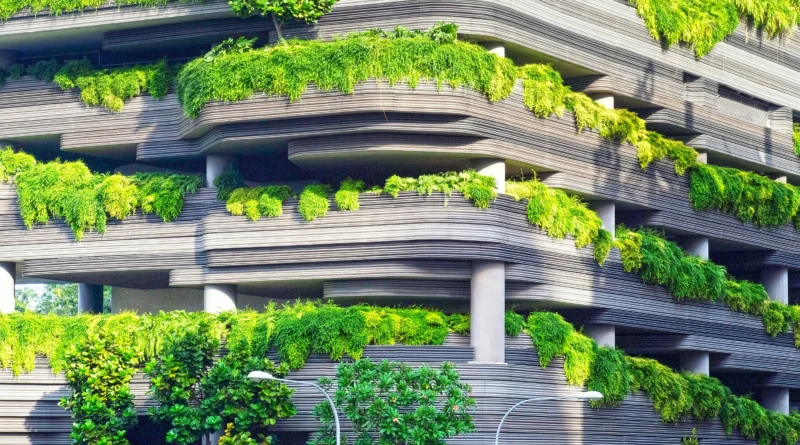
Plant-covered roofs chill city air by a few degrees in peak heat. That’s vital in packed spots where warmth builds up. It can save lives for older folks or kids. New York has rules for these on new roofs now. They also grow herbs sometimes, adding a fresh touch to meals.
What Role Does Policy Play in Promoting Sustainable Architecture?
Rules set the path when money alone doesn’t push green ways. Governments around the world use scores like LEED or BREEAM. These give perks or tax breaks for smart designs. It nudges folks to go green without force. Slowly, it changes how we build everywhere.
Regulatory Standards
New laws demand base levels of warmth hold or green power in fresh builds. This sets a floor for care, even if owners chase cheap options first. It keeps things fair. In Europe, codes now check water use too, helping dry areas stretch supplies.
Public Funding Initiatives
Handouts for fixing up old places get owners to add warmth layers or sun boards. It’s better than knocking them down. Old spots make most city fumes today. A grant program in Canada turned a 1950s school into an eco-center. Kids learn there about saving power hands-on.
Education and Awareness Campaigns
Drives to teach the public shift how we view green building. They share real wins where nature care matches fine looks. It’s not a fight between them but a team-up. Schools and ads show examples like a park-topped mall. People visit and get inspired to push for more.
FAQ
Q1: What is the main goal of sustainable architecture?
A: The main goal is to minimize environmental impact while maximizing efficiency throughout a building’s lifecycle—from design through operation—to support both human comfort and ecological balance.
Q2: How do green buildings reduce costs over time?
A: Though initial investment may be higher, reduced energy bills, lower maintenance needs, and extended material lifespans typically offset costs within five to ten years depending on scale and usage intensity.
Q3: Which materials are considered most sustainable today?
A: Bamboo, recycled steel, rammed earth, hempcrete, cork panels, and reclaimed wood rank among top choices due to renewability combined with durability under diverse climate conditions.
Q4: Can technology fully replace traditional architectural methods?
A: Technology enhances precision but cannot replace contextual judgment; local climate knowledge still guides decisions about orientation or ventilation better than algorithms alone can predict accurately every time.
Q5: Why should architects prioritize climate resilience now?
A: Because climate events grow more severe yearly; designing resilient structures safeguards communities against disruption while preserving investments that might otherwise face catastrophic losses later on.