
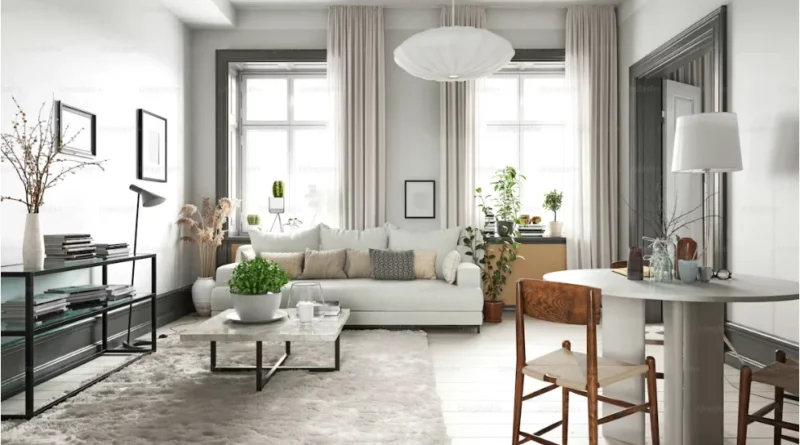
What Makes 2025 Home Interiors Stand Out in Design
What Defines the Aesthetic of 2025 Home Interiors?
The style of 2025 home interiors shows a careful mix of calm from nature and smart tech features. These spaces feel fresh and alive. At the same time, they fit right into daily digital life. Materials, shades, and shapes bring a sense of peace. They blend well with modern gadgets. The best 10 home setups in 2025 all share this key idea. They match a way of living that puts comfort first and thinks about the world around us.
Blending of Natural and Modern Elements
Home setups in 2025 draw a lot from nature-loving design ideas. You might see rough stone tops next to shiny metal parts. Or woven chairs close to shaped LED lights. This mix makes rooms feel full of life but still neat. For real life, picture simple oak wood floors touching clear glass walls. Or soft cloth covers against smooth shiny storage units. It’s not just about clashing looks. Instead, it’s about keeping feelings steady. I remember walking into a friend’s place last year. They had this setup, and it just felt right – not too busy, but welcoming.
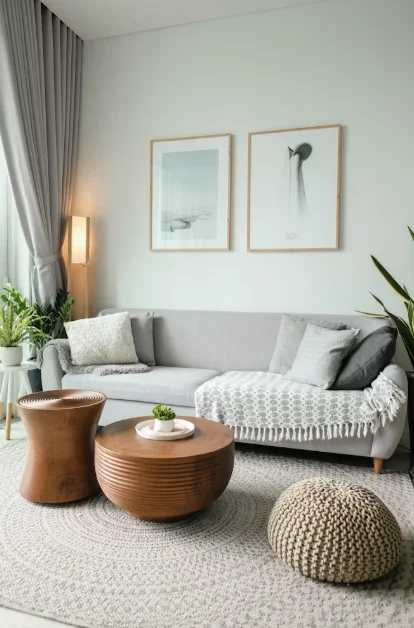
The Role of Sustainable Materials
Being kind to the planet isn’t just popular now. It’s what people expect. Used wood, fast-growing bamboo, tiles from old glass, and paints with low bad smells lead the way. Experts also pick stuff from nearby spots to cut down on travel harm. Even fancy rooms now brag about their green side as a big plus. Take floors made from building scraps. Or fabrics from plastics pulled from the sea. These choices make homes last longer and feel good to use.
Influence of Global Design Trends
The world keeps changing how rooms look. But now, it’s done with more care for different cultures. Simple Japanese ways that love rough edges mix with sunny spots from around the Mediterranean. Clean lines from the north blend with hand-made items from Africa. These outside ideas lead to areas that seem broad but not messy. They show how we live linked up yet on our own. Think about a living room with a low table from Japan and colorful throws from Morocco. It works without crowding the space.
How Does Technology Integrate into Home Interiors?
Tech in 2025 isn’t something extra. It’s built right into the home’s bones. The newest room plans use gadgets not only for easy tasks. They also set the mood. Lights change with how you feel. Sound setups hide in the walls. And some walls react when you touch them. This all makes homes smarter and more fun to be in.
Smart Home Automation Systems
Smart controls for homes have grown up past basic talking orders. Now, they learn what you do through smart programs. They tweak the heat, lights, and even smells based on your habits. For instance, your cooking area could warm up the stove when it knows you’re fixing food. Or the lights could go low when it picks up that you’re winding down. In my experience from checking out new homes, these systems save time and make days smoother. One family I know set theirs to play soft music at dinner – small thing, but it adds up.
Integration of Augmented Reality in Design
Augmented reality changes how people picture rooms before making real switches. You can try out paint shades, chair spots, or light setups on your phone or special glasses. This cuts down on mistakes. It also lets you play around with ideas without throwing stuff away. Apps make it simple, like walking through your space on a screen. Designers say it helps clients see the end result, which builds trust fast.
The Impact of IoT on Interior Spaces
The Internet of Things links up everything in the house. From air settings to wall art, it all ties into one big network. Picture a glass that shows your morning health check. Or shades that darken on their own when the sun gets bright. These links turn fixed rooms into ones that react. They change what we call a living area. It’s like the home knows you better each day. Stats show over 70% of new builds now include some IoT bits, making them more lively.
Why Are Flexible Spaces Gaining Popularity?
Life mixes work at home with hanging out with friends. This push has made bendy rooms a must in design. Houses need to switch uses smoothly. They shouldn’t feel like quick fixes or thrown together.
Multi-Functional Furniture Solutions
New furniture ideas drive this change. Sofas that break apart turn into beds for visitors. Tables that fold away into walls save room. Eating tables stretch out for work chats or big family meals. Companies put money into these switchable pieces. They fit tight spots well. And they keep the look nice. For small city flats, this is a game-changer – I’ve seen a desk that hides as a shelf, perfect for quick changes.
Adaptable Room Configurations
Parts that move and slides let one area do many jobs in a day. A small flat might go from office to stretch spot in moments. This bendiness matches how we live now. It’s about using space smart and showing who you are in busy towns. No more rigid setups; everything flows as needed.
The Rise of Open-Plan Living
Open layouts stay in style. But they’re getting better with soft zones. Areas get marked by light shifts, roof details, or floor feels. Not hard walls. This keeps things open yet close when you want. It builds a smooth path in the home. In bigger homes, it means kids can play while parents cook, all in sight but not too loud.
What Color Palettes Dominate 2025 Interiors?
How colors affect feelings shapes rooms for 2025. Experts pick shades that calm you down. Yet they also spark new ideas. It’s a light touch between plain and lively.
Neutral Tones with Bold Accents
Cozy beiges, gentle browns, and pale whites make the main set. Then add pops of rich blue-green, baked earth red, or leaf green. These pops show up in pictures or big chairs. Not on walls. This way, you can swap them for seasons easily. It keeps things fresh without big work.
The Use of Earthy and Organic Colors
Colors from the ground keep leading. Folks want a tie to outside inside. Soft greens like plant cover, dirt reds from dry lands, and rock grays from hills all stand out. They cover cloths and surfaces. These shades make rooms feel grounded, like a walk in the woods but comfy at home.
Trends in Monochromatic Schemes
All-one-color plans are back. But they use more feel in fabrics. Dull black storage with dark stone tops. Or light gray cloths in different patterns. This builds layers without too many shades. It’s simple but deep, great for busy eyes.
How Do Textures and Materials Shape Interiors?
Feel of things matters as much as color now. In touch-friendly rooms, you don’t just see. You reach out and sense them. This pulls you in on a deeper level.
The Popularity of Natural Textures
Fibers from nature like cloth, rough grass, sheep wool, and plain wood rule. They get better with age. Their little flaws share tales that fake stuff can’t match. Over time, they soften and fit your life story.
Innovative Use of Recycled Materials
New ways to reuse let makers build pretty faces from odd bits. Chairs from packed coffee bits or floor pieces from old pots bring fresh ideas to daily spots. These aren’t just green; they look sharp too. One project used bottle caps for counters – quirky but tough.
Combining Contrasting Textures for Depth
Mixing slick stone with bumpy wall coats. Or soft chair covers with rough metal edges. This adds eye catch without extra frills. Top homes use it a lot. It makes plain spots pop in real ways.
What Role Does Minimalism Play in Modern Design?
Simple ways stay key. But they’ve warmed up from cold starts. Now, easy looks add coziness with feels and shades. Not harsh empty vibes.
Emphasis on Clutter-Free Spaces
Clearing out isn’t about nothing there. It’s about picking what matters. Each item serves a job or heart pull. It helps the room work as one. No distractions. Just peace.
The Influence of Scandinavian Minimalism
Design from the north still shapes rooms worldwide. It loves bright spots, real stuff, and solid work for daily use. Not over-the-top fancy. Think light wood and clean lines that let sun in all day.
Focus on Quality Over Quantity
Big buys from strong materials swap out quick decor fads. This matches green aims. It boosts joy through things that stick around. Better to have a few good pieces than tons of cheap ones.
How Are Personalization and Customization Reflected in Interiors?
Showing who you are pushes design more than before. Homes build around your ways, not passing styles. It’s like telling your tale through the walls and floors.
Tailored Design Solutions for Individual Needs
Makers work tight with folks. They use computer models to fit plans to habits. Custom spots for hobbies or quiet read nooks with sound tweaks. It fits life just right.
Custom Furniture and Unique Art Pieces
Ordered art and made-to-order chairs hold the personal touch. They turn plain setups into spots with meaning. Each bit carries a story. Not just filler.
Incorporating Personal Narratives in Decor
Old family items next to new art build deep tales in rooms. This mix feels real. Not posed for pictures online. It’s your history mixed with now, making home truly yours. Sometimes, a simple photo frame from grandma adds that spark no store item can.
FAQ
Q1: What makes 2025 home interiors different from previous years?
A: They emphasize sustainable materials integrated with advanced technology while maintaining emotional warmth through natural elements.
Q2: Are smart homes expensive to implement?
A: Costs vary widely; however, modular systems make automation accessible at multiple price points depending on desired functionality.
Q3: Which colors best suit small apartments?
A: Light neutrals combined with subtle accent hues like sage green or muted coral help expand visual space without overwhelming it.
Q4: How can recycled materials be stylish?
A: Modern manufacturing processes allow recycled composites to mimic luxury finishes such as marble or terrazzo while remaining eco-friendly.
Q5: Why is personalization so important now?
A: As mass-market décor becomes ubiquitous online, homeowners seek authenticity through customized solutions reflecting their own stories and values.