
The Influence of Cultural Heritage on Architectural Design
Architectural design stands apart from nothing. It shows the beliefs, customs, and group memories of the people who build it. Each building, from old temples to tall modern towers, holds signs of cultural heritage. These signs guide its shape and purpose. For those who know architecture well, looking at how cultural identity affects design picks reveals steady links and changes in the places people live.
How Does Cultural Heritage Shape Architectural Identity?
Cultural heritage adds story depth to architecture. It gives a base for buildings to share feelings of belonging and past events. You see this when you study architectural identity. It often copies the growth of a group’s ideas and social setup. Sometimes, it feels like the building itself tells the tale of the community over years.
Symbolism and Local Aesthetics
Symbolism links culture to buildings. In various areas, patterns from stories or faith show up on fronts, supports, or decorations. Take Islamic architecture, for example. It uses simple shapes to show oneness and endlessness. East Asian temples focus on peace with nature. They do this with bending roofs and wood frames. These sight codes do more than look nice. They pass on common ideas through many years. I recall visiting a mosque in Istanbul where those patterns made the whole space feel alive with history.
Material Traditions and Craftsmanship
The stuff used in building designs often matches nearby supplies and skill habits. In places like Sweden or Norway, wood building shows long years of wood work know-how. In dry lands, mud bricks or rock keep insides fresh. They also fit the land’s colors. These choices keep real cultural feel. At the same time, they adjust to weather needs. Think about a small village in Morocco— their homes from local clay last for ages and stay cool without fans.
Spatial Organization Reflecting Social Values
Space setups also show what cultures value most. Open yards in warm sea-side houses bring people together for shared life. In Japan, mat floors make rooms that change easy. They stress plain ways and calm thoughts. Architects blend these space ideas into new work. This keeps hidden parts of heritage in today’s home life. For instance, a new housing project in Athens added courtyards that echo old Greek ways, helping neighbors chat more.
What Role Does History Play in Modern Architectural Design?
History serves as both a guide and a limit for today’s builders. It holds a store of shapes and skills. Architects can rethink them instead of just copying. History isn’t just old stuff—it’s a tool that sparks fresh ideas in busy cities.
Adaptive Reuse as Cultural Continuity
Changing old buildings for new uses shows how architecture grows. It keeps the past alive. Turning work plants into art spots or old prayer houses into guest stays holds city stories. This way mixes green living with care for the old. It cuts down on trash from tearing down. Plus, it saves layers from before. In London, an old warehouse became a trendy market. People love it because it mixes new shops with the brick walls that tell industrial tales.
Revival Styles in Contemporary Contexts
Builders often look back at classic or local styles to bring a sense of link. Think of new Gothic schools or after-modern fronts that nod to old art times. These show how looking back fits with new steps. The hard part is mixing respect with fresh touches. You don’t want just fake copies. Instead, pull strong ideas from the old. A university in the US rebuilt its hall in a style from 1800s, but added solar panels—smart mix.
Preservation Policies Influencing Design Decisions
Rules that guard old spots shape plans near them. Builders have to follow area laws. These might cap building height or front looks to keep the view matching the past. This back-and-forth between saving and moving ahead sets much of city planning talk today. In Paris, strict rules around the Eiffel Tower force new builds to blend in, keeping the charm alive for tourists and locals alike.
How Do Globalization and Cultural Exchange Affect Architectural Expression?
World-wide links bring mixes from different cultures. They softens old lines but might make local ways too much the same. It’s exciting, yet tricky— like blending spices that sometimes overpower the main dish.
Hybrid Architectural Forms
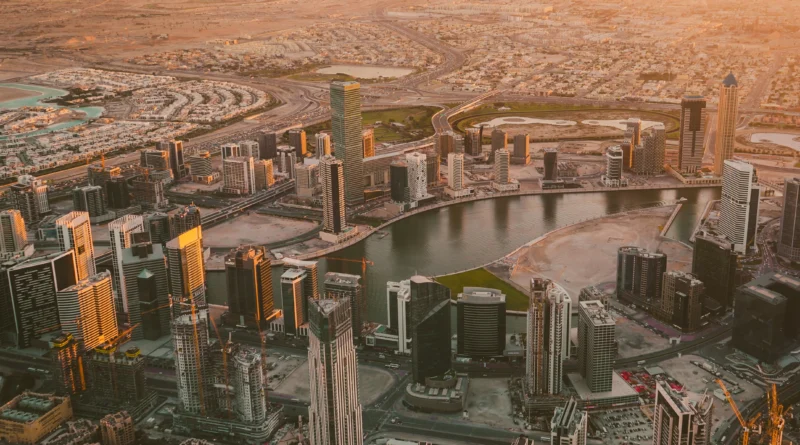
New mixed shapes come up when builders join world tech with home looks. Glass high-rises might add native drawings. Or, walls that handle weather draw from old shade tricks. These mixes show a talk between world newness and local past. In Dubai, a hotel tower uses wind-catching towers from old Arab designs but with modern steel—cool way to beat the heat.
Migration of Design Philosophies
Learning about building has linked the world. Ideas move fast across lands. Simple styles from Japan click in Europe work rooms. Green building from hot tropic spots helps world-wide eco plans. These shares boost creative mixes. But they might weaken area uniqueness if used without care. I’ve seen a cafe in New York with Japanese minimal touches, making it feel calm amid the rush.
Cultural Authenticity Versus International Style
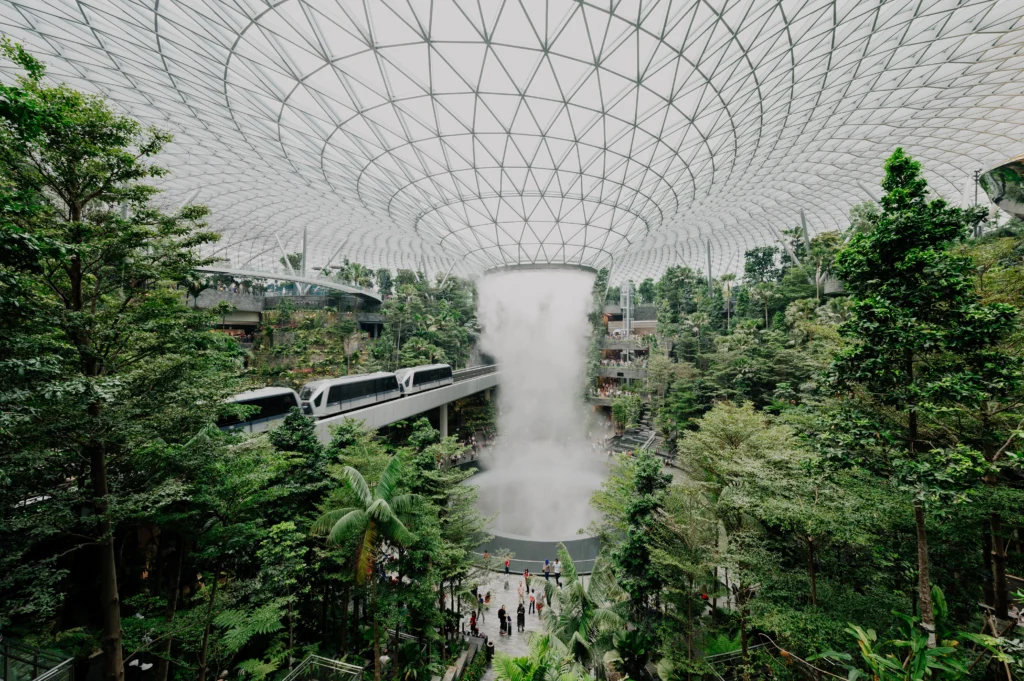
The pull between keeping true roots and using world-wide building talk stays key in building chats. Some towns pick big world-style marks to show they are open and grand. Others stick to fits that root in home stories. Best works often mix both. They have world skills tied to local flavor. Singapore does this well—gleaming towers with Asian garden vibes.
Why Is Cultural Sustainability Essential in Architectural Design?
Cultural lasting power makes sure new ways don’t wipe out who we are. Instead, it builds it stronger with smart changes. Without it, cities could lose their soul, turning into cookie-cutter places.
Protecting Intangible Heritage Through Space
Buildings can guard hidden heritage like old rites or group meets. They do this by making spots fit for them to go on. Markets built for old trade ways or stages for local shows keep live ways going in new setups. In Mexico, a plaza designed for festivals holds dances that have happened for 200 years, drawing crowds weekly.
Education and Transmission of Traditional Techniques
Learning plans teach old building ways next to computer tools. This helps close gaps between old hands and young minds. Such know-how backs new steps and saving the old in building work. Workshops in India train kids on carving stone like their grandparents, now with CAD software for precision.
Community Participation in Design Processes
Bringing locals into plan steps builds a sense of own and fit. When folks add their culture views—like color likes or sign parts—the buildings connect deeper with the group. It beats pushing outside looks. A project in Brazil asked villagers for input on a school, ending up with murals from their myths.
How Does Technology Interact With Cultural Heritage in Architecture?
Tech gives fresh tools to save heritage. It also grows how builders show ideas. From apps to smart stuff, it changes the game without throwing away the past.
Digital Documentation and Restoration Tools
Tools like 3D scans and computer models let exact notes on at-risk old spots. They help fix after wear or fights. These also make online stores for study around the world. After a quake in Italy, scans rebuilt a church brick by brick using digital plans.
Parametric Design Inspired by Tradition
Special software can rethink old shapes into new builds. For example, computer-made screen walls control light from ancient grid ideas. This shows tech brings old patterns back to life, not pushing them out. In Qatar, a museum uses this for mashrabiya screens that twist with the sun.
Smart Materials Reflecting Local Climate Knowledge
New stuff like heat-shift mixes match old smarts on staying comfy in weather. Adding these honors science steps and land fits from cultural roots. Homes in Australia now use wall paints that change with temp, like Aboriginal huts did with natural fibers.
What Are the Challenges of Balancing Modern Needs With Heritage Preservation?
Matching new wants with saving the old needs careful thought, not stiff rules. It’s a daily puzzle for builders in growing towns.
Urban Density Pressures on Historic Areas
Growing crowds call for higher builds. But old zones often ban tall growth. Smart fixes like under-ground adds or light roof tops fit more folks without messing the sky line. In Tokyo, hidden levels under temples add space for 500 more residents yearly.
Economic Constraints Limiting Conservation Efforts
Fixing old spots costs a lot. Short cash might lead to tear-downs over fixes. Help plans like tax breaks or team-ups between public and private push money into old-care work that pays off. The US gives credits that saved over 1,000 buildings last year.
Conflicts Between Functionality and Authenticity
At times, useful adds—like ramps for wheelchairs or air systems—fight with first looks. Builders hide these changes well. This boosts use without hurting true feel or skill marks. A castle in Scotland added elevators inside walls, keeping the stone face untouched.
FAQ
Q1: What is the relationship between culture and architectural design?
A: Culture shapes architectural design by influencing form, material choice, symbolism, and spatial organization reflecting societal values across time periods.
Q2: How does globalization impact local architectural identity?
A: Globalization introduces hybrid forms combining international techniques with regional aesthetics but can risk eroding distinct local identities if overapplied uniformly.
Q3: Why is preserving traditional craftsmanship important today?
A: Traditional craftsmanship maintains continuity between past knowledge systems and present innovation, ensuring materials retain cultural meaning beyond function alone.
Q4: Can technology help protect cultural heritage buildings?
A: Yes, digital documentation tools like 3D scanning assist restoration accuracy while virtual models preserve data for future research even if physical structures degrade.
Q5: What strategies balance modernization with preservation goals?
A: Strategies include adaptive reuse of existing structures, integrating new technologies discreetly within old frameworks, and involving communities throughout planning stages to align progress with identity continuity.