
Modern Design Trends in Urban Architecture
Urban architecture has always shown how human society changes over time. It highlights our goals, tools, and beliefs. Cities keep growing, and more people pack into them. So, the push for clever, lasting designs grows stronger. Today’s trends in urban architecture go beyond looks. They focus on daily life, travel, and connections in built spaces. This piece looks at main ideas driving the current scene in architecture. It also shows how experts like you reshape city views for our time.
Think about a busy street in a big city. Tall buildings rise up, but now they include plants on roofs. This isn’t just pretty. It helps cool the air and cuts down on power use. Such small changes add up in huge ways.
How Is Sustainability Reshaping Urban Architecture?
Sustainability used to be just a side idea. Now, it sits at the heart of urban architecture. It touches every part of a job. That includes picking materials, setting up power systems, and planning upkeep over years. Builders must create structures that hit green targets. At the same time, they keep things working well and cozy.
In one project I recall from a European city, teams chose wood from nearby forests. This cut travel costs and helped local workers. It made the building feel tied to its place.
Green Building Materials and Technologies
The move to earth-friendly materials stands out in lasting designs. Builders pick recycled steel, bamboo, reclaimed wood, and low-carbon concrete more often. Smart glass changes with sun levels. It cuts power needs by handling heat in a natural way. These choices lower harm to the air. Plus, they make buildings last longer.
For example, in a new office tower in Singapore, they used bamboo panels. These panels resist bugs without chemicals. Workers there say the space feels fresher, and bills dropped by 15% in the first year.
Energy Efficiency and Passive Design
Designs that save energy aim to cut reliance on fake heat or chill. Passive ways, like right placement, fresh air flow, and good warmth barriers, matter a lot. Take green roofs or wall gardens. They drop inside heat by a few degrees. And they clean the air nearby.
Picture a school in hot Texas. Its walls trap cool air from shade trees. Kids stay comfy without fans running all day. Parents notice lower electric bills too.
Water Management and Urban Ecology
New city work mixes in plans that handle water wisely. Think rainwater catchers, reuse of sink water, and paths that let water soak in. These steps fight floods in tight spots. They also boost life forms with city ponds or top gardens.
In rainy Seattle, one park uses old tires to hold storm water. This stops streets from flooding during big rains. Birds and bugs flock there now, turning a wet lot into a lively spot.
What Role Does Technology Play in Shaping Modern Cities?
Tech now blends right into how architects work. From computer models to sensors in roads and walls, it boosts exactness in plans. It also improves how things run day to day.
Sometimes, tech glitches remind us it’s not perfect. Like when a smart light system fails during a storm. But fixes come quick, and overall, it saves headaches.
Smart Buildings with Integrated Systems
Smart buildings link parts to watch lights, warmth, safety, and power use right away. Sensors grab info. Then, systems react on their own. Lights soften as sun comes in. Air units tweak based on who’s there. Over time, this cuts power waste a lot.
A hotel in Tokyo tracks guest habits. If rooms stay empty, power shuts off. Guests love the cool temps, and owners save thousands yearly on bills.
Digital Design Tools and Parametric Modeling
Builders turn to computer programs for parametric modeling. These help shape tricky forms that old ways couldn’t touch. They test weather effects before work starts. This saves money and cuts trash on site.
In a twisty museum design in Dubai, software ran 50 versions overnight. The best one used 20% less steel. Teams built it faster, with fewer errors.
Urban Data Analytics for Planning
Cities pull in data checks to guess crowd size, car flows, or small weather shifts. Planners place buildings smartly for top results. Each one adds good to the area. It doesn’t strain what’s already there.
New York uses phone data to spot busy spots. One new block got shops where people walk most. Sales jumped 30% in months.
How Are Social Needs Influencing Architectural Design?
Buildings don’t stand alone. They mold how groups meet and grow. The people side of city architecture matters more now. Cities want spots that include everyone and reach all folks.
It’s funny how a simple bench can spark chats. In crowded places, these small touches build bonds that last.
Public Spaces That Encourage Interaction
Good public areas build ties in groups. Parks in mixed buildings or walk-easy squares spark chance meetups. These plans put people first, not cars.
In Barcelona, a square with free water fountains draws families daily. Kids play, elders chat. It turns a plain lot into a heartbeat of the neighborhood.
Affordable Housing Innovations
Builders rethink homes for swelling city crowds. They use quick-build modules or fix up old spots. Ready-made parts go up fast and cheap. Yet, they hold strong and green rules.
London’s prefab homes cost 25% less than stick-built ones. Families move in weeks, not months. And they fit green tech like solar panels easy.
Inclusive Design Principles
Easy access isn’t extra anymore. It’s a must in new work. Things like no-step doors, touch paths for sight issues, and clear way-finding help all users. No matter their skills.
A library in Canada added voice guides. Blind readers borrow books alone. Usage rose by 40%, proving small changes open big doors.
How Does Aesthetic Minimalism Reflect Contemporary Values?
Minimalism rules the look in today’s architecture. It’s not just a trend. It shows clear, useful shapes that match now’s needs.
Some say minimalism feels cold, but in practice, it brings peace. Especially in noisy cities where calm is gold.
Clean Lines and Functional Spaces
Simple designs stress ease. Wide open rooms, sun pouring in, and clear setups make calm spots for home or work. Each bit has a job. No extra frills.
An apartment in minimal style in Berlin has one big window. It lights the whole place. Owners say it feels bigger, even in a tiny flat.
Material Honesty
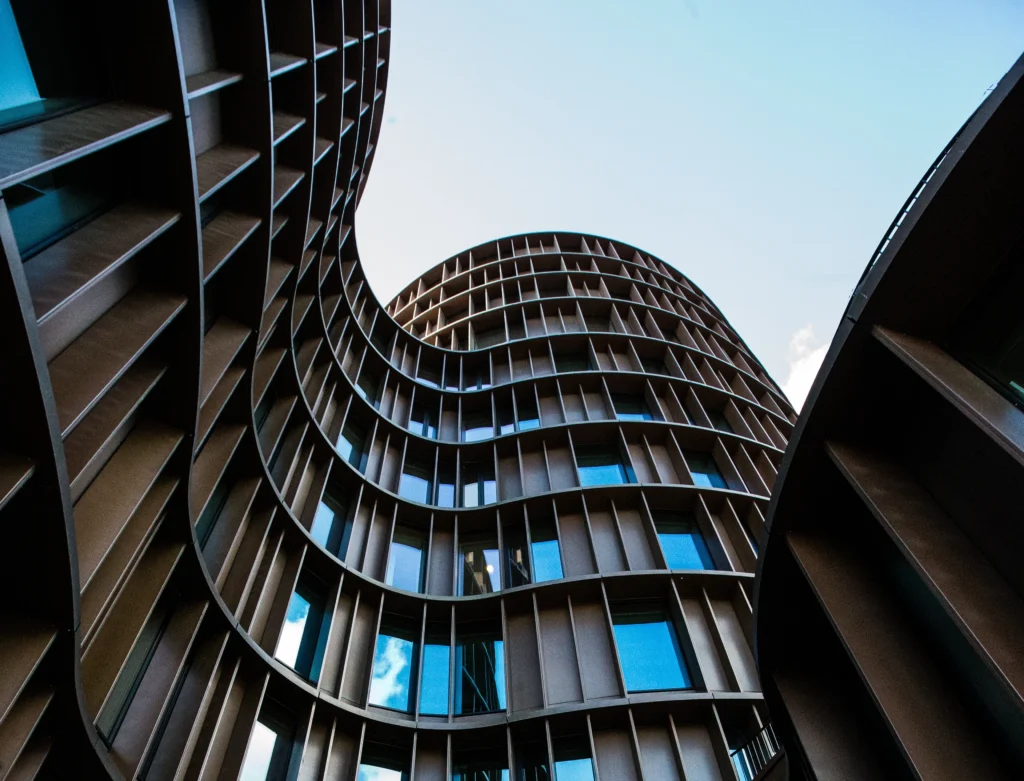
Bare concrete sides or shown steel frames tell the true build story. They skip fake covers. This open way fits now’s push for realness and green living.
In a factory turned home in Milan, raw brick walls stay. They add warmth without paint. It saves cash and feels honest.
Integration with Nature
Simple builds often mix inside and out. Big glass or yards pull green into homes. This brings mind ease in packed city life.
A cafe in Sydney opens to a garden wall. Diners hear birds while sipping coffee. It cuts stress, per local studies.
How Are Cultural Contexts Reflected in Modern Urban Projects?
Global ties smooth out styles, but home culture keeps a strong hold on build looks. Today’s builders rework old parts with fresh stuff or space ideas that fit now’s ways.
Blending old and new can trip folks up. One wrong mix, and it feels off. But done right, it sings.
Adaptive Reuse of Heritage Buildings
Turning old storage into show spots or plants into high homes keeps past charm. It meets today’s wants too. Reuse mixes save with fresh ideas. Many cities love this smart path.
In Shanghai, an old bank became lofts. Vault doors now hold wine. Renters pay more for that history touch.
Regional Materials and Craftsmanship
Local stone or wood backs area jobs. It trims ship fumes too. This links to old local styles that give each town its feel.
Mexican builders use adobe from nearby dirt. It cools homes without AC. And it supports village crafts.
Cultural Expression Through Form
Build shapes often nod to home patterns. Roofs like old shrines or sides like native cloths tie old tales to now’s use. Without copying straight.
In India, a school roof curves like temple peaks. Kids learn under shade that echoes stories from grandparents.
What Are the Future Directions for Urban Architecture?
Coming city builds will likely join green ways with smart tech on big levels. Places will turn into linked systems. Structures talk via web nets.
Who knows? Flying drones might deliver parts someday. But for now, ground tech leads the way.
Vertical Cities and High-Density Living
Land runs short, so builders eye tall setups. These mix homes with shops in one spike. Sky paths or shared spots like hanging greens link them high up.
Dubai’s towers house 10,000 per building. Lifts zip folks fast. Green spaces on levels 50 keep it livable.
Resilient Design Against Climate Challenges
Next plans must face wild weather. Bases that hold floods in shore spots or sides that bounce heat in warm lands protect folks. They keep power low too.
In Miami, new homes sit on stilts. Last hurricane? No damage. Folks slept safe while waves crashed below.
Circular Economy Principles in Construction
Reusing build parts at end times will shape build morals ahead. Parts made to take apart let stuff loop back to make more. Not to trash piles.
Sweden’s projects use bolt-together walls. When done, they unbuild in days. Materials go to new sites, cutting waste by 70%.
FAQ
Q1: What defines modern urban architecture?
A: It mixes lasting habits, fresh tech, and people-friendly ways to make smart spots for city days now.
Q2: Why is sustainability crucial today?
A: Cities use tons of stuff. Green plans cut harm to earth. They boost easy living with wise picks and power control.
Q3: How does technology improve building performance?
A: Smart setups watch all the time. They change on their own to save power waste. And make inside spots nicer.
Q4: What challenges do architects face when integrating tradition?
A: Keeping real old feel with new needs takes care. Saving past without stopping growth is a tough balance.
Q5: What trends will dominate future cityscapes?
A: Look for tall mixed spots run by sun power webs. Digital links will shape how folks live across whole cities.