
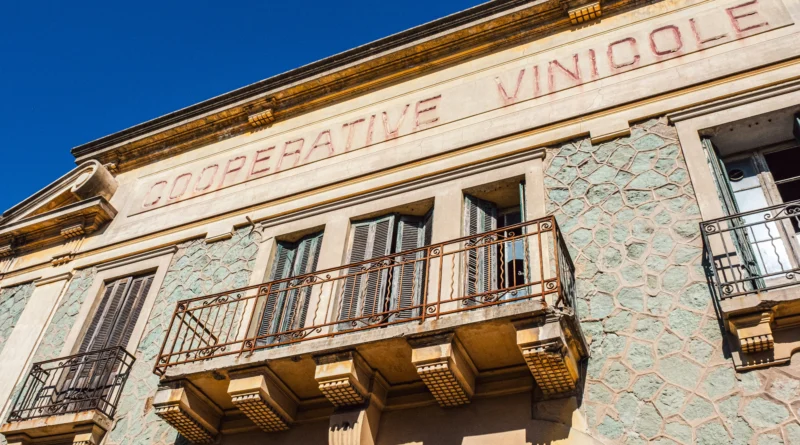
The Intersection of Art and Design in Architecture
Architecture goes beyond just building useful places. It blends art with design. Imagination forms shapes there. Human feelings shape structures too. When you look at how art and design connect in architecture, you notice creativity mixing with careful work. This mix creates spaces that stir feelings and meet needs. That’s why architecture stands out as one of the most lively yet controlled areas in the creative field. Sometimes, I think about how a simple walk through an old building can change your whole day—it’s that powerful.
How Does Art Influence Architectural Design?
Art shapes architecture by adding emotional and visual layers. Design handles the practical side. Art adds purpose, symbols, and ties to culture in built spaces. Both work together in every good project. This happens from big churches to simple houses. In my view, without art, buildings might feel flat, like empty boxes.
Artistic Expression as Spatial Experience
You step into a building that seems more like a painting than a plain structure. That’s when artistic ideas come alive. Architects pick sizes, shades, feels, and brightness to spark feelings. Take Antoni Gaudí’s Sagrada Família. It turns rock into smooth shapes from nature. This way draws from creative ideas, not just math or build rules. Picture the sunlight hitting those towers at dawn—it hits you right in the chest.
Symbolism and Cultural Identity
Buildings often hold a culture’s story through their visual style. Old shrines or new galleries do this. They share group beliefs via their look. Adding local patterns or stuff from the area changes architecture into a picture story of the spot and folks. For example, in Japan, wooden temples use curves that match the hills around them, making you feel part of the land.
Integration of Visual Arts
Wall paintings, statues, and setups have joined building plans for ages. They don’t just add pretty touches. They mix with the area. Walls become paint spots. Open yards turn into show rooms. Today, light shows from computers change front walls into moving faces. I recall seeing a building in Berlin where projections told the city’s history at night—people stopped and watched for hours.
What Role Does Design Play in Balancing Art in Architecture?
Design works as the smart base that turns creative thoughts into real forms. Without rules like size balance, flow, and order, buildings could turn messy or useless. Design keeps things steady. It lets art shine without breaking the basics.
Functional Framework
All structures start with what people need. Think shelter, easy walks, and cozy spots. Design fixes those. Plans sort out paths. Stuff picks handle how well it works. Build supports keep it safe. The trick is to hold this real use while letting creative parts grow. In busy cities, a well-planned lobby can make a tall office feel welcoming, not cramped.
Structural Innovation
Design ideas push new ways with stuff and steps. This makes big creative dreams real. Light mixes or parts made by 3D printers let builders make tricky shapes. Shapes that hands couldn’t do before. Remember the first time someone printed a full bridge model? It opened doors for wild ideas in real projects.
Aesthetic Coherence
Solid design matches every sight choice to a goal. A front pattern might match inside setups. Lights can point out feels or show paths. This match makes sure looks don’t take over use. Instead, it boosts it. Good flow in a home, like stairs that lead your eye to a window view, ties it all together nicely.
Why Is the Relationship Between Art and Design Essential in Modern Architecture?
In cities full of shiny towers and gray blocks today, keeping art and design talking stops boredom. It makes sure spots center on people, not just machines. This link keeps things fresh. Without it, streets look the same everywhere. Plus, in a world rushing fast, these buildings remind us to pause and feel.
Emotional Connection with Space
Folks feel drawn to areas that seem made by hand, not factory lines. Creative touches, like soft bends or touchy sides, make places easy to relate to and stick in mind. Walk into a curved hall, and it pulls you in, unlike straight lines that push you away.
Sustainability Through Creativity
Today’s green ways aren’t just tech tricks. They’re about smart limits too. Making fronts that catch sun right or using nearby stuff in fun ways cuts power needs. It keeps looks nice. For instance, a building in Singapore uses plant walls that cool the air naturally—saving 30% on bills while looking alive.
Urban Identity Formation
Towns get personality from structures that mix skill and fun looks. Look at Sydney Opera House or Guggenheim Bilbao. Each shines as a mark because it joins exact build work with shape dreams. The Opera House’s sails catch the harbor light just so, making the whole waterfront pop.
How Do Technology and Digital Tools Shape This Intersection?
Tech now grows what builders can dream and do. Computer aids link art’s free ways with design’s sharp aim. They let complex shapes and views happen before any real build starts. It’s like having a magic sketchpad that checks everything first. And honestly, without these tools, some modern wonders wouldn’t exist.
Parametric Design Systems
Shape-based planning lets builders tweak forms live. They use info like sun paths or build strains. It changes look searches into real work results. In one project, a team adjusted a roof for 20% better shade using this—simple tweaks with big wins.
Virtual Reality Visualization
VR helps makers feel space qualities before real builds. You can stroll digital copies. Test how brightness plays on sides. Check if sizes feel right from eye level. This joins gut feelings with exact checks. I bet if VR was around in the old days, cathedrals would have fewer surprises.
Fabrication Technologies
Computer cuts and 3D builds turn computer art straight into build parts. These ways fade lines between planner, maker, and worker. They make digital drawings into true builds without losing fine touches. A factory in Dubai prints full walls now, speeding up jobs by half the time.
How Have Historical Movements Defined the Fusion of Art and Architecture?
Over time, build styles have matched main art waves. From old balanced looks to plain modern ones. Each sets new ways art shapes space making. These shifts show how ideas evolve, sometimes clashing before blending smooth.
Renaissance Harmony
The Renaissance brought back old perfect ideas. Shapes stood for higher order. Builders like Brunelleschi saw structures as math pieces. They showed match between look and sense. Their domes, like in Florence, still draw crowds for that calm feel.
Modernist Functionality
In the early 1900s, new thinkers like Le Corbusier pushed “shape after use.” But this clear think held art too. In sizes, light games, and true stuff use. It changed how we see plain beauty deep. Think of those white villas—simple, yet they breathe.
Postmodern Expression
After plain years, postmodern added fun details and twists. Structures turned into light talks. They mixed old nods with now ideas. This shows design can let feelings out. A quirky museum front might wink at history, making you smile as you enter.
What Are Contemporary Examples Where Art Meets Design Seamlessly?
Lots of fresh works show this team-up. They use new shapes that look great and work well in their spots. These spots often surprise you—turning everyday paths into adventures.
The Louvre Pyramid by I.M. Pei
A sharp glass point set in old-style grounds shows how new builds can fit old art. It does this without copying. Clear walls and size control make a chat over ages. At night, it glows like a jewel in the courtyard, pulling in 10 million visitors a year.
Zaha Hadid’s Heydar Aliyev Center
Its smooth white skin moves like cloth caught in wind. It’s a build wonder shaped by carve goals. Every bend helps looks and holds up strong. Inside, the waves guide you without signs—pure flow.
Heatherwick Studio’s Vessel in New York
This bee-nest stair setup calls folks to climb and meet. It works as city art too. It’s a real show of people links via repeat shapes. Over 2 million stepped its paths before it closed for fixes, proving its draw.
FAQ
Q1: What distinguishes art from design in architecture?
A: Art shares feelings and group tales. Design turns those into working spots. So areas stay handy but moving.
Q2: Can architecture exist without artistic influence?
A: Yes, in a basic way. But it often comes off cold. It misses story depth or touch links needed for real stay-power. Like a boxy warehouse versus a park pavilion that invites picnics.
Q3: How do architects maintain balance between creativity and practicality?
A: They root big ideas in stuff limits from the start. This way, dreams grow with what can work. Not fight it. Teams sketch, test, tweak—repeat until it clicks.
Q4: What role does sustainability play in artistic architectural expression?
A: Green plans spark fresh looks often. Like air flow shapes setting front beats. This makes care for earth part of the sight self. In hot spots, shaded designs cut cool needs by 40%, blending save with style.
Q5: Why is collaboration between artists and architects important today?
A: Team work adds many views to jobs. Makers push old ways. Builders turn those pushes into lasting forms fit for daily life. One collab in London mixed street art with a bridge, turning a commute into color fun.