
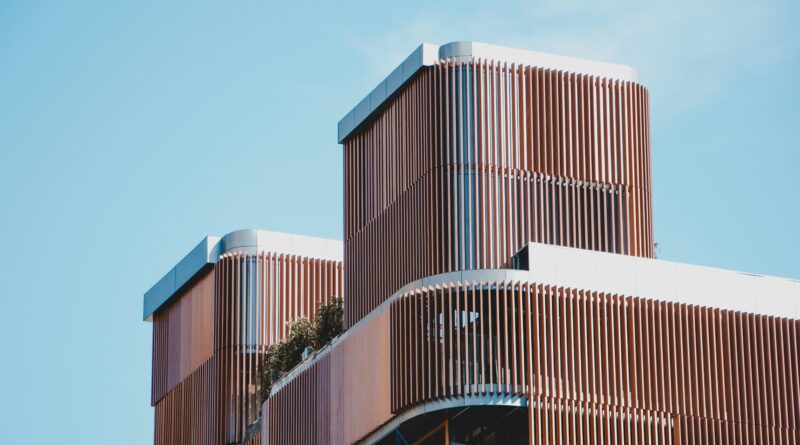
Contemporary Architecture: The Future of Building Style
Contemporary architecture goes beyond a simple visual display. It mirrors how society changes over time. Technology blends into design in fresh ways. Sustainability ties closely to beauty in buildings. You spot its effects in city skylines full of tall towers. It shows up in suburban neighborhoods with cozy homes. Even rural areas mix new materials with old local ways. This piece looks at main questions that guide the future of contemporary architecture. It explains what these mean for experts who shape tomorrow’s built spaces. Sometimes, I think about how these designs make daily life better, like in bustling streets where people feel more connected.
What Defines Contemporary Architecture?
Contemporary architecture captures today’s main ideas in building. It pulls from modernism but goes further. The focus lies on fresh ideas, care for the environment, and fitting new tools and ways of living. This style avoids strict rules from older times. Instead, it flows and shifts with changes in culture and nature.
Blending Functionality With Aesthetics
A key feature of contemporary architecture is the mix of practical use and good looks. Structures aim to meet people’s needs well. At the same time, they keep an attractive appearance. Picture wide open spaces inside that allow easy changes. Or outer walls that adjust to the sun’s path during the day. The look tends to be simple but full of feeling. Builders use items like glass, steel, and concrete in new patterns. For example, in a typical office building in New York, glass walls let in light while steel frames hold everything steady. This setup saves energy and feels open.
Embracing Sustainability
Care for the planet marks a big part of current building work. Designers pick materials that renew easily. They add systems for passive energy and smart water use. Things like green roofs, solar panels, and air flow from nature are not extras. They form the heart of planning. In places like hot deserts, these choices cut down on air conditioning needs by up to 30%, based on real projects I’ve read about.
Integrating Technology
Digital aids have changed how builders dream up shapes. Tools for 3D models and special design programs help create tricky forms. They also ensure exact building work. Smart setups in buildings watch energy flow. They tweak settings on their own to improve how things run. Take a smart home in Tokyo—sensors turn lights off when no one is around, which feels practical and saves bills.
How Does Sustainability Shape Modern Design?
Sustainability ranks as a must in contemporary architecture now. It forms the base of all work. With climate shifts speeding up, builders face real pressure. They tackle harm to the earth. They also build for lasting strength in tough conditions. It’s interesting how some cities push these rules hard, almost like a game to see who builds greener first.
Energy Efficiency as Core Strategy
Buildings that save energy cut down on power use. They do this with good insulation, smart placement facing the sun, and clever systems. Passive house rules take it a step ahead. They aim to drop needs for heat or cool air to almost nothing. In crowded spots like Singapore or Copenhagen, these ideas fit into country plans. For instance, one Copenhagen block uses 70% less energy than older styles, proving it works in real life.
Material Innovation
Moving to kind materials sparks tests with new mixes. Bamboo blends, reused concrete bits, and plant-based fillers lead the way. These cut down on carbon marks. They hold up strong too. Some teams now check the full carbon trail from start to end. This keeps everyone in check. In a project in Australia, recycled bits from old sites built walls that lasted through storms without extra cost.
Urban Ecology Integration
City planning today often joins green setups with building designs. Rooftop parks, wall gardens that grow up, and ground covers that let water soak in help with rain flow. These steps make small weather zones. They clean the air. They also make people feel more at ease. Picture a high-rise in London with plants climbing the sides—it cools the building naturally and boosts moods for workers inside.
Why Is Technology Critical in Contemporary Architecture?
Technology serves as a handy tool and partner in design today. It lets you see thoughts right away. You can test how things will work in the real world before starting to build. Without it, many wild ideas would stay on paper. It’s like having a magic sketchpad that predicts problems early.
Digital Fabrication Techniques
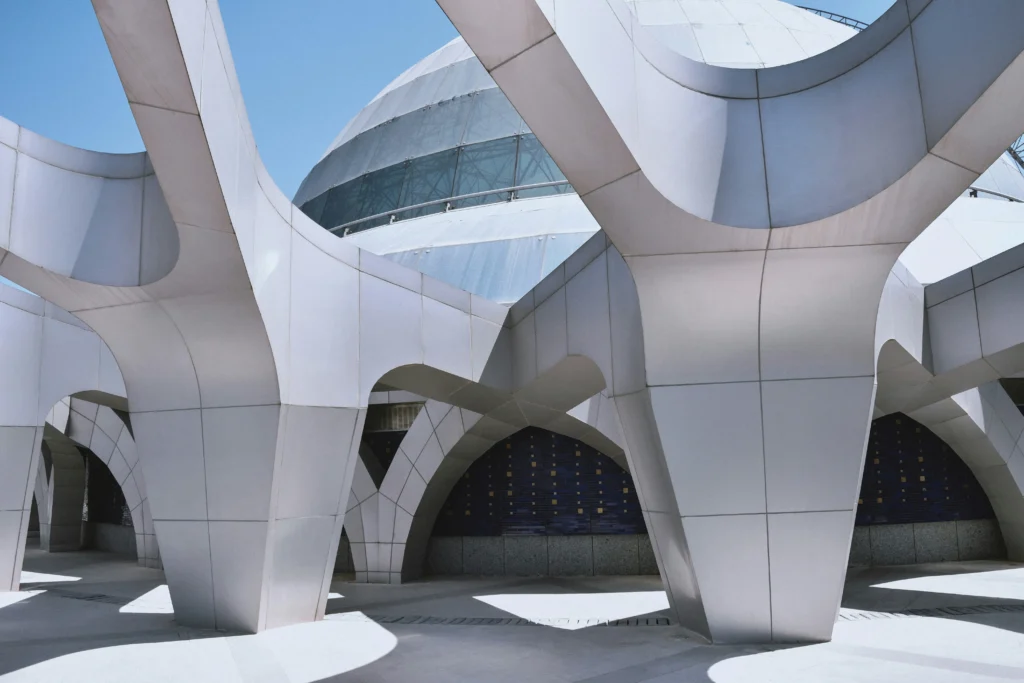
Methods like 3D printing, machine cutting, and robot putting-together change building accuracy. Shapes that were hard with hand work now come out fast. They waste little too. In a factory setting, robots shape curved panels for roofs in hours, not days, which speeds up whole projects.
Smart Building Systems
Sensors built into walls gather facts on heat, people around, or light levels. This data helps fine-tune energy without waste. It fits needs as they change. Such steps lead to better places to live that care for the earth. One example is a school in California where systems adjust air based on class sizes, keeping kids comfortable year-round.
Virtual Collaboration Platforms
Online cloud aids let teams from around the world work together live. Builders, fixers, and customers join in. Choices on designs move quick. They stay true and full of spark. During the pandemic, many firms relied on these to finish big jobs without delays, showing their real value.
How Do Cultural Contexts Influence Contemporary Design?
Buildings do not stand alone. They show social beliefs and home flavors. This holds true even with worldwide styles spreading. Local touches add warmth that global looks sometimes miss.
Local Materials and Traditions
Lots of builders rework old skills with new methods. For example, packed earth walls pair with metal supports. Or wood from safe woods turns into bold shapes. In Mexico, one home used local clay mixed with modern frames, blending old village feels with city strength.
Social Inclusivity
Open areas now focus on easy reach for everyone. This includes all ages and skills. Rules for kind designs make sure spots work for mixed groups. They avoid serving just a few. A park bench that adjusts height helps both kids and elders, making spaces truly welcoming.
Regional Identity Preservation
Global spread brings same looks everywhere. Yet, home pride stays key. Builders slip in cultural signs softly into plain setups. This keeps things real. It draws eyes from afar too. In Japan, subtle wood patterns on glass buildings nod to ancient temples without overpowering the modern vibe.
What Role Does Urbanization Play in Architectural Evolution?
Cities grow fast all over the globe. Contemporary architecture steps up to handle crowds. It keeps life nice amid the squeeze. Without smart plans, streets could feel too packed and cold.
Vertical Expansion Solutions
Tall living towers add shared decks or links in the sky. These build ties between floors. They fight feelings of being alone in cities. In Hong Kong, sky bridges connect towers, letting residents chat and share views, which cuts down on isolation in tight spaces.
Mixed-Use Developments
One spot holds homes, shops, work areas, and fun zones. This cuts travel time. It boosts local money flows too. A block in Berlin mixes all this, so people walk to work and play, building stronger community bonds.
Adaptive Reuse Strategies
Old plants turn into shared work spots. Big storage spots become art places. This saves history. It fits new uses without tearing down. In Detroit, a factory now hosts artists, keeping the brick walls while adding bright studios inside.
How Is Human Experience Central to Architectural Design Today?
Designs go past just working well or looking nice. Feelings count a lot. How folks feel in a spot shapes its success. It’s the heart of why we build at all.
Biophilic Design Elements
Light from outside floods in. Plants grow indoors. Water spots add calm. All this links people to nature inside walls. It lifts spirits and health. In a hospital wing with big windows and trees, patients heal faster, as studies from places like Seattle show.
Spatial Flexibility
Parts that shift let users change rooms easy. This matches life shifts, like home offices or growing families. A flexible apartment might slide walls to make a play area bigger, adapting as kids grow up.
Sensory Engagement
Feels under feet, sound control in areas, and light smells spread out. These touch senses without words. They build comfort deep down. Soft rugs in a lobby or quiet zones in offices make visits more pleasant, drawing people back often.
What Challenges Lie Ahead for Contemporary Architecture?
Steps forward in green ways and tech mixes bring hurdles. Cost issues hit hard. Rules slow new tries. Yet, these push builders to get smarter. It’s a mix of tough spots and chances to grow.
Balancing Cost With Innovation
New materials cost more at first. Matching money limits with big dreams proves tricky. This happens in projects worldwide. In India, teams use cheap local bamboo to keep costs down while testing bold shapes, showing balance is possible.
Addressing Housing Inequality
Builders join efforts for fair homes. They aim for good designs no matter the budget. This turns architecture into a help for all, not just the rich. Social projects in Brazil build simple but sturdy units for thousands, proving dignity doesn’t need high prices.
Navigating Climate Uncertainty
Water levels rise near shores. Wild weather hits hard. Designs must bend and change with earth shifts. Coastal spots need plans that last. In Miami, raised homes on stilts handle floods, adapting to storms that come more often now.
FAQ
Q1: What distinguishes contemporary architecture from modernism?
A: Modernism stressed factory speed and plain looks without extras. Contemporary architecture builds on this. It weaves in green care and digital tools as main parts.
Q2: Why is sustainability considered essential today?
A: Buildings cause about 40% of world carbon output. Cutting that helps meet earth goals everywhere. Simple math shows why it matters so much.
Q3: How does technology improve architectural outcomes?
A: Tools that mimic real use guess energy well before building starts. This saves money. It also meets green rules right away. In practice, it avoids costly fixes later.
Q4: Can traditional styles coexist with contemporary approaches?
A: Yes. Builders mix home touches like local rocks or wood work into new frames. This creates fit that feels right in place. One village hall in Italy kept stone base with glass top, honoring past while facing future.
Q5: What future trends may dominate architectural discourse next decade?
A: Look for stronger ties between computer smart picks and reuse loops for materials. These will shape talks as projects cycle through full lives. AI might even suggest designs based on local weather data, making things personal.