
The Splendor of Baroque Architecture: Key Features and Examples
Baroque architecture stands out as one of the most lively and feeling-filled styles in building history. It started in late 16th-century Italy. From there, it spread all over Europe. This style showed the Catholic Church’s way of pushing back against the Reformation. It did so with big size, motion, and showy flair. These buildings were more than just structures. They aimed to stir up wonder and deep spiritual feelings. You can spot its effects even now. Think of huge churches in Rome or fancy royal homes across Europe. I remember walking through one such place last summer; the way the light hit the walls made everything feel alive and full of story.
What Defines Baroque Architecture?
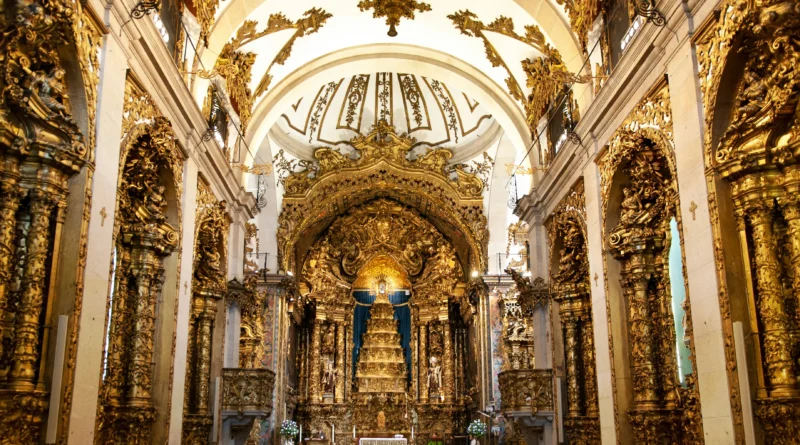
Baroque architecture features bold differences, tricky shapes, and a feeling of lively motion. It broke away on purpose from the calm balance of Renaissance designs. Instead, it went for strong feelings and real-life senses. Builders used light, dark spots, and space tricks to make eye-catching scenes. These pulled people in on many levels. For instance, in a typical Baroque hall, shadows dance around corners, drawing your eye deeper inside.
Dramatic Use of Light and Shadow
Light shaped Baroque spaces in big ways. Take churches like St. Peter’s Basilica in Rome. They let sunlight pour in through domes or high windows. This lit up altars in a striking manner. The mix of bright spots and dark areas boosted feelings. It highlighted a sense of holy nearness. Architects planned this carefully. They knew it would touch visitors’ hearts right away.
Ornate Decoration and Sculptural Detail
Decor in Baroque architecture was way more than basic trim. Ceilings got painted with murals that looked like they opened to the sky. Facades flowed with pillars, twists, and little angel figures. Plaster work often mixed carving and building. It made smooth walls that seemed to move on their own. One time, I saw a ceiling like that; it tricked my eyes into thinking birds were flying right overhead.
Grand Spatial Composition
Baroque builders shaped insides to lead people toward main spots. These were often altars or seats of power. They used bent lines and stacked views for this. Round domes, wide steps, and linked side rooms built a sense of endless area. The path a person took through these spots mattered just as much as the building. It turned a simple visit into a real adventure.
How Did Baroque Architecture Reflect Power and Religion?
The Baroque style came up during the Counter-Reformation. At that time, the Catholic Church wanted to strengthen its hold. It used art and buildings for this. Structures turned into tools for winning hearts. They acted like picture talks to spark belief. And it worked; crowds gathered, drawn by the sheer wow factor.
Religious Symbolism in Design
Places like Il Gesù in Rome set the pattern for Baroque church builds. Their setups focused on main walkways. These led straight to raised altars full of light. This stood for godly truths coming clear. Every bend, post, and shiny bit held deep faith meanings. It all helped people think and pray better. Designers layered these signs so subtly, yet they hit hard.
Royal Patronage and Political Power
Religion was not the only driver. Kings picked up Baroque ways to show their might. Versailles Palace under Louis XIV shows this well. It started as a simple lodge for hunts. But it grew into a mark of total rule. Huge rooms, shiny mirror halls, and planned gardens spoke of control. They showed power over land and folks alike. Walking those grounds today, you feel the weight of history in every step—over 2,000 acres of it!
Urban Planning as Spectacle
Cities turned into big shows for Baroque flair. Wide streets pointed to huge open areas. These were edged by churches or grand homes. In Rome, Gian Lorenzo Bernini’s colonnade at St. Peter’s Square did this masterfully. It wrapped around visitors like welcoming arms. This was a sign of the Church’s open invite. Planners thought of every angle, making the whole city feel like one giant stage.
Which Materials and Techniques Defined the Style?
Baroque builders made the most of fresh stuff and building tricks. These let them handle space with ease like never before. They pushed limits, sometimes bending rules to fit their bold ideas.
Marble and Stucco for Visual Richness
Marble gave strength and a rich look. Stucco let them add fine details without high costs. It copied marble’s glow nicely. Inside rooms mixed colored marbles with gold-trimmed plaster work. This hit the eyes with full force. Craftsmen spent months on these touches, layer by layer, to get that perfect shine.
Frescoes Creating Illusionistic Ceilings
Wall paintings on ceilings stretched building edges. They showed fake skies or rises to heaven. Painters like Giovanni Battista Gaulli used view tricks. Things like shortening lines made shapes look like they floated over heads. It was like stepping into a dream, especially on sunny days when light played across the colors.
Integration of Sculpture with Architecture
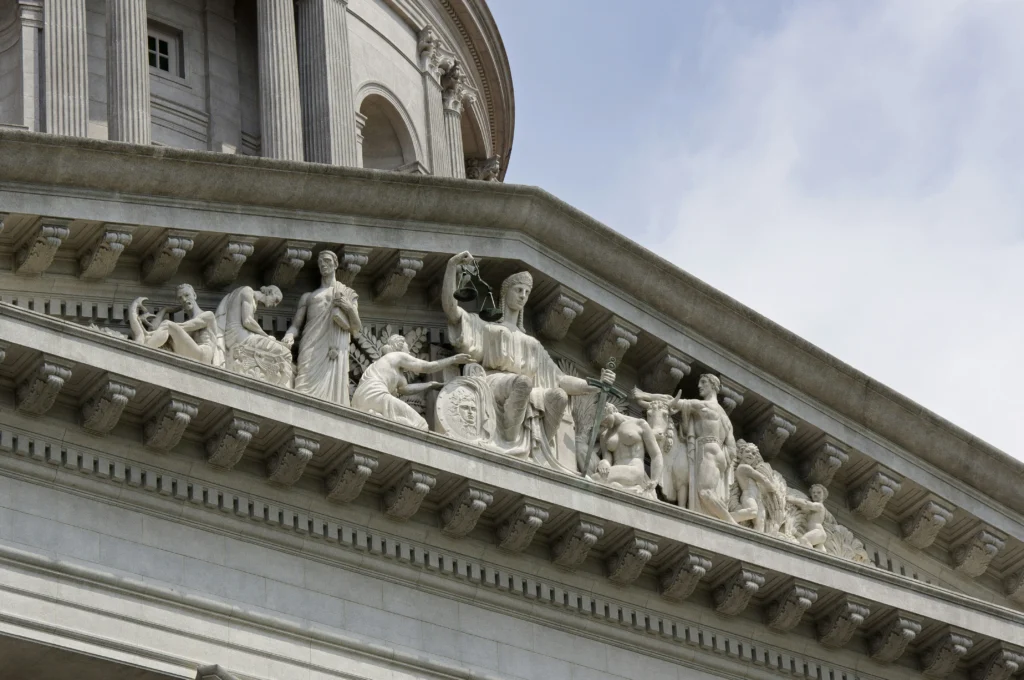
Carved figures were not just add-ons in Baroque plans. They became part of the build itself. Shapes burst out from walls or posts. It was as if they broke loose from rock. This brought out ideas of spirit rising. Builders and artists teamed up closely, chiseling away until the stone seemed to breathe.
How Did Regional Variations Shape Baroque Architecture?
Baroque began in Italy. But it changed in special ways across Europe. Local ways, rulers, and stuff on hand played roles. Each spot added its own twist, making the style feel fresh yet tied together.
Italian Origins: Rome as the Epicenter
In Rome, builders like Bernini and Borromini set early Baroque shapes. They used smooth curves and showy light plays. Their churches stressed height and flow to holy glow. This mirrored ideas of rescue and hope. Rome buzzed with projects back then; scaffolds everywhere, dust in the air from constant work.
French Classicism: Controlled Grandeur
France mixed the style with old-school calm. Architects like Jules Hardouin-Mansart led at Versailles. Even lines took over wild energy. But the size stayed huge. It showed strong king rule over wild feelings. The French version felt more ordered, like a well-drilled army marching in step.
Central European Flourish: Bohemia and Austria
Areas like Prague or Vienna added local flavor to Italian drive. Crafts folks mixed in home-style patterns. This led to bright fronts and fun bends. These differed from warmer lands. The Melk Abbey in Austria shows this mix well. It’s fancy but cozy, like a warm hug from stone. Visitors often linger there, snapping photos of the river views below.
What Are Some Iconic Examples of Baroque Architecture?
A few standout works show how wide-ranging yet linked this style was in Europe’s mix of ways. These spots draw millions yearly, each telling its own tale through stone and light.
St. Peter’s Basilica in Vatican City
Michelangelo first planned it. But Carlo Maderno finished it from 1607 to 1615. It captures top Baroque scale with its giant dome over Rome’s view. Climb to the top on a clear day, and the city sprawls out—endless rooftops under that massive curve.
Palace of Versailles in France
Louis XIV started it in 1661. It turned a hunt spot into a sign of full king power. Endless paths, mirror rooms, and lined-up gardens stretch forever. It’s a place where every fountain and bush was placed just so, guiding the eye across vast lawns.
Church of San Carlo alle Quattro Fontane in Rome
Francesco Borromini built this small spot from 1638 to 1646. It highlights fresh ideas: an egg-shaped layout with wavy walls that feel alive. It’s a lesson in space flow in tight spots. Step inside, and the curves pull you around like a gentle wave.
How Did Baroque Architecture Influence Later Styles?
Baroque’s mark lasted well past its main time around 1750. Its core ideas grew into fresh art forms over lands. Even now, bits of it pop up in unexpected places, reminding us of its staying power.
Rococo Elegance Emerging from Late Baroque
Rococo grew as a softer follow-up. It stressed closeness over big scale. You see this in light-colored rooms with uneven trims. It skipped huge fronts for cozy nooks. Think of it as Baroque’s playful kid sister, full of whimsy but less overwhelming.
Neoclassical Reaction Against Excess
By late 1700s, folks called Baroque too much. Builders swung back to simple old Greek and Roman ways. They kept some space tricks from before. This shift cleaned up the fuss, but the drama lingered in subtle spots.
Modern Revival in Contemporary Design
Today, builders nod to Baroque now and then. Curved glass walls copy smooth moves. Light setups make showy moods. They stir feelings without straight copies. In a new museum I visited, bent walls echoed those old flows, making exhibits feel dynamic without the gold overload.
FAQ
Q1: What time period did Baroque architecture cover?
A: It ran about from 1600 to 1750 over Europe. Then it shifted to Rococo ways later that century. That’s over 150 years of building buzz.
Q2: Who were key figures behind this movement?
A: Folks like Gian Lorenzo Bernini, Francesco Borromini, Guarino Guarini, and Jules Hardouin-Mansart drove it. They handled church and king jobs with skill. Their names still echo in art books.
Q3: How does Baroque differ from Renaissance design?
A: Renaissance stuck to even balance and old classic rules. Baroque chased feelings, motion, and sense pulls with tricky shapes. It was like trading calm talks for exciting shouts.
Q4: Where can one see prime examples today?
A: Top spots are St. Peter’s Basilica in Vatican City, Versailles Palace in France, Schönbrunn Palace in Austria, and San Carlo alle Quattro Fontane in Rome. Plan a trip; tickets sell out fast in peak seasons.
Q5: Why is this style still relevant?
A: Its focus on feeling links through space keeps shaping new builders. They want deep dips beyond plain use. In our fast world, that emotional pull feels timeless.