
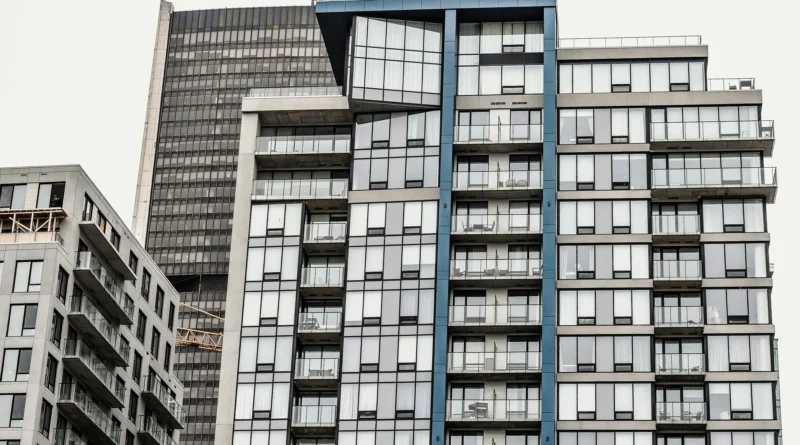
What Defines A Great Exterior Facade
A building’s exterior facade does more than just make a visual impact. It acts as a smart mix of looks, function, and lasting strength. When you see a nicely planned structure, the outer layer often shapes how folks view its worth and role. This holds true for office towers or home buildings alike. The choices in materials, sizes, and small touches in the facade cladding can lift a design from plain to memorable. This piece looks at what makes a strong exterior facade. It covers basic design ideas, picking materials, green practices, and how well it works.
How Does Design Influence The Character Of A Facade?
Design forms the base of any solid exterior facade. It sets the sizes, flow, and way it plays with sunlight. The builder’s choices on shapes and outer finishes decide how the structure talks to people around it.
Architectural Proportion And Visual Balance
A nicely tuned facade keeps to proper sizes and evenness. At the same time, it fits the nearby area. For instance, high structures often feature upright lines to highlight their tallness. On the other hand, flat lines bring a sense of peace in home plans. Small changes in feel or shade can stop boredom on big flat areas. Facade cladding systems, from rock slabs to metal mixes, help a lot here. They give options for easy fitting pieces. Think of a city skyscraper where these lines draw the eye upward without feeling overwhelming.
Integration With Surrounding Context
No outer layer stands alone. Smart planning blends it with the spot around it. It does this without copying everything exactly. In crowded city spots, shiny glass can cut down on heavy looks. In old town areas, brick or clay coverings keep ties to past buildings. You spot this style in lots of European towns. There, new fronts rework old shapes with fresh stuff. It’s like how a modern shop front in Paris nods to classic stone walls but uses clean lines for today.
Expression Of Function And Identity
A top facade should hint at what’s going on within. Office centers might pick smooth aluminum or glass to show fresh ideas. Art spots could go for rough concrete or wood to feel welcoming and real. The set of materials turns into a way to tell a story. It’s a quiet yet strong tool for marking a place. In one project I recall from a trade show, a tech firm’s facade used wavy metal to mirror their innovative vibe, drawing in clients right away.
What Role Do Materials Play In Facade Quality?
Choosing materials sets both the style and toughness. The best mix makes sure it lasts long. It also aids in saving energy and easy upkeep.
Durability And Maintenance Performance
Materials for outer cladding need to handle years of sun, water, and dirt. Metals such as aluminum or zinc fight off rust well. Real stones give endless staying power, but they need sealing now and then. High-pressure laminates mix price with toughness nicely. Picking easy-care surfaces cuts costs over time. This point gets missed too often at the start of planning. For example, in rainy spots like Seattle, zinc panels have shown they hold up for over 50 years with little fix-up.
Thermal And Acoustic Properties
More than just looks, materials affect how comfy it is inside. Filled panels boost heat control by cutting warmth movement through walls. In loud city places, mix cladding with mineral wool insides blocks noise. It does this without making things thicker. I’ve seen reports from builders where these setups dropped noise by 40 decibels in busy streets, making offices quieter for workers.
Aesthetic Versatility And Customization
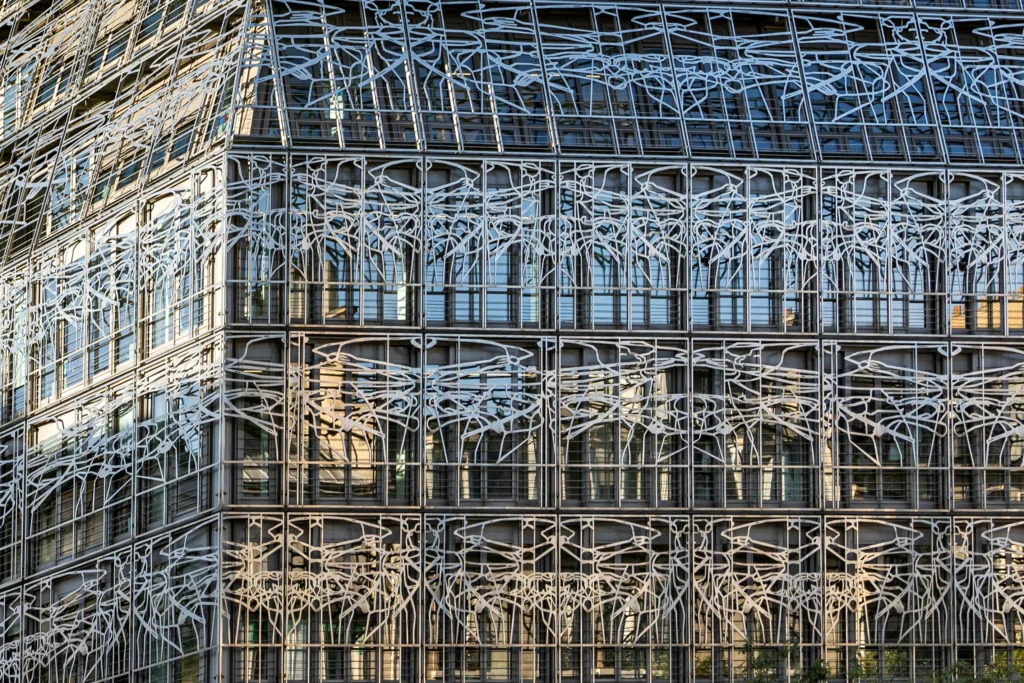
Today’s making methods let builders order special shades, holes, or feels for metal sheets and clay tiles. This range aids in fun creation while keeping tech accuracy. Many famous works use custom facade panels. They make light effects that shift as the day goes on. Picture a museum where perforated metal catches sunset rays, creating patterns that change every hour—it’s a simple trick that adds life.
Why Is Sustainability Central To Modern Facade Design?
Being green isn’t a choice anymore. It’s key to good building work. Outer layers now help control the weather actively. They aren’t just covers.
Energy Efficiency Through Smart Systems
Double-layer facades and air-flow rainscreen setups boost energy use. They make space for air that steadies heat changes. These parts cut the need for machine cooling or warming. They keep inside spaces comfy all year. In one UK study from 2020, such systems saved 25% on bills for a mid-size office block.
Recyclable And Low-Impact Materials
Builders now pick metals like aluminum or steel that can be reused many times. They keep their good shape after cycles. Wood from checked forests gives fresh picks for cozy looks. It avoids harm to nature. Interestingly, some projects mix in recycled glass bits for extra sparkle without extra waste.
Adaptation To Climate And Orientation
Planners adjust fronts based on sun paths. Shade pieces on south sides cut bright light. Pale colors bounce back heat in warm lands. Darker ones take in warmth in cool areas. These tweaks boost green goals without hurting style. For a building in hot Arizona, adding overhangs dropped inside temps by 10 degrees on peak days.
How Does Technology Shape Contemporary Facade Construction?
New tech tools have changed how fronts are thought out and put together. This goes from shape-based planning to machine-made parts.
Parametric Design And Simulation Tools
Shape software helps builders try out changes fast. They check light entry, air movement, or build stress before starting work. This guesswork leads to better plans with less waste. In practice, teams using these tools cut errors by half, based on a 2022 industry survey.
Prefabrication And Modular Assembly
Made-ahead facade parts speed up build times. They also raise quality checks. Units show up ready to fit, cutting mess in busy city builds. This lowers risks for workers on tall jobs. One contractor shared how modular panels finished a hotel facade in weeks, not months.
Integration Of Smart Sensors And Systems
Some new fronts add watchers for heat or dampness. They tweak shade tools on their own for best comfort and power savings. These clever covers mix building art with tech. The area grows quick. Early tests show these systems can trim energy use by 15% in variable weather.
What Are The Key Challenges In Facade Cladding Projects?
Even pros run into tough spots in making high-work facades. This comes from pulls between shape, price, and rule follows.
Balancing Cost With Performance
Top materials bring gains over time but cost more at first. Builders need to prove value with long-run checks. These show less fix-up bills over years. It’s a balance—spend now to save later, as one engineer put it after a costly but durable project.
Meeting Fire Safety Regulations
Fire hold-back matters a lot in tall builds. Cladding parts must pass hard tests like EN 13501-1 in Europe or ASTM E84 in North America. Picking non-burn cores in mix panels keeps rules met without cutting style. Recent rules after big fires have pushed more tests, ensuring safer outcomes.
Managing Weatherproofing And Moisture Control
Bad work on joins can let water in. That’s a top reason fronts fail. Steady air blocks plus even-pressure space setups keep strength under rain or wind. Proper seals around windows, for instance, have prevented leaks in coastal builds for decades.
How Do Cultural And Regional Factors Affect Facade Design?
Local ways shape building looks around the world. What fits one spot might seem off in another. Culture adds a layer of meaning.
Local Material Traditions
In sunny Mediterranean lands, stone stays common. It’s easy to get and holds heat well for steady inside temps on hot days and cool nights. Nordic builders like wood covers. This ties to old skills fit for cold weather. In Italy, limestone facades not only look classic but also stay cool naturally— a practical choice passed down generations.
Climatic Response Strategies
Area weather sets real picks. Dry desert spots use thick brick walls with few holes. Warm island areas like light air-flow fronts for better breeze. Mild lands mix warmth hold with light entry via window sizes tuned to sides. These steps make sense for the place.
Symbolic Representation In Modern Architecture
Besides use, there’s meaning. Fronts often show town pride or company spirit via patterns or colors from local designs. This touch helps structures connect with folks. It stops them from feeling foreign. In Dubai, facades with Islamic patterns blend old symbols with sleek glass, creating a sense of rooted progress.
FAQ
Q1: What Is The Primary Purpose Of Facade Cladding?
A: It guards main parts from weather harm. At the same time, it adds nice looks and heat control in various weather types.
Q2: Which Materials Are Most Commonly Used For Modern Facades?
A: Aluminum composites, glass curtain walls, natural stone veneers, fiber cement boards, and terracotta panels see wide use. Choices depend on what the job needs.
Q3: How Does Rainscreen Cladding Improve Building Performance?
A: It forms an air space behind outer sheets. This lets water drain and air move. Thus, it stops wet build-up in wall parts.
Q4: Can Sustainable Facades Reduce Energy Costs Significantly?
A: Yes. Good air-flow setups with right fill can lower heat or cool needs by up to 30%. This comes from case looks by Building Research Establishment between 2019 and 2023.
Q5: What Are Emerging Trends In Exterior Facade Design?
A: Moving shade tech with moving parts, sun-power panels that make power on site, and nature-based stuff like mycelium mixes lead the way. These shape green fronts everywhere.