
What Is Environmentally Friendly Architecture And Why It Matters
Green architecture shapes modern building in big ways. It goes beyond making structures that simply look nice. Instead, it focuses on creating places that care for nature, save power, and boost people’s health. From the outside walls to the stuff used inside and the setups there, every choice in this kind of design affects the world’s future. This piece looks at main questions about the method and what it means for folks in the field.
How Does Environmentally Friendly Architecture Differ from Traditional Design?
Sustainable architecture changes how buildings connect with their areas around them. Traditional design often puts looks or cheap costs first. But green architecture mixes in nature rules right from the beginning. You notice this clearly in plans for air flow, natural light, and power setups. Architects think about these before drawing the first sketch.
Integration of Energy Efficiency
Saving energy forms the heart of eco-building plans. Builders use simple sun methods, strong wall fillers, and clever window spots to lower needs for heat and cool air. Such buildings can drop power use by as much as 50%, based on info from the U.S. Department of Energy (2023). This leads to cheaper running costs. Plus, it means less harm to the air over years. Take a basic home in a sunny spot. It might use south-facing windows to catch warmth in winter, cutting down on heaters. In summer, shades block extra heat. These small tricks add up big time.
Material Selection and Life Cycle Impact
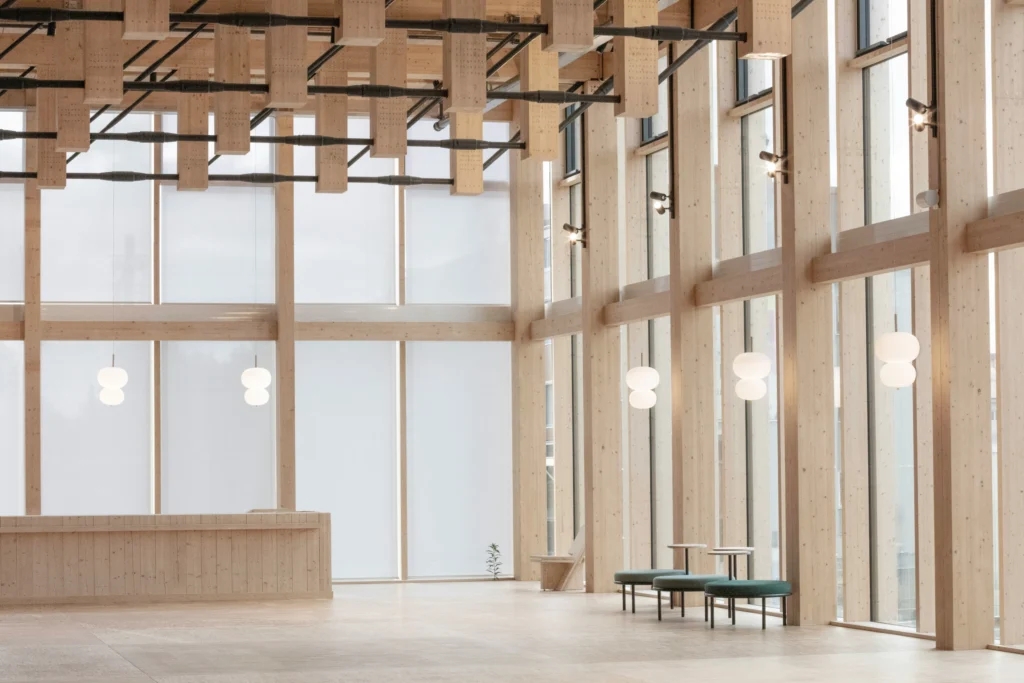
Picking stuff with low built-in energy helps cut harm to nature during making and moving it. Things like reused metal or wood from careful sources do the job. Now, top companies use life cycle assessment (LCA) as a regular step. They check long effects before starting to build. For instance, old wood for outside walls cuts trash. It keeps a cozy look and feel too. I recall a project in Seattle where they reused beams from an old factory. It saved money and gave the place a story, like history mixed with new life.
Relationship Between Design and Ecology
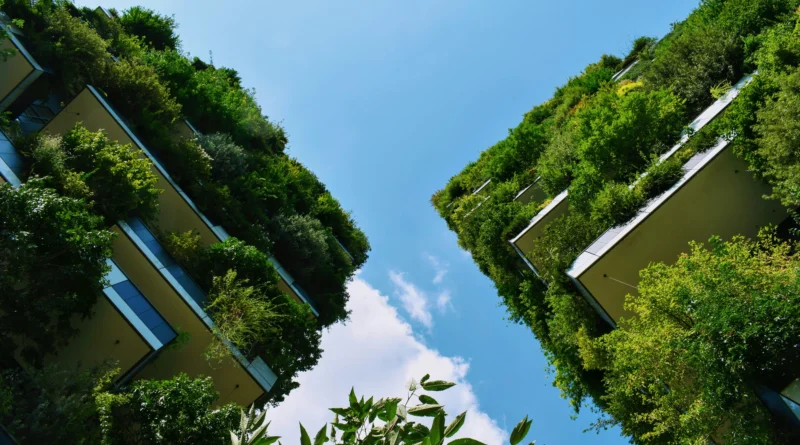
Green architecture sees each job as part of a bigger nature setup. Plans that fit the spot keep changes to local plants and animals small. Green tops or wall gardens bring back wild life in busy city spots. So, building acts as a bridge between people’s ease and nature’s steady ways. It stops being a troublemaker. Think of a park-like roof on a city office. Birds nest there, and workers feel calmer during lunch breaks.
Why Is Sustainable Building Important for Urban Development?
Cities grow fast these days. This makes green ways key for their lasting health. Buildings cause about 40% of world CO₂ output (IEA, 2022). So, moving to nature-friendly designs helps meet air clean goals straight on. When towns take up these standards, they cut dirt in the air. They also make life better for people living there. It’s like giving cities a fresh start amid all the rush.
Reduction in Carbon Emissions
Each green building helps lower air pollution with smart setups and clean power add-ons. Sun panels, earth heat systems, and wind air flows are common now, not just ideas from books. Over years, these tools turn whole areas into spots with little carbon. Picture a neighborhood in Denmark. Homes there use wind from nearby turbines. Folks pay less on bills, and the air stays clearer for kids playing outside.
Healthier Indoor Environments
Air inside usual buildings can get bad from fake stuff giving off harmful gases (VOCs). Eco-buildings pick fresh air paths and safe paints to keep spaces healthy. This helps work focus in offices. It aids rest in houses too. Builders see this more and more as a plus. In one school I read about, better air meant fewer sick days. Kids learned better without stuffy headaches.
Long-Term Economic Benefits
Upfront prices might run higher for green spots. But they save a lot later on power and fix-up costs. Folks putting in money like the badges such as LEED or BREEAM. These show care for the earth. Renters and buyers want that now around the globe. It’s smart business, really. A hotel chain switched to green ways and saw guests come back more, drawn by the fresh vibe.
What Role Does Technology Play in Eco-Friendly Architecture?
Tech pushes new ideas in green building harder than before. Computer models let planners test how the place will work with nature early on. This brings exact results without extra tries that waste time and stuff. Sometimes, it’s trial and fun, but tech makes it smoother.
Smart Building Systems
Sensors in lights, air handlers, and water controls adjust on their own. They watch who is there or what the weather does. These setups change as needed. They cut extra power while keeping folks comfy. In a busy mall, lights dim when no one’s around. It saves watts without anyone noticing.
Building Information Modeling (BIM) Applications
BIM tools help teams work together. Engineers, artists, and builders share fresh info all the time. This clear view cuts waste in building. It also helps manage the place better after it’s done. One firm used BIM for a hospital. They spotted pipe clashes early, saving weeks of rework.
Renewable Energy Integration
New plans mix clean power sources right into the look. Roof sun setups or tiny wind turners fit into shades or wall parts. These turn still spots into power makers for the building’s own needs. A office tower in New York has panels that blend with the glass. It powers lights and feels modern, not clunky.
How Do Materials Influence Environmental Performance?
What you pick for stuff sets the look and the earth mark. Strong parts that last without quick swaps fit green aims. They cut use of new resources over time. It’s about picking wisely, not just cheap.
Recycled and Renewable Materials
Reused metals or fast-growing bamboo floors show how to keep resources looping in building work. Bamboo shoots up quick with little bad chemicals. It’s a top pick for green today. In a cafe build, bamboo walls added warmth. Guests loved the natural touch, and it grew back easy.
Low-Emission Construction Components
Paints, glues, and seals with low VOCs stop inside dirt. They meet rules like WELL Building Certification needs. In homes, this means kids breathe easier without weird smells.
Adaptive Exterior Facade Systems
A changing outside wall handles heat by shifting shades or air based on sun all day. It mixes smart building with nature smarts. This balances light and warm feel well. A museum in Spain uses one. It cuts cool air needs by half on hot days.
How Can Architects Balance Aesthetics with Sustainability?
Makers of designs often juggle art ideas with earth duties. But these mix well when thought out right. They support each other. It’s not a fight, more like a team.
Biophilic Design Principles
Adding nature shapes, like curves from hills, links people to their spot. Feels tie folks to outside. Research says these bits lower stress by up to 15%. They help mind health with pretty views. An apartment block with plant walls makes city life feel less boxed in.
Functional Minimalism
Simple designs skip extra stuff but keep grace. Straight lines with good bone work show smart limits. It’s a sign of today’s green ways. Less is more, and it works.
Contextual Harmony with Surroundings
Spots that match their area, using local rock covers or plant walls, build community feel. They fit into nature flows without bossing them. A house in the woods with stone from nearby blends right in. Neighbors say it looks like it grew there.
What Are Future Trends Shaping Sustainable Architecture?
The coming ten years bring big shifts from rules, science steps, and people waking up to warm earth problems. It’s exciting, though a bit scary too. Change is coming fast.
Circular Economy Applications in Construction
Loop ideas target no trash by reusing broken bits for fresh jobs. This changes how things move in fields past just recycle. Old bricks become new paths. It’s like a cycle that never ends, keeping earth happy.
Net-Zero Energy Buildings Becoming Standard
Law makers push for spots that make as much power as they use each year. Hitting this needs team work on shape, machine smarts, and how users act. By 2030, many places will require it. A small town in California already tests this. Homes there run on sun and feel free from bills.
Urban Green Infrastructure Expansion
Towns add green spots on roofs or tree walls in tall builds to fight hot city air. This links wild paths in packed areas. Milan’s Bosco Verticale started this in 2014. It works well, with birds and cleaner breezes.
FAQ
Q1: What defines environmentally friendly architecture?
A: It means making structures that cut earth harm with smart resource use, clean power takes, and fit with nature systems over their full time.
Q2: How does an exterior facade contribute to sustainability?
A: A good outside wall handles heat without machines by managing sun entry and air move. It uses stuff that can reuse and lasts long without bad effects on nature.
Q3: Are eco-friendly buildings more expensive initially?
A: Yes, starting costs can go up from better stuff or tools. But savings from less power use pay it back in a few years often.
Q4: Which certifications validate green building practices?
A: Usual ones are LEED (Leadership in Energy & Environmental Design), BREEAM (Building Research Establishment Environmental Assessment Method), and WELL for health checks.
Q5: What innovations will dominate future sustainable design?
A: Look for smart walls with AI watchers, loop stuff cuts to drop trash a lot, and zero-net rules in country build laws by 2030 per UNEP Report 2023.