
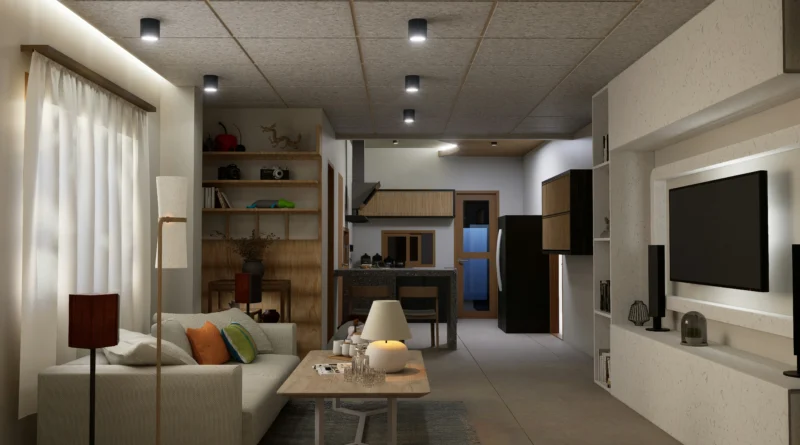
What Are the Secrets of Professional Home Design
Professional home design goes far beyond just looking nice. It blends architecture, psychology, and practical use in a smart way. When you step into a well-made home, every spot feels planned out. The mix of looks and usefulness comes from thoughtful work, careful size control, and smart choices of stuff. This piece looks into the main ideas that shape professional home design. It also shows how you can use them to build rooms that feel cozy and last for years.
What Makes a Home Design Truly Professional?
A professional home design does more than scratch the surface with style. It thinks about how folks move around in a space. It checks how light plays with different materials. Plus, it sees how each room links up with the people who live there on an emotional level. In these homes, moving from one room to the next feels smooth. Color choices match up well across the place. Textures bring some interest without making things too busy.
Spatial Planning and Flow
Spatial planning sits right at the center of any professional home design job. It decides how well a space works and feels to be in. A good setup lets people go from one spot to another in a natural way. Think about going from the kitchen to the dining area or from the living room to the patio. It happens without any hitches. Open floor plans are big these days. They help people chat more and let in plenty of natural light. But even in those open spots, small tricks like placing furniture just right or changing ceiling heights keep things tidy. I recall a project where we added a low partition in an open kitchen. It separated the cooking zone from the seating area without blocking the view. That small change made the whole space feel more organized for a family with young kids.
Lighting Design
Lighting can really lift or ruin the feel of a home. Experts see lighting as both a creative skill and a careful study. They layer different types: basic room light, focused work light, and highlight spots to add layers. They always try to use natural light first. It boosts moods and cuts down on power use. A window facing north works great for steady day light in a work studio or quiet reading corner. After the sun goes down, softer fake lights can make bedrooms feel warm and welcoming. In one cozy apartment I know, we installed sheer curtains on east windows. They let morning sun filter in gently, waking up the space without harsh glare.
Material Selection and Texture
Materials say a lot about quality and ease. Pros often blend different feels, like sleek marble next to soft linen or shiny wood with dull metal. This mix creates a nice even look. How things feel to touch counts as much as how they look. A stone counter feels sturdy when you rest your hand on it. That builds a sense of lasting strength. Eco-friendly picks like bamboo floors or tiles from reused glass show today’s design values. These choices help the planet and add a fresh touch. For instance, in a beach house redesign, we used weathered driftwood panels. They brought in that salty ocean vibe while being tough against humidity.
How Does Functionality Influence Aesthetic Choices?
Practical use shapes every style pick in professional home design. The prettiest homes also work well for everyday life. They fit into routines without losing their charm. Designers often start with how a family lives. Then they build beauty around that base.
Ergonomic Layouts
Designers pay close attention to human size. Countertops sit at a height that matches most people’s arm length. Chairs give good back support. Paths let you walk freely, even with bags or plates in hand. In kitchens, the work triangle idea still holds up. It links the sink, stove, and fridge in a tight loop. This cuts down on extra steps while you cook. Picture a busy mom prepping dinner. With the setup right, she grabs ingredients without stretching too far. That saves time and lessens strain over years of use.
Storage Integration
Smart storage sets pro designs apart from home tries. Built-in cabinets tuck away mess while keeping lines clean. Drawers under stairs or shelves set into walls use space well. They don’t add extra bulk. The aim is to make sorting things out easy and out of sight. In a small city flat, we hid pull-out pantry units behind paneled doors. It freed up floor space for a dining table, turning a cramped kitchen into a welcoming spot for guests.
Adaptability Over Time
A pro home design plans for shifts in life. Families get bigger. Tech changes fast. Ways of living switch up. Rooms that can turn into guest spaces or furniture that moves around help homes adjust. They avoid the need for big fixes later. Think of a young couple’s first home. We added walls that slide open. It worked as one big play area now, but can split into separate rooms when kids arrive.
Why Is Lighting Considered the Soul of Home Design?
Lighting brings out the real shape of a building. It shapes walls and shows off textures. It also changes how colors look as the day goes on. Without good light, even the best setup falls flat. Pros know this and build around it from the start.
Natural Light Utilization
Experts study the sun’s path when picking window spots or adding skylights. They aim to grab the best daylight. At the same time, they dodge too much shine or extra heat. Glass facing south might need shades to block strong rays. High clerestory windows light up inner rooms in a graceful way. In a mountain cabin, we placed skylights over the central hallway. They pulled in soft afternoon light, making the whole place feel brighter and more connected to the outdoors, even on cloudy days.
Layered Artificial Lighting
Each light type has its job. Basic lights fill the room overall. Task lights zero in on jobs like reading or chopping veggies. Accent lights spotlight art pieces or special building features. Dimmers let you switch moods quick. You can go from bright for a party to soft for movie night in moments. We’ve seen homes where smart bulbs link to apps. They adjust based on time or voice commands, adding that extra ease.
Energy Efficiency Considerations
Today’s designers pick LED setups for their long life and low power draw over old bulbs. Smart controls tie into home systems. They make things handy and save energy. In one eco-home project, we swapped all fixtures to LEDs. The bill dropped by 40% in the first year, and the warm glow kept the cozy feel intact.
What Role Do Color Theory and Psychology Play?
Colors affect feelings in ways many homeowners don’t catch. Pros use color rules on purpose. They pick based on how shades impact the mind, not just what looks good. It’s like painting emotions into the walls.
Warm vs Cool Palettes
Warm shades like reddish terracotta or yellowish ochre bring a sense of ease and togetherness. They fit living rooms where people gather. Cool colors such as grayish blue create peace. They work well in bedrooms or baths. In a family den, warm tones made chats feel lively. But in a home office, cool blues helped focus during long work hours.
Contrast and Balance
Good contrast keeps things from getting boring. But it stays in check to avoid mess. Pair plain walls with a few strong pops. This holds your eye without tiring it. Too many bold spots wear you out. Not enough makes it dull. We once balanced a bold rug with soft walls in a playroom. It sparked joy for kids but didn’t overwhelm parents.
Cultural Context of Color
Designers think about what colors mean in different places. White stands for clean starts in some spots. But it means sadness in others. They make sure clients feel right at home no matter where they’re from. For a global family, we chose earthy tones that nod to various heritages without clashing.
How Do Sustainability Principles Shape Modern Home Design?
Being green is now a must for pro work in design. Clients want choices that help the earth without cutting style. It’s about smart living that lasts. Pros weave this in early to avoid add-ons later.
Energy-Efficient Architecture
Solar setup uses the sun’s path to cut heating bills. It catches winter rays for warmth. Then it shades out summer sun with planned roofs or plants. In a desert home, overhangs blocked peak heat. Inside stayed cool naturally, saving on AC use by half.
Sustainable Materials
Wood from old buildings or paints with low bad smells improve air inside. They cut down on factory waste too. Bamboo grows quick and strong. It’s a top pick for floors that feel warm underfoot. We used reclaimed oak in a kitchen remodel. It added character and cut the carbon footprint nicely.
Water Conservation Systems
Tanks that catch rain feed garden sprinklers. They blend yard beauty with care for water. In dry areas, this setup waters plants without tapping city lines. One yard we did collected 500 gallons per storm. It kept the lawn green through dry spells effortlessly.
What Are the Key Elements That Define Timeless Interior Style?
Fads come and go fast. But what lasts builds on even sizes instead of flashy tricks. It’s about basics that feel right over time. Homes like this age well, much like a favorite book you reread.
Balanced Proportions
Old-school evenness still shines in simple looks. A couch right under a picture brings quiet calm. Your mind picks up on that neat feel as classy. In a classic living room, we centered the coffee table. It tied the space together without trying too hard.
Quality Craftsmanship
Strong finishes hold up as they get older. They don’t break down quick. Hand-made wood work shares tales that machines can’t match. A solid oak door we fitted lasted decades. Its patina grew more appealing with each year.
Subtle Detailing
Ceiling edges painted to match walls ease room shifts softly. They don’t shout for notice. It’s a quiet sign of good taste over too much show. In a understated hall, simple trim added warmth without fuss.
FAQ
Q1: What distinguishes professional home design from DIY decoration?
A: Professional design mixes space smarts, body-friendly setups, light know-how, and mind effects into one smooth place. It goes past just picking pretty items.
Q2: How can lighting improve small spaces?
A: Layered lights with shiny surfaces make tight rooms seem bigger. Light bounces around even, without harsh spots. In a tiny studio, wall mirrors doubled the glow from one lamp. It felt twice as open right away.
Q3: Are sustainable materials more expensive?
A: At first, they may cost a bit more because of where they come from. But they last longer and save money over time. Studies from the U.S. Green Building Council in 2022 back this up with real numbers.
Q4: Which color palette suits open-plan living areas best?
A: Start with plain backgrounds. Add soft warm touches. This keeps flow across areas. It lets you change decor easy if tastes shift. For a wide living-dining combo, beiges with rust hints worked wonders for unity.
Q5: How do professionals maintain client personality within structured design frameworks?
A: They turn daily habits into room stories. Custom spots for book fans or sound tweaks for music lovers fit personal touches. It blends unique style with pro order. In one case, we built a nook for a collector’s stamps. It felt personal yet part of the whole tidy home.