
Why Are Cottage Style Homes Trending Again
Cottage style homes are seeing a solid comeback in design and real estate fields. Their cozy draw, touch of history, and ease in matching current living habits have captured the hearts of plenty of homeowners and designers. This article digs into the causes behind these quaint little houses gaining fresh popularity. It touches on their core design features, cultural impacts, and spot in the modern housing world. You know, it’s funny how these places show up in faded family albums, stirring up happy thoughts for people raised in like settings.
What Defines a Cottage Style Home?
Cottage style homes catch the eye with their friendly atmosphere, compact build, and crafted details. Before jumping into the reasons for their current buzz, it’s key to grasp what makes them different from other house styles.
Architectural Characteristics
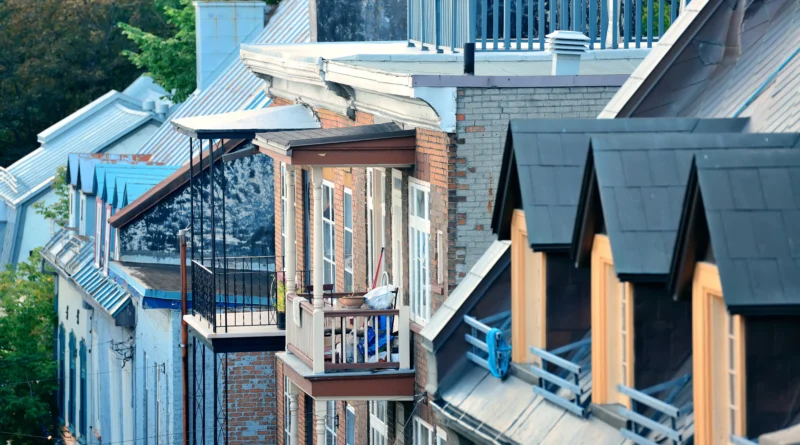
Cottage style homes generally sport steep pitched roofs, projecting dormer windows, and textured siding from stone or wood shingles. Step inside, and you’ll find exposed timber beams, custom wall shelves, and warm hearth fireplaces that build a homey mood. Such dwellings put comfort first, ahead of flash. They provide intimate areas that look settled and genuine, far from posed display setups. In practice, this means rooms where sunlight filters through small panes, casting soft patterns on uneven floors.
Interior Design Elements
Within a cottage home, mild hues lead the way—envision creamy tones, soft greens, and subdued blues. Basic items such as oak planks for floors and simple linen drapes build an earthy style that endures. Many current residents blend antique furnishings with up-to-date pieces. And so, they achieve a pleasant fusion of yesterday and today. Take, say, a scuffed oak stool beside a sleek bulb fixture; it turns a space into something truly inviting. Over time, this mix helps avoid dated looks, keeping things fresh without big overhauls.
Landscaping and Outdoor Spaces
The true hallmark of cottage style life lies in the bond between indoor rooms and garden spots. Lawns fill out in a relaxed manner, brimming with homegrown blooms and curving gravel walks. Front porches or shaded verandas function as bridges from dwelling to outdoors. Right there, one might enjoy a hot brew at dawn amid the greenery. It resembles entering a private haven of quiet, though noisy birds might interrupt the calm now and then. Gardeners often add bird feeders, drawing in wildlife that adds life but sometimes scatters seeds everywhere.
Why Are Homeowners Rediscovering Cottage Style Charm?
The renewed draw to cottage style homes stems from real shifts. It connects to wider societal moves on views of ease, eco-friendly ways, and personal identity within living areas.
Desire for Comfort and Simplicity
In this time of constant devices and bare, basic setups, lots of people seek true coziness and honesty. Cottage style homes provide exactly that via feelable materials, varied surfaces, and unique custom notes that set each area apart. This approach favors a laid-back rhythm. And people hold that dear amid hectic town paces. Consider an average Saturday: nestling near the flames with a novel seems a universe apart from endless screen time. Real estate agents note how buyers often mention wanting spaces that encourage unplugging, like nooks for quiet reflection.
Influence of Media and Pop Culture
Shows on streaming platforms about rural escapes or town overhauls have sparked renewed fondness for cottage vibes. Ranging from classic British rural homes to seaside U.S. bungalows, these programs sketch a charming view of straightforward days laced with appeal. Beyond broadcasts, online platforms overflow with short videos of fast changes, such as revamping a grimy loft into a sunny book corner using basic supplies and greenery. These clips, viewed millions of times, inspire weekend DIY projects that mimic the screen magic.
Reaction Against Modern Minimalism
Over the past decade, stark pale surfaces and rigid forms shaped house fashions. Today, cottage style serves as a counter: quirks paired with charm. Notice it on unevenly coated seats or bold, uneven prints that reveal the residents’ tastes. The point is to shine individually, rather than merge with the crowd. A certain interior expert once put it plainly—crowds grow weary of flawless, craving abodes that share tales. Industry talks at design fairs often highlight how this backlash drives sales of textured wallpapers over smooth ones.
How Have Modern Adaptations Changed Cottage Style Homes?
The core of cottage existence remains in warmth and expert crafting. Yet, recent versions have developed to align with present demands for earth-kind picks and daily practicality. Such updates preserve the vintage essence while slipping in clever solutions. Builders share stories of blending old blueprints with new tech, creating homes that feel both timeless and tomorrow-ready.
Sustainable Materials and Energy Efficiency
Today’s cottage makers frequently choose recycled lumber, repurposed glass tiles, or effective padding that cuts energy use. Sun-powered sheets could rest subtly on classic rooftops. All this proves that planet care pairs nicely with heritage appearances. Actually, certain fresh constructions slash power costs by as much as 30 percent, drawing from data in construction reports. Homeowners in sunny areas, for one, report quicker payback on solar installs, often within five years of setup.
Open Floor Plans with Traditional Details
Fresh layouts combine spacious inner flows with classic flair. Workers remove unneeded barriers to improve traffic. Meanwhile, they hold onto features like paneled sides or patterned overheads. Thus, the structure clings to its roots. Picture prepping meals in a cook space that opens to the lounge, complete with aged wood edges from past generations. This setup not only aids family gatherings but also makes cleaning simpler, a big plus for busy lives.
Smart Technology Integration
Admirers of traditional paths still appreciate useful gadgets. Intelligent dials for temperature or bulbs now blend into cottage frames. They remain hidden after coarse barriers. Devices operate softly. They bring convenience sans spoiling the rural charm. As an example, spoken orders might lower brightness on a damp night for films, with no cords in view. Tech firms boast how their hidden systems let users control everything from phones, yet keep the handmade door knobs intact.
What Role Does Location Play in the Popularity of Cottage Style Homes?

The pull of cottage style construction stretches beyond farmland. It adapts smoothly to neighborhood outskirts or compact urban developments.
Urban Cottages for Compact Living
Within cities short on area, downsized cottages deliver wise arrangements. They avoid a crowded sensation. Clever hiding spots, such as cushioned storage or elevated rest zones, make the most of square footage. Interiors remain tidy. Envision an urban lane with a petite cottage featuring a pull-out work surface, shifting a nook to a workspace instantly. City planners praise these for fitting zoning rules while offering green roofs that cool summer heat.
Suburban Revival Projects
Teams restoring dated districts commonly select cottage-inspired schemes. These harmonize with current builds. Further, they attract shoppers favoring appeal over vastness. Such efforts inject vitality into still lanes, frequently lifting property prices by 15 to 20 percent over short periods, per housing figures. Developers in places like quiet Midwest towns recount how these revamps turn empty lots into lively communities, complete with shared gardens.
Rural Retreats for Remote Workers
Work from afar surged following 2020 (source: Pew Research Center). Numerous employees hunt for rural cottages as primary dwellings or brief escapes. This arrangement weds tasks with serenity. It scores high on concentration and relaxation. A typical tale involves a software specialist relocating to a forest-edge cottage, where top thoughts arise on paths through surrounding trees. Surveys show about 40 percent of remote staff prefer such spots for better work-life balance, away from office noise.
How Do Cottage Style Homes Reflect Broader Cultural Shifts?
Beyond surface appeal, this movement reveals deep alterations in societal priorities—such as eco practices, self-expression, and inner peace.
Sustainability as Lifestyle Choice
Opting for a more modest dwelling trims resource needs. Consider reduced heating fees or fewer construction goods. This fits the climbing planet concern in younger shoppers (source: U.S. Green Building Council). Truth be told, amid oversized abodes everywhere, picking compact stands as a subtle push for brighter futures. Eco groups point out how these homes lower carbon footprints by 25 percent on average compared to larger types.
Emotional Connection to Space
Individuals presently regard residences as refuges, beyond financial assets. Cottage layouts aid this via tangible finishes and nostalgic designs. They recall ancestral ties or youthful times. Resembling how groaning wood planks murmur histories from decades prior, each footfall gains meaning. Psychologists link this to lower stress levels, as textured walls invite touch over sterile surfaces.
Shift Toward Local Craftsmanship
The revival aids talented makers too. Consider custom ground coverings, tailored storage units, or timber from close sources. This signals a preference for the effort in creation, over hasty assembly lines. Area stores frequently recount their items landing in these houses, weaving in group spirit. Artisans at local markets note a 50 percent jump in orders for hand-forged hardware since the trend kicked up.
What Challenges Come with Owning a Cottage Style Home?
Despite their appealing traits, these abodes pose distinct hurdles in care and suitability. Prospective owners ought to ponder them closely. Real estate advisors often advise budgeting extra for surprises, like weather wear.
Maintenance of Older Structures
Vintage cottages demand consistent attention owing to aged elements like timber cladding or initial panes. Repairs must balance heritage guard with fresh improvements. True talent is required. Overlooking inspections might let minor issues swell, such as a dripping cover post downpour. Experts recommend annual checks, which can prevent costs from doubling in wet climates.
Limited Space for Growing Families
Modest layouts suit duos or small units well. However, they might pinch as young ones expand. Certain dwellers counter by attaching extra wings or reshaping upper levels into rest areas. This maintains overall poise. Households could begin at around 1,000 square feet, then expand as demands evolve. Architects suggest modular additions that grow with the family, keeping the original charm.
Cost Versus Value Balance
Smaller forms yield cheaper initial outlays per area than lavish large ones. Still, fine inner finishes might hike renewal tabs without careful strategy. It forms a give-and-take. Wise forethought, like selecting lasting coatings upfront, aids in holding expenses down over years. Finance reports indicate that while upfront savings appeal, long-term value rises with quality choices, often yielding 10 percent better returns on resale.
FAQ
Q1: What Is the Average Size of a Cottage Style Home?
A: Most range between 800–1,500 square feet depending on region and layout preferences; however newer versions may extend slightly larger without losing intimacy.
Q2: Are Cottage Style Homes Expensive to Maintain?
A: Maintenance costs vary; older cottages may need regular exterior care due to natural materials like wood shingles but modern builds using composites reduce long-term expenses.
Q3: Can You Build a Modern Cottage in Urban Areas?
A: Yes—many architects adapt traditional proportions into compact city lots using sustainable materials while preserving hallmark features such as pitched roofs or bay windows.
Q4: What Colors Work Best for Cottage Interiors?
A: Soft neutrals paired with muted pastels—cream walls accented by dusty rose or sage green trims—create warmth without overwhelming small rooms.
Q5: Is Investing in a Cottage Style Home Worth It Long-Term?
A: For buyers valuing character over scale and energy efficiency over excess space, these properties hold strong resale appeal due to timeless aesthetics combined with sustainable living trends.