
Are Barn Style Houses Cheaper Than Traditional Homes
Barn style houses have turned into a favored building pick for folks in the countryside and even city edges. Their old-timey look, wide-open insides, and bendy setup choices draw in people who like roomy spots and practical use. But one question keeps popping up: do barn style houses really cost less than regular homes? This piece looks into the money side, stuff used, worker time, upkeep, and future worth that shape how cheap barn style homes are next to normal builds.
What Makes Barn Style Houses Unique?
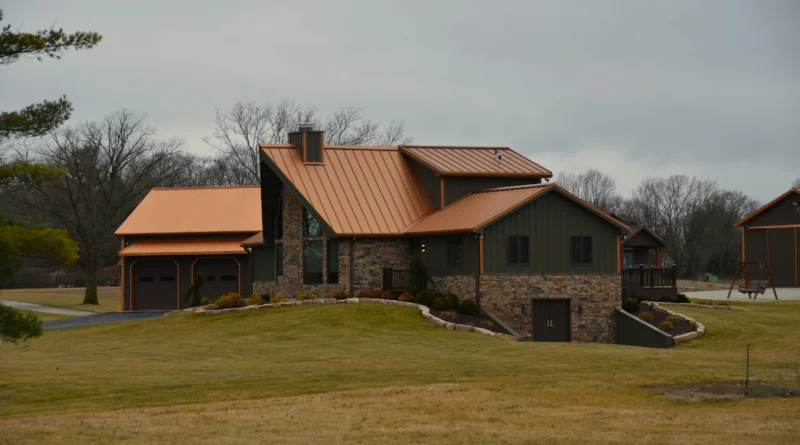
Before we dive into price tags, it’s key to get what sets a barn style house apart. These places often have tall roofs inside, bare wooden beams, and big empty areas. Lots of them draw from post-and-beam or pole barn ways of building. The easy shape lets you tweak things a lot. Some turn into barndominiums that mix living rooms with work areas or car spots.
Structural Design and Layout
Barn style houses usually skip many inside walls thanks to their open floor plans. This cuts down on framing money. But it might call for extra support to hold up big open stretches. The roof often slopes steep or in a gambrel way. That gives more space up top in extra floors or lofts. Think about a family turning a loft into a cozy play area—it’s that kind of flexible fun.
Material Choices
Steel frames and metal sides show up a lot in new barn style houses. They hold up well and need little fixing compared to wood frames in usual homes. Still, some pick timber-framed barns just for the looks. That can bump up the bill based on wood costs right now. For example, if lumber prices spike like they did in 2022, it hits harder.
Aesthetic Appeal
The draw of barn style houses comes from mixing old farm feel with fresh touches. Sliding barn doors, open roof supports, and huge windows let in tons of light. These bits can save cash if you pick smart. Or they can cost more if you go all out on changes. I’ve seen folks add fun lights over those beams to make evenings feel warm and inviting.
Are Construction Costs Lower for Barn Style Houses?
The starting build price is usually the main thing people weigh when picking between a barn home and a standard house. Plenty think the plain setup of a barn house means less spending right away. But that’s not always the case. Costs can surprise you based on what you add.
Frame and Foundation
Pole barn building can save bucks since it skips a full base like most regular homes need. Poles sunk deep in the dirt hold everything up. This cuts stuff and worker costs. However, if you want to stay there all year with good warmth and air systems, you’ll probably need a concrete slab base just like any normal house. In places with tough winters, like up north, that slab becomes a must to avoid cold floors.
Labor Efficiency
Many barn style homes use ready-made kits or parts that snap together. They go up quicker than homes built piece by piece. Less build time means lower worker pay, often by 10 to 20 percent. But this hinges on the land setup and how much you tweak it. Lots of changes wipe out those savings quick. A builder I know finished a basic one in three months flat, while a custom traditional took twice that.
Insulation and Finishing
A sneaky expense hides in warming and wrapping up the inside. Metal builds handle heat not like wood ones do. So you need special warming setups for steady comfort all seasons. Putting up wallboard over metal posts takes extra time and cash too. It’s more than the usual ways in standard homes. Skip this, and summers get stuffy or winters chilly—nobody wants that headache.
How Do Maintenance Costs Compare Over Time?
Even if a barn style house starts cheap, what you spend keeping it up counts just as much for true cheapness. Over years, small fixes add up or stay low depending on choices.
Durability of Materials
Metal sides fight off rot, bugs, and flames better than wood sides on lots of usual houses. That leads to fewer fix-up bills over many years. But steel sheets can bend from hail or flying junk. And in wet spots, they might need a fresh paint job every 20 to 30 years to stop rust. It’s like how a car needs touch-ups; ignore it, and problems grow.
Energy Efficiency
Regular homes often seal warmth better with wall gaps stuffed with fiber or foam. Barns made of metal need tight seals at joins to stop heat from slipping or wet build-up in walls. If you mess this up at build time, power bills climb higher than in framed homes. Good news is, with right care, they run smooth. One owner shared how their bills dropped 15 percent after adding better seals.
Roof Longevity
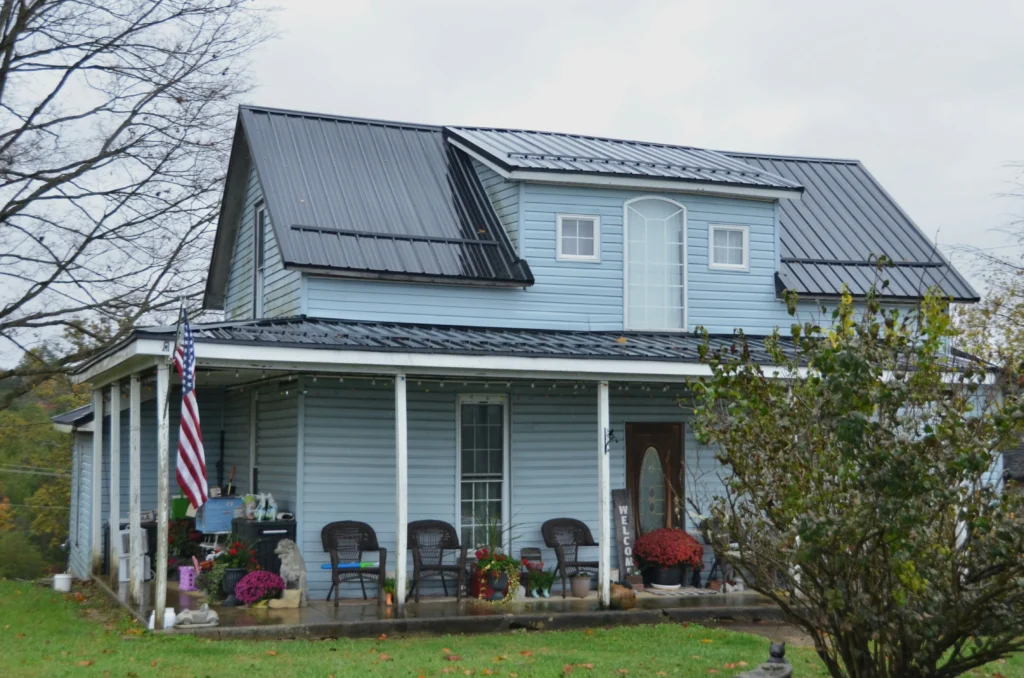
Most barn style houses have standing seam metal roofs. They last 40 to 60 years with little work. That’s way longer than asphalt shingles on many normal homes. Those shingles hold out about 20 to 25 years before you swap them, per the National Association of Home Builders’ Life Expectancy Chart. This long life makes up for some early costs by cutting how often you replace. Plus, metal roofs handle snow loads well in stormy areas.
Does Location Affect Cost Differences?
Yes, where you build sways the price per square foot a ton. It also hits ongoing costs like taxes or insurance.
Rural Versus Urban Settings
Barn style houses pop up more in country spots. Land costs less there. Rules let you mix designs like barndominiums or add-on shops to living areas. In city spots with tight rules, you might need brick outsides or set roof angles. That jacks up the price big time. Rural builds feel freer, like having room for a garden right next door.
Availability of Materials
If steel sellers or kit makers are close by, hauling fees stay low. But if not, shipping eats into the kit savings. It’s a pain when trucks add hundreds to the total. Plan ahead to keep things cheap.
Local Labor Expertise
In spots where workers know pole barns or farm builds well, bids come in lower. They handle these fast. But make sure they follow home rules. Don’t risk code issues later. Local know-how can shave off 10 percent easy if they get the job right.
Are Financing Options Different Between Barn Style And Traditional Homes?
Getting money to build is a big piece folks overlook in price talks. It can make or break the deal.
Mortgage Eligibility
Standard home loans often skip odd builds like pole barns. Unless they have a solid base as lenders like Fannie Mae or Freddie Mac say in their Fannie Mae Selling Guide B2-3-04. So you might grab build loans or personal cash at steeper rates first. Then switch once done. It’s extra steps, but doable with planning.
Appraisal Challenges
Price checkers sometimes can’t find matching sales for special spots like barndominiums. Few sell nearby. That might drop the worth they give compared to build cost. Even if the quality matches usual homes. It’s frustrating, but good photos and details help sway them.
Insurance Considerations
Insurers might group metal-frame homes apart from wood ones. Fire hold-up could trim premiums a bit. But figuring out rebuild costs gets tricky without builder papers. Shop around for quotes to find a fair deal. One tip: bundle with home and auto for savings.
What About Resale Value And Market Demand?
Thinking ahead to selling counts as much as the first price for full ownership cost. Markets shift, but trends help.
Market Trends
Folks’ interest in barndominiums has climbed steady since 2018, based on Google Trends data as of 2024. Buyers like the big setups for home offices or hobby rooms. That makes selling smoother now than years back. Still, it’s a smaller crowd than cookie-cutter suburb houses. In growing rural spots, though, they fly off the market quick.
Customization Impact
Inside tweaks that match your style, like rough loft looks, might turn off some buyers. Unless you add basics everyone likes, such as plain colors or power-saving gear. Balance it out to widen who might buy. Overdo the personal, and it sits longer.
Land Use Flexibility
Lots of barn style houses sit on big chunks of land zoned for farm and home mix. They pull in folks wanting work space over just beds and baths. That shapes who buys, but not always the price down if you sell smart. Use agents who know country listings to reach the right crowd. It’s like matching a puzzle piece perfectly.
FAQ
Q1: Are Barn Style Houses Always Cheaper To Build Than Traditional Homes?
A: Not always. Pole building saves on bases and frame work. But extra for warming or inside work can match total costs. It depends on how fancy you get.
Q2: Do Barn Style Homes Last As Long As Conventional Houses?
A: Yes, with steady care. Guard metal from rust, and they hold up the same or better. Steel roof parts rate for up to 60 years of use.
Q3: Can You Get A Standard Mortgage For A Barn Style House?
A: Only if it has a lasting base that big lenders accept. If not, start with build-to-home loans at first.
Q4: Are Metal Barn Homes Energy Efficient?
A: They work well with right warming like closed-cell spray foam. It stops heat jumps. Bad setup means bigger power costs than usual wall homes.
Q5: Do Barn Style Houses Have Good Resale Value?
A: Yes, more and more in country areas. Folks want spots for many uses. But it ties to local tastes, rules, and how well you keep it up when selling.