
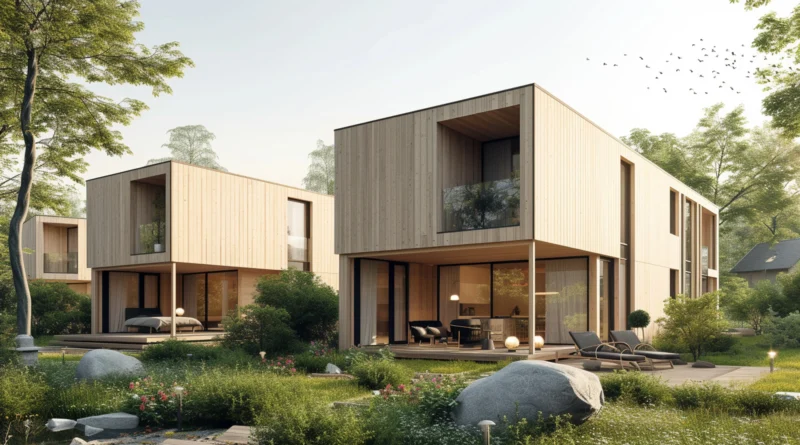
Can Cottage Style Homes Be Modernized
Cottage style homes always bring to mind warmth, comfort, and a touch of old times. But now, with tastes leaning toward wide-open rooms, better energy savings, and clever tech gadgets, plenty of owners ask if these sweet little houses can change up without dropping their special vibe. This isn’t only about looks. It’s also about how well they work day to day and if they still fit in today’s home scene. I mean, who wouldn’t want their cozy spot to feel fresh yet true to itself? Take my neighbor’s place, for example—it’s a classic cottage, but after some tweaks, it runs like a dream without losing that welcoming feel.
What Defines the Character of Cottage Style Homes?
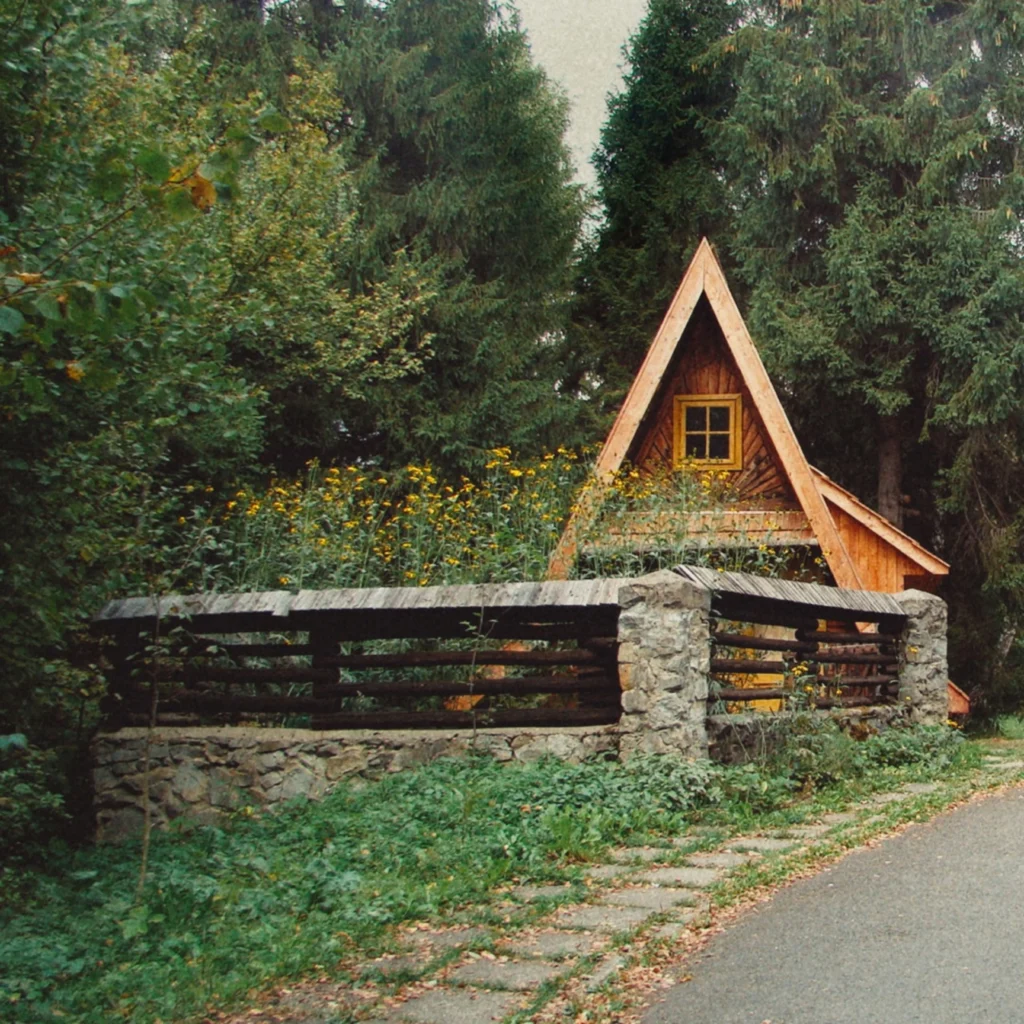
Before you start any updates, you need to spot what sets cottage style homes apart. These houses often show sharp sloped roofs, wooden or rocky outsides, little dormer windows, and friendly front porches. Inside, they focus on ease with built-in shelves, bare wooden beams, and cozy fireplaces. Sure, these bits tie them to the past. Yet they also bring tricky spots when you try to add fresh changes.
Architectural Elements That Create Charm
Cottages usually have uneven room setups and stuff from nature like wood or stone. The blend of feels—think rough wood shakes next to smooth white walls or rocks—adds a nice glow that some new houses miss out on. You can keep these basics but smooth out the edges. That way, you link the old charm to what people like today. It’s not hard; just pick finishes that shine a bit more without going overboard.
Interior Layouts Focused on Coziness
What makes a cottage inside so special is that close-knit setup. Spaces stay small. Ceilings sit low. And nooks fill with handmade touches. If you want to update this, you don’t have to wipe it all away. Try small shifts in how rooms connect. For instance, take out a few short walls or pop in skylights. These steps let in more sunshine. At the same time, they hold onto that snug hug of a feeling. Oh, and don’t forget, in tight spots like these, good light can make everything feel bigger without real big changes.
Exterior Details That Define Identity
Think of flower boxes bursting with blooms and shutters in soft, faded colors. Those bits make cottages stand out right away. To freshen the outside, swap in green-friendly stuff like fiber-cement siding or windows that save energy. This gives a new look. Plus, it sticks to the original shape. In my experience from looking at old home tours, keeping the size right is key—otherwise, it just looks off.
How Can Modern Design Integrate With Traditional Cottage Aesthetics?
Mixing fresh design with cottage warmth isn’t about swapping everything out. It’s more like giving it a new spin. You aim to make daily life better. And you do that without tossing the real heart of the place. Sometimes, it’s the small wins that count most, like how a simple tweak can turn a dark corner into a bright reading nook.
Open-Concept Adaptations
A lot of old cottages came with rooms boxed off from each other. You can knock down some walls that don’t hold up the house. This opens up the flow between the kitchen and living room. Folks today love that open air. But to keep things tied to the past, use old recycled beams to mark the spots where rooms shift. It holds the look steady across time. Picture this: a family gathering spot that feels both roomy and rooted, maybe with space for kids to play without bumping into walls everywhere.
Lighting and Color Strategy
Smart lighting setups help tie the old ways to new ideas in a big way. You layer it up—from hanging lights to hidden LED spots. This draws eyes to cool parts like paneled ceilings or wall trim. Stick to soft colors mixed with real wood shades. They keep things toasty. Yet they clean up the rooms for a sharper feel. I’ve seen homes where just swapping bulbs made the whole space pop—nothing fancy, just practical glow.
Smart Home Features Discreetly Integrated
Gadgets can fit right into a cottage world if you place them with care. Hide the wires for alarms or temp controls inside woodwork. That brings ease without messing up the view. Things like voice lights or auto climate add real help. And they skip the mess of wires everywhere. It’s like having a quiet helper that doesn’t shout its presence. In fact, one cottage I read about in a magazine used these to cut bills by 20% over a year, all while looking unchanged.
Are Sustainable Practices Compatible With Cottage Renovations?
Green ways match up well with how cottages live—both like keeping things simple and smart with what you have. You might think old houses can’t go green, but they can, and often do it better than you expect.
Energy Efficiency Upgrades
Switch out old single-glass windows for ones with double layers. This boosts warmth inside a ton. And you can keep the old-style window grids to match. Add in heating systems that use less power. They cut down on waste without touching the bones of the house. For example, many owners report saving up to 30% on heat costs after these swaps, based on real energy audits from local pros.
Use of Reclaimed Materials
Bring in saved wood for floors or old knobs for doors. This nods to the home’s story. It also cuts down on new junk. These rough, real surfaces give a true touch that fresh factory stuff just can’t match. It’s rewarding to reuse—feels like giving the house a piece of its own history back.
Water Conservation Solutions
Put in sinks and showers that use less water in the bathrooms. Outside, add barrels to catch rain. These fit smooth into cottage life. That life already loves being close to the outdoors. Simple as that, and it saves gallons—think 50% less water use per flush, as per standard fixture stats.
How Does Modern Furniture Fit Into Cottage Interiors?
How you pick chairs and tables decides if the old and new mix well inside a cottage. Get it right, and it flows; get it wrong, and it clashes. But with some thought, it’s doable.
Blending Vintage With Contemporary Pieces
Match up chairs from the 1950s with rough farm tables. This sets up a nice pull between styles. It looks planned, not jumbled. Balance matters here. Too much new stuff can make it cold. Too much old feels stuck in time. Aim for half and half, like in those cozy magazine spreads where everything just sits right.
Scale and Proportion Considerations
Cottages have tight rooms, so big furniture crowds fast. Go for thin couches or pieces that shift around. They keep seats comfy. And they honor the small size. I’ve noticed in small homes, even a foot less in width makes a room breathe easier—practical tip from years of design chats.
Textiles That Bridge Eras
Stick with natural cloths like linen or wool. They’re always in style. But toss in simple patterns or straight lines for a new twist. This adds life without fighting the old setup. Soft throws in earthy tones can tie it all, changing with the seasons for that lived-in touch.
Can Outdoor Spaces Reflect Both Tradition and Modern Comfort?
The yard and porch stretch out the cottage feel past the doors. They give chances to add quiet updates. And honestly, nothing beats a backyard that works for barbecues yet whispers old charm.
Garden Design With Native Plantings
Pick plants from the local area. They need less care and water than far-off kinds. This is a smart switch that fits green living. Yet it looks right with the country feel. Local flowers bloom strong—say, wildflowers that draw bees without extra work.
Outdoor Living Enhancements
Build patios from stone blocks or add vine-covered shelters. These mix rough style with spots to eat or relax. Throw in hidden lights for evenings. It boosts use without losing the simple appeal. Imagine summer dinners under stars, all set up easy.
Sustainable Landscaping Techniques
Use paths that let water soak in. This cuts flooding. Add sun-powered lights for the garden. They use no extra power. All this slides into the easy flow of cottage days. Plus, it keeps costs low—lights run free after the buy, lasting years.
What Role Does Color Play in Modernizing Cottages?
Color acts as a top tool to shift things while holding onto past hints. Pick wisely, and it transforms without overpowering.
Exterior Palette Renewal
Go for light whites with dull greens or grays. This keeps the outside classic but new. Flat paints let walls feel alive, not bossy. A fresh coat can lift the whole curb appeal, like how one gray shade made a dull facade pop in a before-after photo I saw.
Interior Tonal Harmony
Use plain backgrounds. They let features like brick hearths shine on their own. Add pops of deep blue or red clay for layers. This works in small areas without crowding. Neutrals ground it all, letting personal bits stand out.
Seasonal Flexibility Through Accessories
Swap pillows, drapes, or floor covers with the weather. This lets you try things out. No big fixes needed. It’s an easy path to keep rooms alive all year. Fall oranges or winter whites—keeps it fun and fresh.
FAQ
Q1: What Is the Easiest Way to Modernize a Cottage Without Major Construction?
A: Updating paint colors, replacing outdated lighting fixtures, and adding smart thermostats offer quick improvements that respect original architecture.
Q2: Do Modern Materials Like Steel or Glass Work in Cottage Homes?
A: Yes, but moderation is key; incorporating glass partitions or steel hardware sparingly enhances contrast while maintaining warmth from traditional materials like wood and stone.
Q3: How Can You Improve Energy Efficiency Without Losing Historic Value?
A: Focus on reversible upgrades such as insulated curtains, draft-proofing doors, and installing secondary glazing instead of replacing entire window frames.
Q4: Are Open Floor Plans Always Suitable for Cottages?
A: Not always; selective openness works best—merging kitchen and dining areas may increase light flow but removing all partitions risks losing cozy character central to cottage living.
Q5: Which Colors Best Suit a Modernized Cottage Exterior?
A: Muted neutrals like sage green, dove gray, or soft cream complement natural surroundings while aligning with contemporary minimalism trends seen across modern renovations (source: Architectural Digest 2023).