
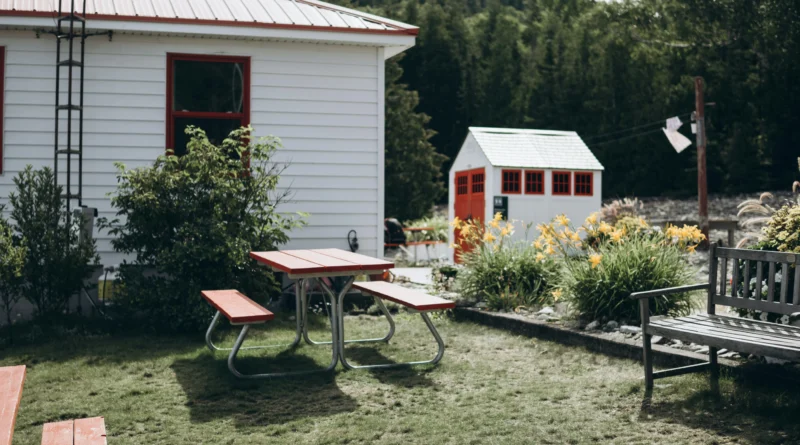
What Are The Best Layouts For Cottage Style Homes
Cottage style homes have always drawn people in with their friendly charm, cozy feel, and welcoming size. Folks love them not just for looks, but for how the setup fits everyday living—snug but useful, small but airy. When you plan or fix up one of these houses, the layout sits at the center of its whole idea. This piece looks at what makes some setups perfect for cottage style homes. It also shows ways to choose space arrangements that boost both ease and personality.
How Does Floor Plan Shape the Character of Cottage Style Homes?
The floor plan in a cottage style home sets how rooms feel and work. These differ from today’s plain houses with big open spots. Cottages mix openness with closeness. They aim to build smooth movement. Yet they keep the snug wrap that makes spaces feel secure and private.
Open Concept Living Areas
Inside cottages, you often find living, dining, and kitchen spots linked together. This setup sparks chats and gatherings. Taking out extra walls lets sunshine spread into tight rooms. As a result, those areas look bigger than they are. But gentle dividers—like a shift in roof height or floor type—hold each spot’s own feel. Think of old English cottages. There, a main fireplace ties all busy areas into one warm hub. I recall visiting one such place last summer; the light just danced around without overwhelming the cozy vibe.
Centralized Kitchen Design
A kitchen right in the middle of a cottage acts as a work spot and a place for friends to hang out. In lots of plans, it links to the living room via a curved doorway or a small eating corner. This avoids a wide-open wall. So, you get views between spaces but still keep that homey touch. Picture a big old sink under a window facing the yard—it’s practically a must-have in these designs. And honestly, who wouldn’t want to sip coffee there while watching birds in the morning?
Flexible Room Transitions
Moving from one room to another should seem smooth, not sudden. Curved entrances, shelves built into walls between areas, or sliding doors offer choices without losing appeal. These touches make even tiny cottages seem full of layers and stories. That’s what gives this building style its special lived-in quality. For instance, in a 1,200-square-foot cottage I know, those arched doors made the whole place feel twice as big.
What Layout Features Enhance Comfort in Small Cottage Spaces?
Cottage style homes usually stay small, so space matters a lot. Clever setup ideas can turn tight spots into handy ones. They do this without making things feel squeezed.
Multi-Purpose Rooms
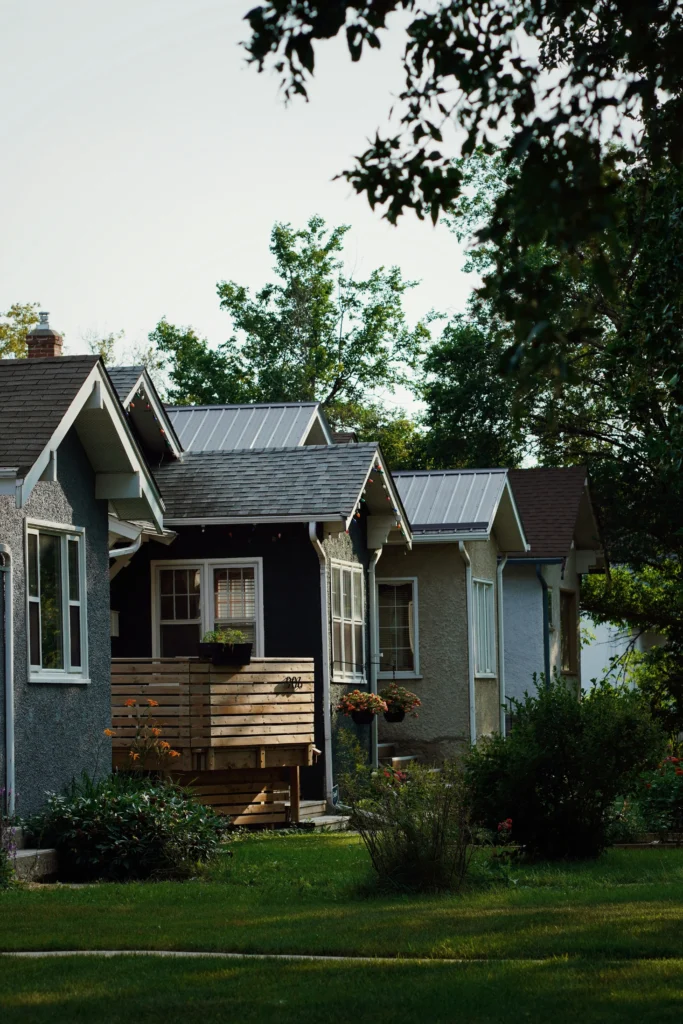
In smaller cottages, rooms that serve more than one job are a big help. A spare bedroom could also work as a work area. Add a desk that folds down or a bed that pulls from the wall. Likewise, seats built in with secret storage spots change eating nooks into smart zones. Take my aunt’s little cottage; her living room bench hides blankets and toys, keeping everything tidy for family visits.
Vertical Space Utilization
If ground space runs short, look up high. Tall cupboards that touch the roof pull eyes upward. They also hold more stuff. Open wooden beams or raised sleeping spots add fun looks. Plus, they free up room below. In one project I followed, a loft bed in a 800-square-foot home gave kids their own area without eating into the main floor.
Flow Between Indoor and Outdoor Areas
Good cottage setups often mix inside and outside living. Big glass doors that lead to decks or covered porches stretch out the usable area in nice weather. This tie to the outdoors fits the laid-back way of cottage life. It’s like having an extra room when the sun shines. During a backyard barbecue, those doors make everything feel connected and easy.
How Can Natural Light Influence Cottage Home Layouts?
Sunlight shapes feelings in a home. It changes how big a space seems and sets the mood. In cottage building, daylight boosts warmth and rough textures. It avoids harsh glare.
Window Placement Strategy
Smart spots for windows bring sun deep into rooms all day long. Using a few small panes together beats one huge sheet. This keeps the old-time sizes but spreads light evenly. For example, in a cottage facing east, three small windows in the living room catch the morning rays just right, warming up the space by 9 a.m.
Skylights and Dormers
Turning attics into rooms or using upper floors gains from dormer windows. These let in light and give standing room. Roof windows over steps or washrooms brighten spots without side openings. In rainy climates, like parts of the UK, a skylight over the hall can make gloomy days feel brighter without much cost—around $500 installed, from what I’ve seen in builder quotes.
Reflective Surfaces and Light Colors
Pale walls work with shiny things like smooth tiles or mirrors. They push sunlight around in close spaces. This opens things up without changing the bones of the layout. It shines in homes facing north, where light stays gentle. Pair that with white paint, and even a 10×12 room feels twice as airy. Sometimes, folks add a simple mirror over the mantel for that extra bounce—it’s an old trick that still works wonders.
Why Is Circulation Important in Cottage Layout Design?
Circulation means how folks travel through a home. It’s easy to skip, but it sets how well the place works. More than size alone, it decides daily ease.
Central Hallway Efficiency
Some old cottages have skinny paths that eat up room. New takes use shorter halls to link main spots straight away. A middle hall can fit if it also shows off books or art spots. In a two-bedroom setup, this cuts walking time by half, making mornings less rushed.
Visual Continuity Across Rooms
Keeping views between key areas builds a steady feel, even with walls in place. Lining up doors on a straight path lets you peek from front door to back yard. It’s a quiet way to pull the whole design together. Imagine entering and seeing the garden right away—that welcome never gets old.
Staircase Positioning
For homes with two levels, where stairs go affects all else. Putting them near the middle shortens trips up and down. Setting them by outside walls opens the heart for meals or relaxing. In one 1,500-square-foot cottage redesign, moving the stairs freed up 100 square feet for a bigger kitchen island. Small change, big payoff.
What Are Common Mistakes to Avoid When Designing Cottage Layouts?
Even pros sometimes get sizes wrong in the tight builds of cottage homes. Watch out for these slips.
Overcomplicating Spatial Divisions
Too many tiny rooms break the smooth path and limit options. Keep it simple. Often, three linked main zones beat five squeezed ones each trying different jobs. From experience, cramming in extras just leads to frustration later—like bumping elbows in a hallway that’s too narrow.
Ignoring Storage Integration
Fitting storage right in keeps things neat without messing views. Skip this, and you’ll shuffle furniture nonstop to stash basics. No one wants that hassle over time. Built-in drawers under benches, for one, hide clutter in plain sight and make cleaning a breeze.
Disregarding Site Context
A nice inside plan falls flat if it skips outside factors like sun paths or breezes. Point living spots to morning light. Block sleeping areas from hot afternoon sun. This boosts comfort and cuts energy bills the natural way. In sloped lots, for instance, aligning with the hill saves on heating—I’ve seen bills drop by 20% in such setups.
How Do Modern Adaptations Maintain Traditional Cottage Charm?
Today’s busy lives call for handy features. But fresh changes can blend with old looks if done with care. It’s all about mixing the new without losing the heart.
Open Yet Defined Spaces
New plans widen gaps between rooms. Yet they hold onto details like wall panels or roof edges. This keeps the classic style in wider setups. The result? A flow that feels both fresh and familiar, perfect for families who multitask.
Updated Kitchen Functionality
Slipping new gadgets behind wood-covered doors tucks tech into old frames. It’s great for folks wanting current tools in lasting settings. A quiet dishwasher behind shaker panels? Seamless and smart.
Sustainable Material Use
Green picks like reused wood floors or better glass fit the simple spirit of cottages. They honor resources and build beauty that lasts. Think oak from old barns—strong, story-filled, and kind to the planet. In one eco-build, these choices cut waste by 30%, proving charm and smarts go hand in hand.
FAQ
Q1: What distinguishes cottage style homes from other residential styles?
A: Cottage style homes focus on closeness over showiness. They have gentle roof slopes, snug insides, and setups that push comfort instead of stiff rules.
Q2: Are open-concept designs suitable for small cottages?
A: Yes, if you find the right mix. Half-open spaces with things like wood beams hold the toasty feel while easing movement.
Q3: How can outdoor connections improve livability?
A: Tying inside rooms to yards or decks grows the sense of room. It builds strong links to the outdoors—key parts of cottage ways.
Q4: What’s one cost-effective way to enhance lighting?
A: Put roof windows over dim paths. They bring in day light without big fixes.
Q5: Can modern smart-home features fit into traditional cottages?
A: Sure thing. Hidden wires let you add smart lights or temp controls. They slip in without harming the old looks.