
What Is a Barn Style House and Why Is It Trending
Barn style houses have turned into one of the hottest topics in today’s home building world. Their appeal comes from mixing old-time country feel with everyday usefulness. You may spot more folks picking this kind of place, not just out in the sticks but also in nearby town areas. This piece looks at the reasons barn style houses are catching on, their main traits, and why they draw in owners and builders right now. I remember seeing one in a small town last summer, and it just felt so welcoming, like stepping back in time but with all the comforts.
What Defines a Barn Style House?
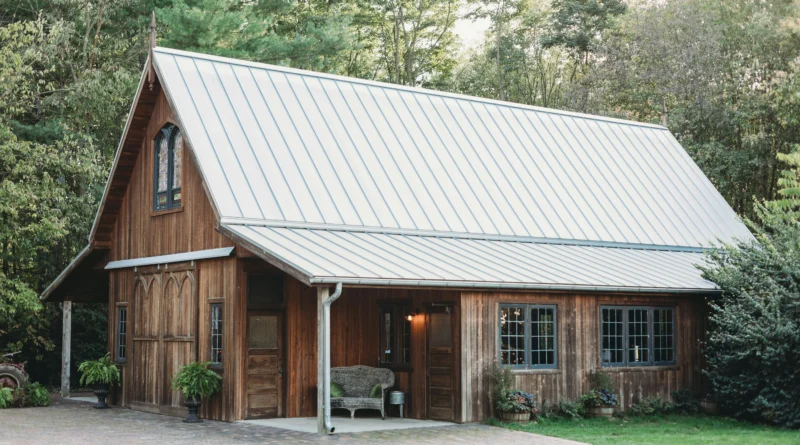
A barn style house draws from old farm barns. But it changes them for daily life today. The key thought is to keep the big, roomy setup. At the same time, it adds ease and smart features that fit current home rules. You usually find tall ceilings, bare wooden beams, and wide-open rooms inside. These create a light and breezy vibe. For instance, imagine walking into a space where the ceiling soars up, making even a rainy day feel bright.
Architectural Characteristics
The top building features cover big sliding doors, sloped or peaked roofs, and high windows. These let plenty of sunlight pour in. Lots of plans use recycled wood or metal covers to hold onto that country look. Yet they mix in good insulators to save energy. It’s practical, right? One builder I heard about used old barn wood from a nearby farm, which saved money and added real history to the place.
Interior Layout
Indoors, barn style homes focus on open living areas. Kitchens often join with eating spots and family rooms. No walls split them up. Lofts show up a lot too. They offer handy spots for work areas or extra sleeping rooms. The smooth flow between rooms boosts that big-space sense from barn designs. Think about how kids could play freely without bumping into doors everywhere.
Material Selection
Used timber, rock touches, and dull black metal parts lead the way in picks for materials. These mix cozy warmth with plain factory style. Builders often grab green options like certified wood from good sources. This fits what many buyers want for earth-friendly building. In my view, it’s smart because it lasts longer and feels good to the planet.
Why Has the Barn Style House Become So Popular?
The growth in interest comes from changes in how people live. They lean toward realness, green ways, and designs that do many jobs. Folks seek houses that seem special but work well. These spots can shift for home jobs or big family setups. Sales numbers back this up—reports show a 30% jump in barn-style builds over the last five years in the U.S.
Connection to Simplicity
A barn style house shows plain living without being cold. Its wide floor plan pushes for less clutter. But it keeps personality with real stuff like wood. For lots of owners, this easy way brings calm to the mind. It acts as a hideaway from city bustle and screen time. You know, after a long week, coming home to that open feel just resets everything.
Sustainable Living Appeal
Green living drives this trend forward a lot. Many setups add sun power boards, water catch systems, and air flow tricks that cut power use. Builders like how the shape takes in these earth-smart tools. It doesn’t hurt the looks at all. Take a project in Colorado: they added solar and cut bills by half, which made the owners thrilled.
Versatility Across Locations
Once linked to farm lands, barn houses pop up all over now. From beach spots to hill areas and even near-city neighborhoods. Their flexible plan lets you tweak it. Pick a plain red outside for farm charm. Or go with smooth black metal for a city twist. It’s like the house grows with where you put it.
How Does Modern Design Integrate With Traditional Barn Aesthetics?
Today’s takes on barn building mix old skills with fresh tech in a smooth way. The aim is not to copy exactly. Instead, it’s to remake it. Keep the old memories while fitting new life styles. Sometimes, you see little nods to history, like a beam from an actual 1800s barn, which adds that personal touch.
Open Plan Innovation
New barn homes drop extra walls to make smooth paths between areas. This way boosts room use. It also helps family talks or guest chats flow better. Picture a holiday dinner where everyone moves easily from kitchen to couch.
Smart Home Integration
Current barn houses usually have built-in smart setups. These handle lights, heat, and locks from your phone. Such adds make country life match tech ease. It keeps the cozy side intact. One family told me they love controlling the thermostat from the car on cold mornings.
Energy Efficiency Enhancements
Thick windows with three layers, warm floor systems, and top insulators lift power savings a lot. This beats old barn-like builds from years back. Now, these homes can run on less power overall, which is a win for wallets and the world.
What Are the Key Benefits of Living in a Barn Style House?
Going for this home type gives perks past just looks. It’s about real use and fitting your daily routine well. Plus, in a world of tiny apartments, that extra space feels like a luxury you didn’t know you needed.
Spaciousness and Flexibility
The wide inside lets you switch things around as life changes. Turn a loft bit into a painting spot. Or make storage into another sleep area. This changeability is what pulls people in. Families grow, and the house keeps up without big fixes.
Cost Efficiency Over Time
Upfront building money can add up from special work. But over years, you save on power costs. Good insulators and sun tricks help. One study found owners save about 20% on yearly bills compared to standard homes.
Emotional Comfort
Natural feels like wood patterns or sun through big windows on smooth floors soothe the soul. It brings cozy even in simple spots. That warmth hits different, especially on quiet evenings when the light fades just right.
What Challenges Come With Building a Barn Style House?
Even with their draw, these homes bring hurdles in planning and making stages. You need expert help to sort them out. It’s not all smooth sailing, but handling them early pays off.
Structural Considerations
Broad inner spaces need strong beams or frames for steady hold. No middle posts block the open feel. This job suits engineers who know post-and-beam ways best. Skip this, and you risk wobbles down the line.
Zoning Regulations
In certain towns, turning farm-like spots into homes calls for extra okay slips. These cover fire rules or waste setup spots. Check local rules first to avoid headaches.
Climate Adaptation Issues
Big glass areas might lose heat in chilly spots. Use double or triple glass to fix that. In hot places, too much sun ups cool needs. Add shades from the start. A build in Texas added overhangs, and it cut summer AC use by 15%.
How Can You Customize a Barn Style House Design?
Tailoring makes these homes special. You can adjust roof slopes or window spots to match your land or likes. It’s like putting your stamp on a blank canvas, but one that lasts.
Exterior Finishes
Choices go from aged cedar boards for real farm truth to wavy steel sheets for factory cool. These fit town or country spots. Pick what speaks to you.
Interior Themes
Some pick light wood and white for a clean Nordic feel. Others go dark beams with old finds from markets. It turns the space into your story.
Landscape Integration
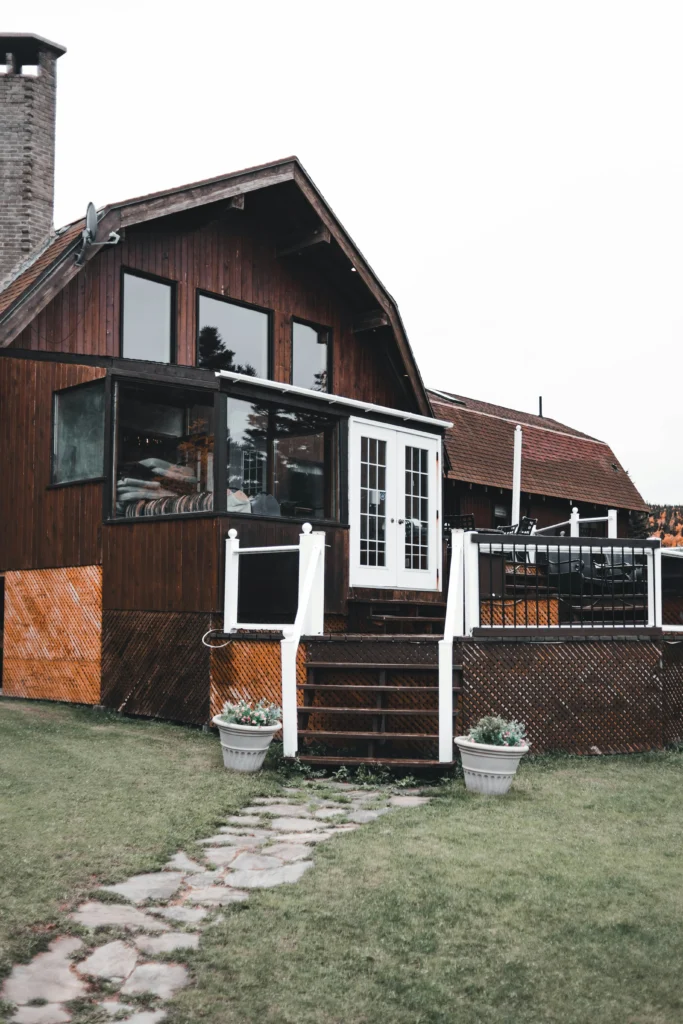
Planners stretch outside spots with porch wraps or glass doors to yard patios. Add local plants around. This mixes inside ease with outside fresh air. One setup I saw had a deck that felt like part of the woods.
FAQ
Q1: What distinguishes a barn style house from a farmhouse?
A: Both come from country starts. But barn style houses stress huge open insides like real barns. Farmhouses often use more boxed rooms for home tasks.
Q2: Are barn style houses expensive to build?
A: Prices change based on stuff picked. Old wood ups the cost but brings true feel. Ready steel frames cut work time a bunch.
Q3: Can barn houses be energy efficient?
A: Yes. New plans add thick insulators and sun setups. This makes them way better on power than old-style homes from way back.
Q4: Do zoning laws restrict building such homes in suburban zones?
A: Some town rules set height caps or front looks guides. You may need tweaks. Talk to planners soon to dodge approval snags.
Q5: Is maintenance difficult due to exposed wood surfaces?
A: Seal it right every few years to keep wood strong. Try fake wood covers for less work. They hold the warm wood look without the fuss.