
What Is the Difference between House Design and Home Design
People often mix up house design and home design. They sound similar. But in the real world of experts, they mean different things. You could see them as two parts of the same idea. One is more about facts and building. The other is about feelings and daily life. This piece looks at what sets them apart. It checks how each one affects building plans, room setups, and how you feel in those places.
What Defines House Design?
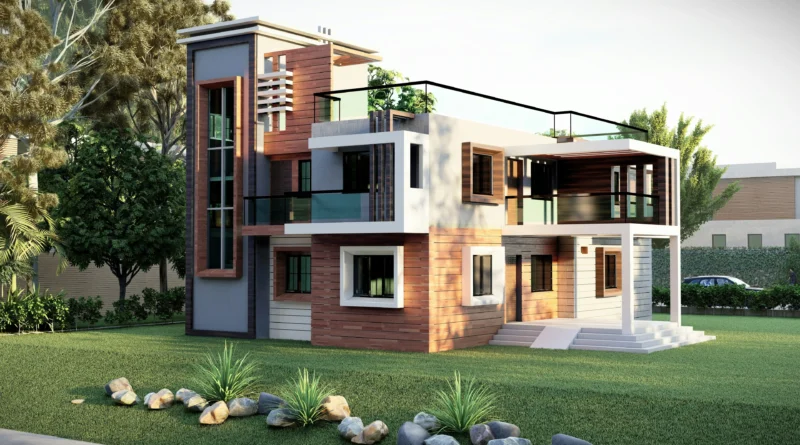
House design pays attention to the solid parts of a building. It creates spaces that work well. These spaces look nice too. All this happens with limits like money, land features, and rules. Builders and planners mix fresh ideas with real-world needs. They make sure everything fits together.
Architectural Planning and Structure
House design starts with how spaces fit. Rooms link up in certain ways. Light comes in through windows. People move around easily. It covers strong parts like bases, supports, and tops. Take a beach house, for example. It needs high bases to stay safe from water rises. A hill house calls for thick walls to block out chill winds. These choices keep the building safe and useful over time.
Material Selection and Construction Methods
Choosing stuff for building sets the look and how long it lasts. Things like hard stone, metal bars, wood logs, or mixed items change the price. They also affect how the place handles weather. Green options are getting common now. Bamboo grows fast and hurts the earth less. Old wood from past projects adds a warm feel without new cutting. Folks in the field pick these to cut down on waste. It’s a smart move for the planet.
Compliance with Codes and Standards
Any house has to follow local rules. These cover safety, easy access, and power saving. Rules set things like room height, window spots for air flow, or wall thickness for warmth. Skip them, and your project slows down. You might pay extra when checkers come by. I recall a builder friend who fixed a whole setup just because of a small code miss. It added weeks and cash. Better to get it right from the start.
How Does Home Design Differ from House Design?
Home design steps past the basic build. It adds your own touch and deep feelings. House design builds the frame and cover. Home design makes that frame feel special. It shows your way of life, family roots, and style tastes. In my view, it’s what turns a plain spot into your spot.
Emotional Connection and Personalization
Home design turns who you are into the room around you. Picks like paint shades, chair setups, and light warmth change how cozy it feels. A simple setup might bring peace with soft colors and wide areas. A free-spirited one could add joy with mixed fabrics and odd art. Think of a family adding photos from trips. It makes the place tell their story. That’s the magic part.
Interior Layouts That Reflect Lifestyle
Home design thinks about your everyday habits. It skips the tech side of house design. Instead, it fits rooms to what you do. An open cooking area lets friends chat while meals cook. A quiet corner for books helps unwind after a long day. A entry spot catches dirt from outside play. It’s not just about size. It’s about smooth moves that match your routine. For busy parents, this can mean everything.
Integration of Comfort Technologies
Today’s home design adds clever gadgets. Lights turn on by voice. Heat adjusts on its own. These tools fit what you like. They change a still building into one that reacts. People now expect this in their living spots. It makes daily chores easier. A study from last year showed many homes save time with these bits.
Why Is the Distinction Important for Professionals?
Builders and room planners need to know this split. It changes choices from first drawings to last touches. Without it, projects can feel off. Clear lines help blend hard facts with soft feels.
Collaboration Between Disciplines
Building experts watch the strong bones. Room pros build the mood. Garden planners set the outside views. If roles blur between house and home, the end result might not match. Sharp edges keep tech sharp and heart warm. Teams that talk early often end up with better homes. It’s like a band playing in tune.
Client Communication Clarity
Customers might say they want a nice home. Pros have to figure out if it’s the shape or the inside feel. Ask questions soon. This stops wrong turns. A sharp new shell might not fit someone who craves warm nest vibes. I’ve seen talks save projects from big changes later.
Budget Allocation Efficiency
Knowing where to spend cash matters. Put it in strong fixes or fun adds? House needs go to base strength. Home needs go to pretty details. Say, better windows for less heat loss are house work. Custom wood boxes are home touches. This split helps money stretch further. One client I heard about saved 20% by sorting this out.
How Do Cultural Factors Influence Both Designs?
Where you come from shapes how you see rooms. A floor mat spot in Japan feels different from a big open living room in the US. Each one holds special group ways. Culture adds layers to both builds.
Regional Traditions in Architecture
Local stuff and weather-smart shapes make areas unique. Clay bricks in dry lands keep inside cool. North homes let in lots of sun for dark months. These old ways guide new builds. They stay true to the land’s lessons. In hot spots like Arizona, folks still use thick walls from native times. It works wonders.
Cultural Expressions Through Interiors
Inside rooms tell family tales. Old items sit out for all to see. Color choices nod to past patterns. Pros who get this make spots that feel real. Not like store displays. It’s about roots in the walls.
Evolving Global Influences
The world mixes styles now. Cool North looks blend with sunny South warmth. Young folks who move around like this mix. They want a place that feels like home anywhere. Travel stories pop up in decor. It’s exciting to watch these changes happen.
How Has Technology Changed the Practice of House Design?
Computer tools have flipped how experts plan builds. They test ideas way before any dirt moves. This speeds things up and cuts errors.
3D Modeling and Visualization Tools
Programs like Revit or SketchUp show full 3D views. You can walk inside on screen. Clients see it all before real work starts. Old paper plans needed pro eyes to read. Now, anyone gets the picture. It builds trust fast. One firm cut changes by half using these.
Energy Simulation for Sustainability
Tools guess heat needs or sun paths. They help pick the best setup early. This cuts waste and hits green goals like LEED or BREEAM. Data leads the way. It’s not guesswork anymore.
Prefabrication and Modular Systems
Ready-made parts speed the job. Quality stays high. City spots with tight space love modular homes. They build quick and bother neighbors less. In crowded places, this is a game-changer. Builds finish in months, not years.
How Does Sustainability Intersect with Home Design?
Green ways matter in builds and personal spots. It’s key for earth care and comfy living. Home design weaves this in daily choices.
Eco-Friendly Materials in Interiors
Paints with low bad smells clean the air inside. Glass from trash makes counters. Wool from sheep holds moisture right. These picks join care for nature with nice looks. They feel good to use. In a real home, this means healthier days for kids playing.
Energy Efficiency Through Smart Systems
Clever heat boxes learn your ways. They save power without cold spots. A 2022 report from the US energy group said homes cut bills by 10-15%. It’s real savings over months.
Biophilic Design Elements
Plants inside link you to outside green. They lift moods and clean air. Walls with living bits or pots soften stiff lines. The old NASA air check from 1989 proved plants pull out toxins. It’s a simple win for well-being.
FAQ
Q1: What is the primary difference between house design and home design?
A: House design deals with architectural structure; home design focuses on personalization that transforms a space into an emotionally resonant environment.
Q2: Can one professional handle both aspects?
A: Yes, but multidisciplinary collaboration between architects and interior designers often yields more cohesive results since each brings specialized expertise.
Q3: Does technology affect both equally?
A: Technology impacts both differently—architectural software enhances house planning accuracy while smart devices enrich everyday experiences within homes.
Q4: Are sustainable practices part of both designs?
A: Absolutely; structural sustainability ensures long-term durability whereas interior sustainability improves daily health through material choices.
Q5: Why should clients care about this distinction?
A: Knowing the difference helps allocate budgets wisely—investing appropriately between foundational quality (house) and livable comfort (home).