
Why Choose Aluminium Facade for Modern Buildings
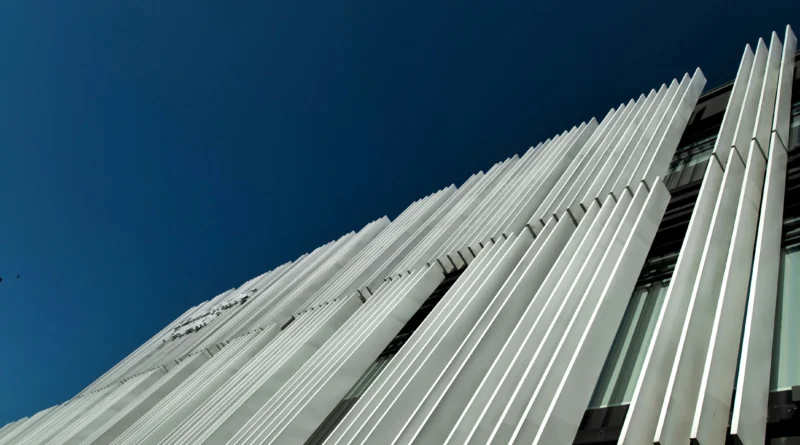
Aluminium facades now mark many modern buildings. You spot them on office towers, home complexes, and public spots in big cities. Their clean look, flexible build, and green traits make them a top pick for builders and planners. This piece looks at why aluminium facade systems shape today’s building styles. It also shows how they help with work, looks, and eco aims.
What Makes Aluminium Facade a Preferred Choice in Modern Architecture?
The rise in aluminium facades comes from real needs. Cities push for buildings that save power and look lively. Aluminium fits well because it bends to fit ideas. It weighs little but holds strong. So, it lets builders make wild shapes and add big glass parts. This happens without putting too much weight on the building’s base.
Lightweight Structure with High Strength
Aluminium’s power against its weight stands out as a key plus. It beats steel or concrete covers in this way. The material cuts the need for heavy supports. Yet it stays tough over time. Take a thin 2 mm aluminium panel, for instance. It gives enough firmness for facade parts that stretch across meters. Builders use this to form daring designs. Safety stays solid all the same. In one project I recall from a city high-rise, they used these panels to curve the front without extra beams. It saved time and cash during setup.
Design Flexibility and Aesthetic Appeal
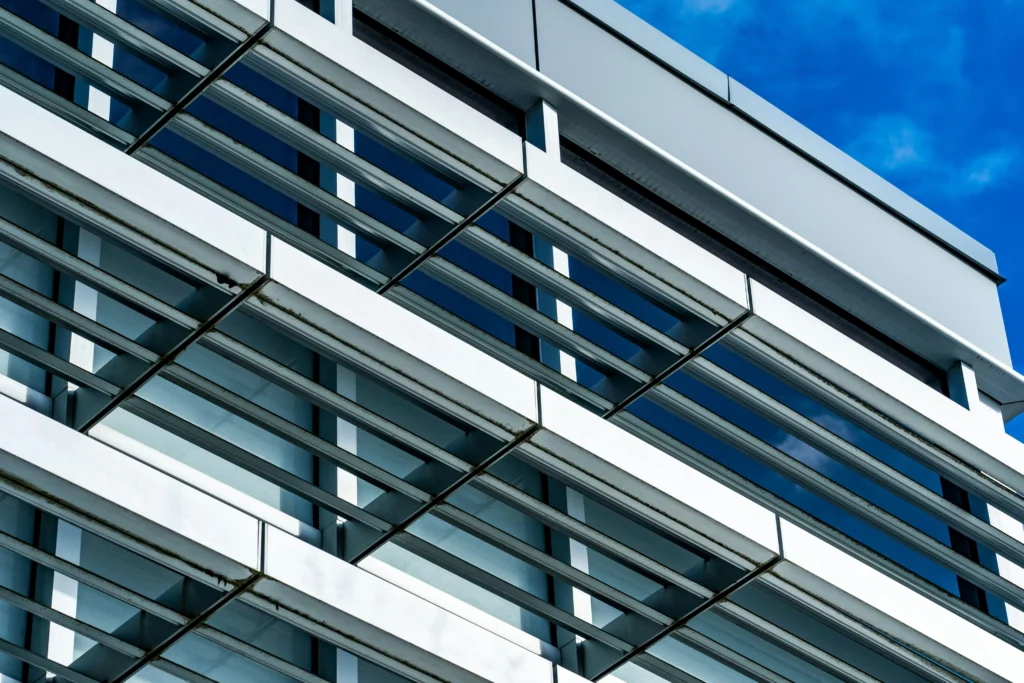
Builders shape aluminium into special forms through extrusion. They add coats in many styles, like soft metal shines or painted hues that hold color well. The stuff takes holes or designs for sun block too. Often, new fronts mix aluminium sheets with glass walls. This blends solid parts and see-through spots smoothly. Picture a shiny office block where the front shifts from metal to glass as you walk by. It draws the eye and feels fresh every day.
Corrosion Resistance and Longevity
Steel rusts easy, but aluminium builds its own shield. An oxide coat forms on its own to fight off rust. This suits beach towns or wet spots where other stuff breaks down fast. You need little upkeep for it. An aluminium facade can go strong for more than 40 years. It keeps its first look too. In salty air near the ocean, I’ve seen these hold up when neighbors’ steel fronts peel after just a decade.
How Does Aluminium Facade Improve Building Performance?
Looks matter, but aluminium facades boost how a building works too. They help with power use and sound block. Pair them with insulation, and costs drop. People inside feel better as well. It’s not just talk; real spots show the gains.
Thermal Efficiency and Energy Savings
Link aluminium facades to heat breaks or filled panels. They cut warmth flow from outside to inside a lot. Indoor spots stay even all year. The U.S. Department of Energy noted in 2023 that good facade setups can trim heat and cool power needs by up to 30%. In places with wild weather swings, this means real money saved. Think of a hot summer day in Texas. The inside stays cool without the AC running nonstop. That’s a win for bills and comfort.
Acoustic Insulation Benefits
City sounds bug homes and shops more each year. Aluminium facade setups add layers or double skins that soak up noise. They block road racket well. Inside gets calm, great for work spots or stays near loud streets. One hotel in a busy downtown cut guest complaints by half after adding these. Folks slept better, and reviews went up.
Structural Integrity Against Environmental Stress
New facades face winds, shakes from earth moves, and heat stretches. They must not bend out of shape. Aluminium gives a bit under push. It won’t snap or twist like stiff stuff. In high towers with strong gusts, this bend keeps the outer shell safe for years. Engineers test this in wind tunnels, and it passes every time without fail.
Why Is Aluminium Facade Considered Sustainable?
Green building rules guide choices now. Aluminium shines as a top recycle pick in the field. About 75% of all aluminium made still gets used, per the International Aluminium Institute in 2022. It’s not hype; the numbers back it up.
Recyclability Without Quality Loss
Plastics or mixes lose strength when reused. But aluminium keeps its build power forever. To remake it takes just 5% of the power for fresh stuff. This slashes smoke from making new bits. In a world short on power, that’s huge. Factories melt down old panels and pump out strong new ones quick.
Contribution to Green Building Certifications
Pick reused or low-smoke aluminium for points in LEED or BREEAM. It fits “Material Reuse” and “Energy Efficiency” spots. Suppliers give papers on their eco mark now. These help planners chase green badges. A school build I know got extra funds from such credits. Parents loved the eco angle.
Reduced Maintenance Requirements
Aluminium fights rust and skips paint jobs often. So, fix-up smoke stays low over time versus steel or wood covers. Clean it with safe soaps on a set plan. That keeps the shine. No big repairs mean less waste from trucks and tools.
How Does Aluminium Facade Support Architectural Innovation?
Today’s builds test limits with odd shapes and smart skins. Aluminium bends to these wants without big hassles. It opens doors for fresh ideas in real spots.
Compatibility with Digital Fabrication Technologies
Tools like CAD let you plan facade bits exact before build. Cut or poke holes in aluminium sheets with machines to match plans. Installs hit spot-on measures. This cuts errors on site. A museum front came out perfect this way, with patterns that light up at night.
Integration with Smart Building Systems
Facades now link to watchers for air flow or lights based on now stats. Aluminium holds these add-ons easy. It machines well and carries power. In smart homes, this means fronts that shade auto on sunny days. Saves power and feels high-tech without fuss.
Adaptability Across Building Types
Airports, art spots, home towers—all take aluminium facades. They fit tasks and sizes. Parts snap together for quick off-site builds or tweaks on ground. One airport gate used mods to match flight needs, and it worked smooth.
What Are the Cost Considerations When Using Aluminium Facade?
Money counts big in picking outer covers. Upfront price might top cheap picks like mix panels or wall coats. But over time, aluminium wins on tough build and small care. Long view shows the smarts.
Initial Material and Installation Costs
Top extrudes or shine coats cost more per square than plain options. Still, light weight speeds setup. Less crane work and worker time cuts bills. A mid-size office saved 10% on labor this way, per site logs.
Lifecycle Cost Efficiency
Through 30 to 40 years, care stays low. No paint rounds or rust fixes. Reports from Building Research Establishment in 2021 say aluminium beats low-cost stuff by 15 to 20% in full spend. It’s like buying sturdy shoes that last, not cheap ones that wear quick.
Resale Value Enhancement
Spots with tough facades hold worth better. Less fix needs and good looks boost sale price. Buyers see the long game and pay up.
How Do You Maintain an Aluminium Facade Effectively?
Right care keeps it going with small work. Follow steps, and it shines on.
Routine Cleaning Practices
Wash now and then with light soap mixes. This clears dirt that dims shines. Skip rough tools that mark shine layers. Soft rags work fine for most. Do it right, and it looks new longer.
Inspection Intervals for Joints and Sealants
Check seals between sheets each year. Sun or shakes wear them. Swap early to stop water leaks into warm layers. A quick look saves big headaches later.
Surface Protection Treatments
Add thin coats to fight city grime or rain acids in busy spots. This boosts guard without much cost. Factories offer these as add-ons now.
FAQ
Q1: What Is the Average Lifespan of an Aluminium Facade?
A: With proper maintenance, an aluminium façade typically lasts between 40–50 years depending on environmental exposure levels.
Q2: Can Aluminium Façades Be Used in Coastal Areas?
A: Yes, because aluminium naturally forms an oxide layer that resists salt corrosion better than most metals used in construction.
Q3: Are There Fire Safety Concerns with Aluminium Panels?
A: Pure aluminium does not burn; however, composite panels must comply with local fire codes regarding core materials used between sheets.
Q4: How Often Should an Aluminium Façade Be Cleaned?
A: For urban environments with pollution exposure, cleaning twice a year is recommended; less polluted areas may require only annual washing cycles.
Q5: Can Old Façade Panels Be Recycled After Removal?
A: Absolutely—aluminium can be fully recycled without losing strength or quality characteristics even after decades of service life.