
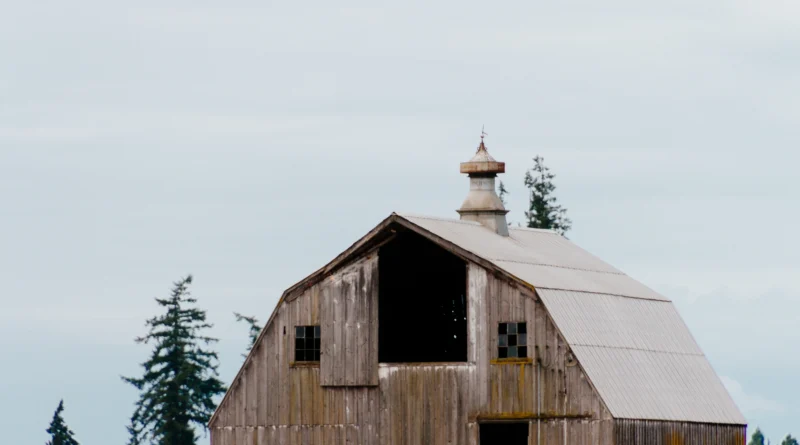
Why Are Modern Barndominiums Trending in 2026
The growth of the modern barndominium stands out as one of the most interesting changes in home building over recent years. People once saw these as special options just for country life. But now, barndominiums—which mix barn-like outsides with fresh inside spaces—are moving into everyday housing areas. They draw people in with their flexibility, low costs, and room for personal touches. As 2026 moves along, more folks and property buyers choose this style for main homes or spots to rent out short-term. It’s like how some families I know switched to these after seeing how much space they get for the money.
What Is Driving the Popularity of Modern Barndominiums?
The rising interest in modern barndominiums comes from a few key shifts coming together. These include money worries for homes, changes in daily routines, and new ideas in building design. City home prices keep going up. So, many people look for other choices that give plenty of room and a unique feel. They want comfort and good looks too. For instance, in places like Texas suburbs, young couples are picking these over cramped apartments because they can add a home gym without breaking the bank.
Affordable Construction and Customization
Builders often use steel frames or post-frame methods for modern barndominiums. These ways cut down on extra materials and worker hours. As a result, owners can tweak the inside setup a lot. They might add big open rooms or mix in work areas and home offices. And the price doesn’t jump too high. When you compare to old-style brick homes, the build time drops by months. Builders say the usual cost runs about $100 to $150 for each square foot. This depends on the extras and where you build (source: Home Builder Digest, 2025). That’s way cheaper than standard city houses. Plus, think about a family in Oklahoma who built theirs for under $200,000 total—room for four bedrooms and a garage, all done in half a year.
Design Flexibility and Aesthetic Appeal
The wide range of looks in a modern barndominium pulls in designers and home owners who like to get creative. High ceilings, open wood beams, and big windows make the inside feel light and cozy. Folks often mix old wood from reused spots with shiny metal or clear glass. This gives a clean, factory-like style that’s not too rough. In spots where rules allow homes that serve two purposes, these buildings work as art spaces or party spots. Traditional houses seldom offer that kind of switch. I recall a couple in Colorado who turned part of theirs into a small music studio—perfect for their weekend gigs without needing a separate shed.
Sustainability and Energy Efficiency
A lot of modern barndominiums add green touches like foam insulation, sun-powered panels, and smart air systems that save power. The steel parts can get recycled. They also hold up well against rain and wind, so fixes don’t happen often. With rules on the environment getting stricter in 2026, these helpful features make barndominiums a smart pick for people who care about the planet. For example, a builder in the Midwest shared how one project cut energy bills by 40% just by adding those panels—real savings over cold winters.
How Has Technology Influenced Barndominium Construction?
Tech has changed all parts of building homes, from planning pictures to putting things together on the spot. Barndominiums benefit from this too. Online tools help people picture tricky room setups. They also keep spending in check. It’s fascinating how a simple app can show you your dream kitchen before a single nail goes in.
Prefabrication and Modular Building Systems
Made-ahead pieces let workers put up buildings quicker. They keep tight control on quality too. Things like walls, roof supports, and top covers get built away from the site. Then, they ship over for fast setup. This step-by-step way cuts delays from bad weather. It also trims trash from the job. Those are big wins, especially in far-off or country builds where getting supplies used to be a hassle. Take a project in rural Georgia: they finished the frame in just two weeks thanks to these parts, even with summer storms rolling through.
Smart Home Integration
New barndominiums often include clever home tech. This covers auto lights, temp controls, and strong safety watches. Such add-ons make life easier. They help save on power too. People can check and adjust things from their phone, no matter where they are. That’s great for vacation homes or rentals where owners aren’t always around. One owner told me how it let them tweak the AC from the airport—arrived to a cool house every time.
Virtual Design Tools
Programs like Revit or SketchUp let future owners see room plans in 3D before work starts. This tech-based planning improves talks between buyers and workers. It also cuts down on expensive changes once building begins. In my view, it’s like having a magic window into your future home—saves headaches later.
Why Do Homeowners Prefer Rural or Semi-Rural Locations?
Barndominiums do best in wide-open areas. Land costs less there. Rules on building aren’t as tight either. The move to country living ties into bigger changes in how people work and play. Remote jobs have sped this up since the pandemic hit.
Space for Work-Life Balance
Remote work sticks around in many jobs now. Homeowners want spots that help them get work done and unwind. A modern barndominium’s big setup fits home offices easily. It doesn’t crowd the family areas. This matches how folks live after 2020. Picture a writer in Montana using the loft as an office—views of the hills keep inspiration flowing without the city noise.
Lower Land Costs
Land outside big cities costs much less per acre than near downtowns (U.S. Census Bureau Housing Data 2025). Buyers can spend more on nice touches or green fixes instead of just the plot. It’s a practical swap that opens doors for bigger dreams.
Community Appeal
Country towns focus on hands-on skills, living simply, and being close to the outdoors. Barndominium life matches those ideas well. People get quiet spots but not total alone time. Many areas group near small towns with shops and services a short drive away. Friends in a Nebraska community swear by the Friday farmers’ markets—fresh eggs and chats with neighbors make it feel like home.
Are Barndominiums a Good Investment Opportunity?
Aside from living in them, modern barndominiums draw investors who want solid gains from rent or selling later. The market shows steady interest, especially with unique designs standing out.
Short-Term Rental Potential
Sites like Airbnb note more people want special getaways with a mix of old and new styles (Airbnb Trends Report 2025). Barndominiums match this spot on. They look great in photos for ads. Plus, the roomy insides suit families or friend groups on trips. One investor in Tennessee rents theirs out 80% of the year—mostly to city folks seeking a weekend escape.
Long-Term Value Retention
Steel builds fight off bugs, dampness, and fires better than wood ones. So, upkeep stays low for years. With more folks liking different home types, sell prices stay firm. This holds even when the whole market shakes (National Association of Realtors Analysis 2025). It’s reassuring for anyone putting money in.
Tax Incentives in Certain Regions
A few U.S. states offer tax breaks or farm perks for homes under mixed rules. These cover living plus some farm work. Investors can boost profits by adding things like farm tours or parties. It turns the place into more than just a house.
How Does Design Innovation Shape Future Trends?
As tastes in buildings lean toward simple but useful styles, the modern barndominium sits right where old ways meet new ones. It’s evolving in ways that feel natural, not forced.
Hybrid Architectural Styles
Builders try out mixed looks. They combine clean Nordic lines with cozy U.S. farm vibes. This makes spaces that last and feel current. Look for more see-through fronts with rough stone or wood covers in 2026 shows at home fairs. A designer at one expo mentioned how these blends make homes feel welcoming yet modern—perfect for all ages.
Multi-Generational Living Concepts
The flexible plans in barndominiums work for big families. They want shared areas but private spots too. All under one roof. This idea grows as groups team up during tough money times. It’s common now for grandparents, parents, and kids to share costs and space.
Integration With Outdoor Living Spaces
Add-ons like outside cooking areas, long porches, and built-in yards boost how the home feels. They stretch the living room outdoors. These match the push for designs that link buildings to nature. It creates a smooth flow from inside to out. Imagine grilling on a porch while watching sunsets—simple joys that add real value.
What Challenges Do Builders Face When Constructing Modern Barndominiums?
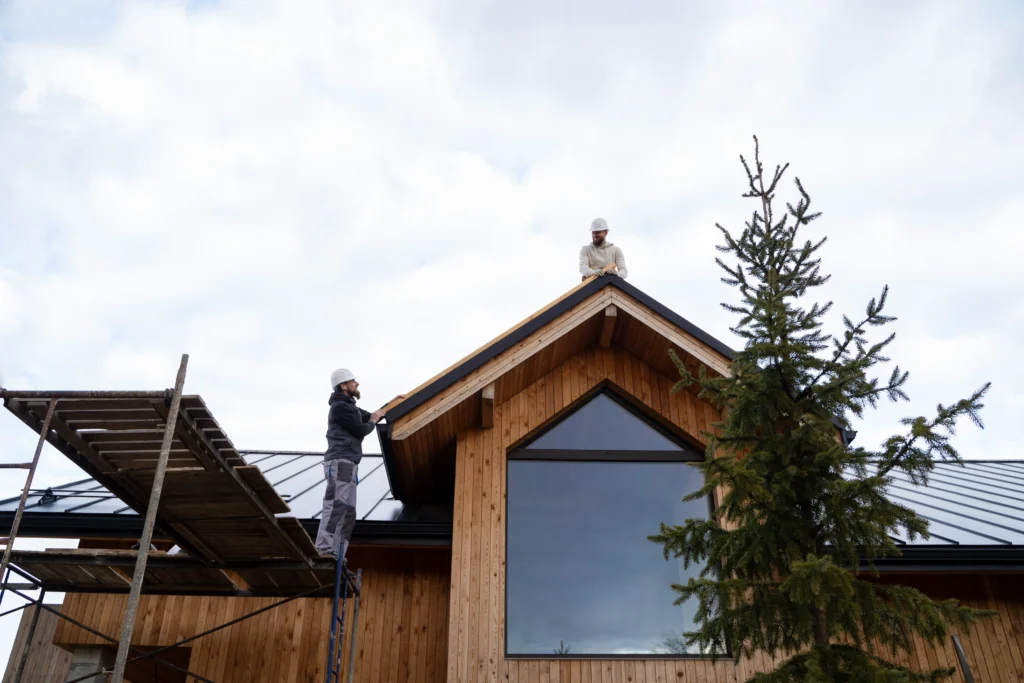
Even with their rise, putting up modern barndominiums brings special problems. Workers need skills in unusual build frames to handle them right.
Permitting Complexities
Rules on land use differ a lot by area. Some towns don’t have clear lines between home and farm metal builds. Getting approvals means close work between designers and officials from the start. Delays can happen if papers aren’t just right—I’ve heard of projects stalling for weeks over small wording issues.
Insulation Requirements
Metal setups need top-notch padding to stop moisture buildup in wet areas. Pros suggest sealed foam sprays with moisture blocks. It’s pricier upfront but keeps things comfy all year. Skip it, and you might face sweaty walls or high bills.
Contractor Experience Gaps
Not every builder knows how to handle post-frame or steel homes. Picking ones with real know-how matters. Wrong moves in setup can hurt the build’s strength over time. Always check references— a bad hire can turn a dream into a fix-it nightmare.
FAQ
Q1: What Is a Modern Barndominium?
A: It’s a hybrid structure combining barn-like exterior architecture with fully finished residential interiors equipped with modern amenities such as HVAC systems, plumbing, insulation, and smart technology integration.
Q2: How Long Does It Take To Build One?
A: Depending on size and customization level, most projects take between six to nine months from design approval to move-in readiness when prefabricated components are used efficiently.
Q3: Can You Finance a Barndominium Like a Regular Home?
A: Yes; however some lenders classify them differently under agricultural property loans requiring additional documentation regarding intended residential use before approval.
Q4: Are They Suitable For Cold Climates?
A: Properly insulated steel-framed barndominiums perform well even in cold regions provided thermal bridging is minimized through advanced insulation techniques recommended by certified builders.
Q5: Will Their Popularity Continue Beyond 2026?
A: Given ongoing affordability challenges across housing markets plus increasing consumer preference for customizable eco-conscious designs it’s likely their momentum will persist well into the next decade according to multiple industry forecasts (BuilderTrend Outlook 2026).