
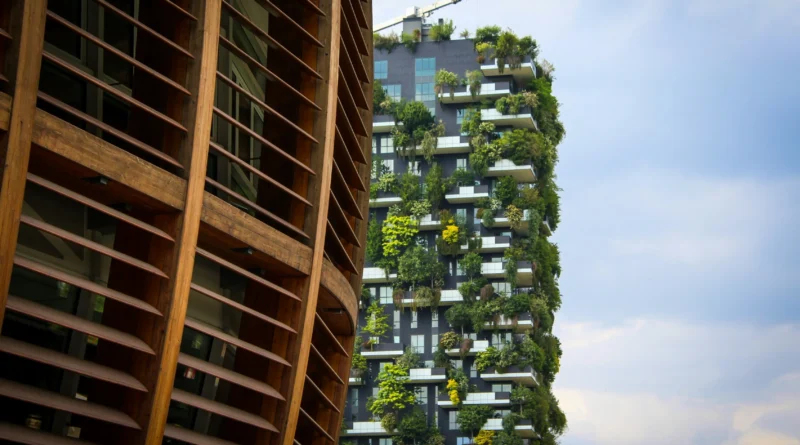
How To Create A Sustainable Building Design Easily
Designing a sustainable building is not just a special skill anymore. It is a key part of today’s architecture and building work. Cities keep growing. Environmental issues get worse. So, experts must now mix good performance, fair costs, and care for nature. This piece looks at ways to make a sustainable building design. It uses simple steps, some tech details, and real examples that fit current building rules. I remember working on a small office project once, and just by thinking ahead about sunlight, we saved a bunch on lights later—nothing fancy, but it worked.
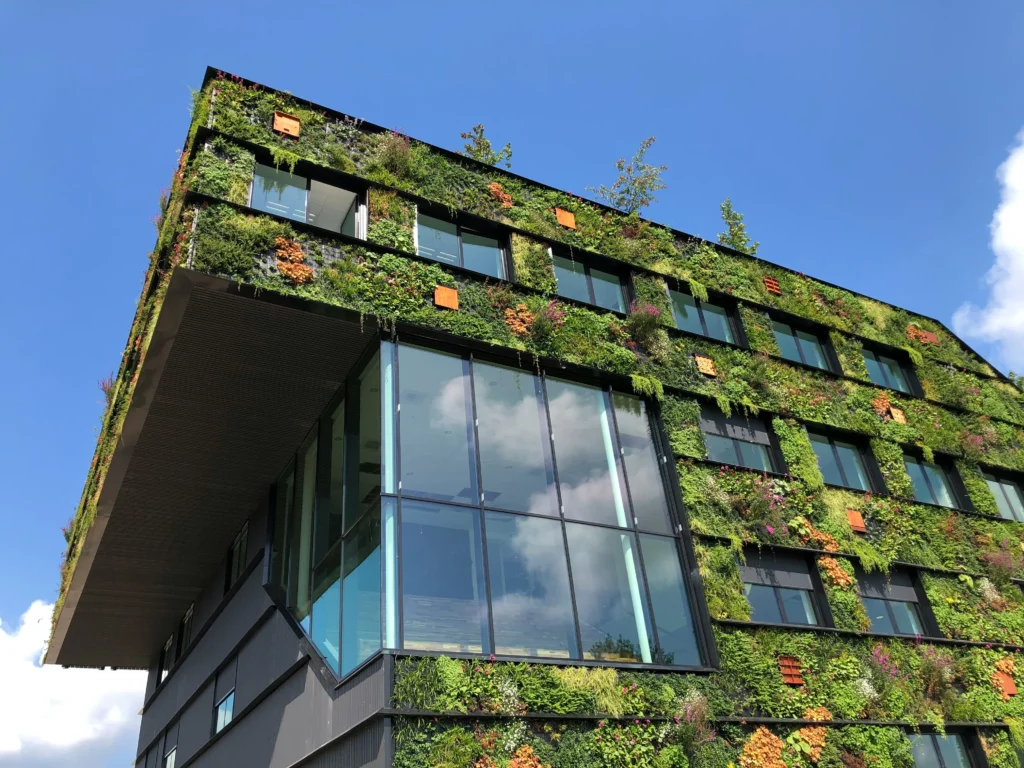
What Are the Core Principles of Sustainable Building Design?
The base of any sustainable design comes from its main ideas. These ideas make sure every choice—from picking materials to setting up energy systems—helps long-term nature goals. At the same time, they keep the building useful and comfy for people inside.
Energy Efficiency and Passive Design
Energy saving is the main support for green architecture. Passive ways, like pointing buildings to catch sunlight or using heavy materials such as concrete or brick for heat storage, cut down on needs for heating and cooling. In places with very hot or cold weather, things like double-layer walls and strong glass windows can drop energy use by as much as 40%, based on info from the U.S. Department of Energy (2022). You might add light sensors that turn off when it’s bright outside. Or use smart air systems that change based on how many people are around. It’s straightforward, really—I’ve seen it in a school redesign where kids could read without harsh lights all day.
Resource Conservation
A real green building cuts waste by saving resources. This means using old structures again, choosing stuff with recycled parts, and lowering water use with simple low-flow taps or systems that reuse sink water. For example, projects that get LEED certification often save up to 30% on water over normal designs (U.S. Green Building Council, 2021). And in rainy areas, those greywater setups can handle garden watering without pulling from the main supply—practical for busy spots like apartments.
Indoor Environmental Quality
Good inside spaces boost how people feel and work better. Safe paints without bad chemicals, glues free of VOCs, and strong air flow systems keep the air clean. Adding nature touches, such as plenty of sunlight or plants, can improve thinking skills by almost 26%, from research at Harvard’s T.H. Chan School of Public Health (2019). Think about an office with a few indoor trees; folks there seem less stressed, even on tough days.
How Can You Integrate Renewable Energy Into Your Building Design?
Adding clean energy sources is a top way to lower harmful gases from buildings. It also brings savings over time for running costs. We can’t ignore how sunny days in places like California make solar a no-brainer, but let’s break it down.
Solar Power Systems
Solar panels are the easiest clean energy option for most buildings. You can put photovoltaic (PV) modules on roofs. Or blend them into walls with building-integrated photovoltaics (BIPV). Pair them with battery storage, and they might cover up to 70% of a building’s yearly power needs. This depends on where it is and how it’s angled. In one neighborhood project I heard about, they powered the whole community center this way during peak sun hours.
Wind Turbines for Urban Areas
Small wind turbines are not as common as solar, but they work well in breezy spots or near the sea. Vertical-axis types fit city settings because they are small and grab wind from all sides. They might not spin like big farm ones, but for a tall building in a gusty downtown, they add a nice extra boost without taking much space.
Geothermal Heating and Cooling
Geothermal setups pull steady ground heat for warming or cooling buildings in a smart way. They usually cut air system energy by 25–50%, per the International Renewable Energy Agency (IRENA, 2020). Upfront costs are higher, sure. But they pay back in 5–10 years through lower bills. Imagine a quiet suburb home staying cool in summer without the usual fan noise— that’s the appeal.
Why Is Material Selection Crucial in Sustainable Architecture?
Picking the best materials sets a building’s mark on the environment. It also affects how long it lasts and how well it works over years. Sometimes, folks overlook this, but skipping it can mean higher fixes down the line.
Locally Sourced Materials
Getting materials close by cuts down on travel fumes and helps local jobs. For instance, wood from forests managed well and checked by the Forest Stewardship Council (FSC) tracks where it came from and keeps cutting fair. Using nearby stone for walls, like in a rural clinic, feels right and saves on truck trips.
Recycled and Low-Impact Materials
Steel from old scrap, wood pulled from past builds, or concrete mixed with fly ash swap in for usual stuff without losing power. These choices drop the hidden carbon—the full gas output from making materials. It’s like giving waste a second life; one factory I know uses this for bridges that hold up just as strong.
Life Cycle Assessment (LCA)
An LCA checks a thing’s effects on nature from start to end—from digging it up to throwing it away. This helps planners pick based on facts. Tools like One Click LCA or Athena Impact Estimator get used a lot by pros for these checks. Running one on a simple garage showed us how switching to recycled bits saved tons of emissions over time.
How Does Smart Technology Contribute to Sustainable Buildings?
Smart tech changes how buildings run day to day. It gives tight control on power use, fix schedules, and comfort for those inside. Not every building needs the latest gadgets, but a few basics go far in everyday spots like stores or homes.
Building Automation Systems (BAS)
New BAS setups watch lights, air systems, safety, and water from one main screen. They look at live info and spot waste on their own. For example, they dim lights when sun comes in. This stops extra power drain. In a hotel chain, this cut bills noticeably without guests noticing a thing.
Internet of Things (IoT) Integration
IoT gadgets gather detailed info from sensors all over a building. That data helps fix things before they break, saving time and stuff. Picture a sensor catching a leaky pipe early— no big flood mess.
Data Analytics for Performance Optimization
Data tools study building trends over months. Managers compare what they thought would happen to real use. Then they tweak things. This gets common in projects aiming for zero energy waste around the world. One team used it to adjust a mall’s cooling, and it felt more even throughout.
What Role Does Urban Planning Play in Sustainable Design?
Green design goes past single buildings. It links right to city planning that shapes whole neighborhoods. Planners who mix this in create spots where life flows better, less rush hour jams included.
Transit-Oriented Development (TOD)
TOD pushes dense building near bus or train stops to cut car use. People there make 43% less CO₂ each than in spread-out suburbs (World Resources Institute, 2020). Walking to work beats driving, especially in growing towns like Portland.
Green Infrastructure Networks
City makers add parks, green roofs, rain gardens, and soft pavements to handle rain the natural way. This boosts plant and animal life too. Singapore’s “City in a Garden” shows how green fits tight spaces and makes daily life nicer. Even small additions, like a park bench under trees, change the vibe.
Mixed-Use Communities
Mixing homes, shops, and play areas close together builds walkable spots. This sparks chats among folks and cuts travel gases. It’s a big part of green city ideas from groups like C40 Cities. In mixed blocks, kids can bike to school safely— a win for parents.
How Can Certification Systems Support Sustainable Building Goals?
Getting certified gives clear goals to check green claims. It guides teams through tough rules. These systems aren’t perfect, but they push everyone to aim higher.
LEED Certification
The Leadership in Energy and Environmental Design (LEED) scores projects on parts like power saving, water cuts, material picks, and fresh ideas. LEED Platinum means top green work known everywhere.
BREEAM Standards
From the UK, BREEAM checks green side across build steps, including how it’s run and nature boosts. It’s one of Europe’s full checks for building green.
WELL Building Standard
LEED eyes nature stats, but WELL looks at health—like clean air, food options, light feel—that affect how people do inside green places. A WELL spot might have better sleep nooks for night shifts.
FAQ
Q1: What is the main goal of sustainable building design?
A: The key aim is to cut bad effects on nature. At the same time, it boosts smart use of resources over a building’s full life—from build to daily run.
Q2: Are green roofs worth installing on commercial buildings?
A: Yes. They insulate well and drop heating costs by up to 25% each year. Plus, they make roofs last much longer than plain covers. In wet climates, they even help with rain control, like on a warehouse I saw.
Q3: How does passive solar design differ from active solar systems?
A: Passive solar uses build shapes like window aims or heat-holding walls without machines. Active ones need gear such as PV panels or sun water heaters. Passive is cheaper to start but needs good planning.
Q4: Which software tools assist architects in designing sustainable structures?
A: Programs like Autodesk Insight for power checks or One Click LCA for full life reviews get used a lot by pros everywhere. They’re handy for quick what-ifs on a draft.
Q5: What future trends will shape sustainable architecture?
A: Look for more AI tools that adjust power on the fly. Also, circle economy ways that reuse stuff over making new will grow. With climate talks heating up, expect quicker changes in how we build homes and offices.