
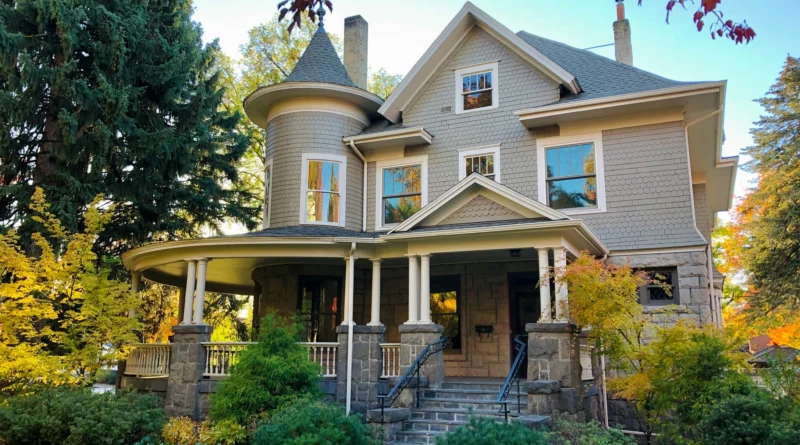
What Different House Styles Add The Most Value
Buying or fixing up a home goes beyond just liking how it looks. It also involves money matters. The building style of a house can really affect its selling price, how welcoming it seems from the street, and how much people want it over time. For folks investing in property or working in design, understanding which house styles boost value the most can help make better choices in building and selling. I remember chatting with a realtor friend who said a simple style tweak turned a boring house into a hot seller overnight.
Why Do Certain House Styles Increase Property Value?
The link between building design and worth is not straightforward. Some styles draw buyers because they show good work or last forever. Others match today’s ways of living or save on energy. Things like the local weather, what neighbors like, and the area’s history all matter a lot. They decide which homes gain worth quicker. For instance, in rainy spots, homes with good roofs hold up better and sell for more.
Timeless Architectural Appeal
Old-school designs like Colonial, Craftsman, and Tudor keep pulling people in year after year. These houses give off a sense of staying power and solid build. They use even shapes, real stuff like wood or brick, and nice touches. Buyers often think of them as made to endure. So, they fetch higher prices even when the market dips. Take a Colonial home I saw in Virginia; its clean lines made it stand out amid newer builds.
Regional Compatibility
A Mediterranean-style place shines in sunny California. But it might not fit well in chilly Minnesota. When the style matches the area’s feel and weather, it pulls in more folks wanting to buy. Coastal spots often go for Cape Cod or Beach Cottage looks. These tie into the laid-back life by the water. It’s like the house belongs there, which makes buyers feel right at home.
Functionality and Modern Living
Big open spaces inside, plenty of windows, and spots that blend with the yard are what people want now. Newer styles like Contemporary and Modern Farmhouse fit these needs. They offer roomy setups for families who work remotely or have guests over. This match with daily life bumps up the home’s worth. In fact, a study from a housing group noted that open plans add about 5% to the price tag in family neighborhoods.
Which Traditional House Styles Hold the Highest Resale Value?
Older home types often top the selling lists. They mix what people know with looks that don’t fade. The careful work in them appeals to many buyers. These folks like real charm over passing fads. Plus, they suit a wide range of ages and needs.
Colonial Homes
Colonial houses rank high among old styles for their even build, brick fronts, and nice balance. You can update them inside without messing up the outside charm. Buyers like this because it saves money on fixes or adds later. In places like the East Coast, these homes sell for 10-15% more than plain boxes, based on local sales data from last year.
Craftsman Bungalows
Craftsman bungalows highlight handmade feel with visible wood beams, trim, and rock bases. In cities like Seattle or Portland, they get top dollar. That’s because they mix cozy vibes with smart use of space for city life. One bungalow I toured had a porch that made the small lot feel huge—perfect for coffee in the morning.
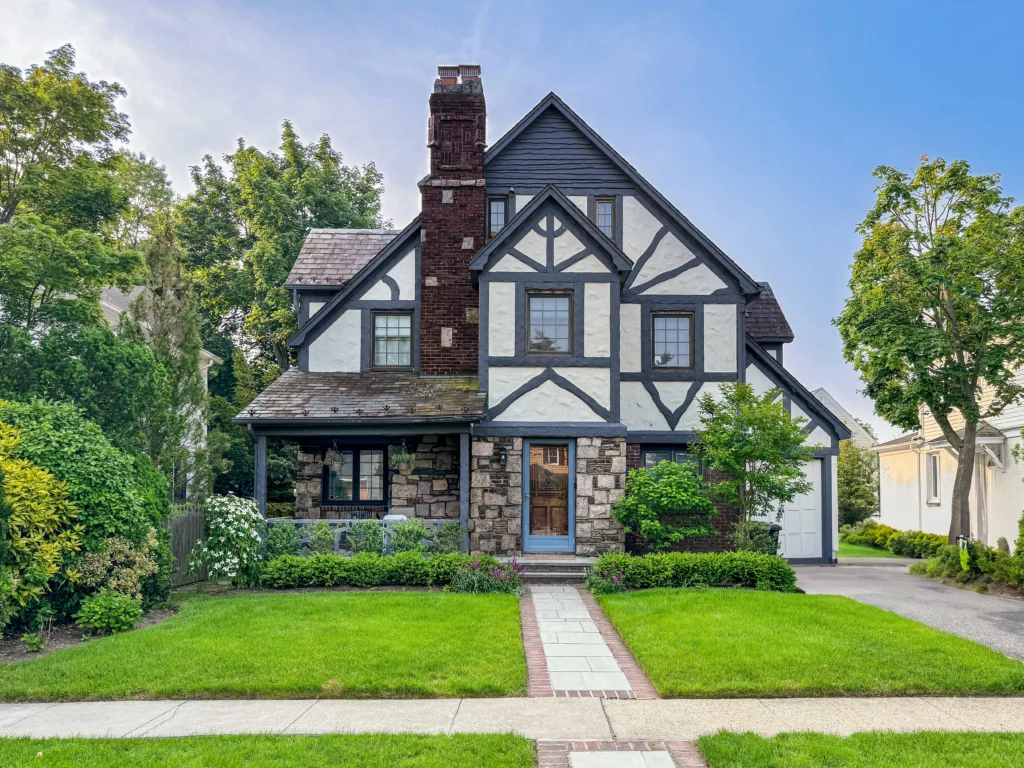
Tudor Revival Homes
Tudor Revival spots have sharp sloped roofs and fake wood beams that nod to old Europe. They usually sit on bigger lots in settled areas. This brings quiet and a touch of class. Both push the price per square foot higher than fresh suburban houses. Neighborhoods with these often see steady rises, even in tough times.
How Do Modern Designs Affect Market Perception?
Fresh building ways have gone from fancy extras to what many city folks pick. Buyers who like straight lines and green materials pay extra for ideas that fit their daily routines. It’s not just show; it’s about living better. Interestingly, in hotter markets, these homes sometimes sell before they’re even listed.
Contemporary Minimalism
Contemporary minimalist houses keep it simple with flat tops, lots of glass, and plain colors. They look sleek and roomy. These places take great photos for online sites. That boosts how many people check them out. First looks matter a ton on real estate pages. Data from the National Association of Realtors in 2023 shows they get way more views than usual posts.
Mid-Century Modern Homes
Houses from the mid-century era, say 1945 to 1970, are hot again. They have open insides and connect to the outdoors with big windows or doors that slide. Fixed-up ones sell for more than similar spots. That’s thanks to fond memories plus new perks like smart lights or sun power setups. These improve how well the home uses energy. Zillow’s 2022 research points out the combo drives up bids.
Modern Farmhouse Style
The modern farmhouse blends country feel with easy living. Think white walls, dark frames on windows, and tin roofs. It’s been big in new builds in the suburbs since 2018. Reports from the Home Builders Association back this up. It appeals to all sorts of people. So, it holds value well, even if the whole market slows. Families love the mix of old and new.
What Role Does Energy Efficiency Play in Valuation?
Saving energy in design has grown as a key player in home worth over the last ten years. Buyers now tie it to lower bills over time, not just being kind to the planet. In sunny areas, for example, homes with good shades cut cooling costs by half, making them a smart buy.
Passive House Design Principles
Passive House builds cut down on heat or cool needs. They use top-notch insulation and tight seals. Upfront costs run 5 to 10% higher. But they sell for about 7% more later. That’s from smaller energy bills, per U.S. Department of Energy info. Owners save hundreds yearly, which adds up.
Solar-Integrated Architecture
Solar setups on roofs are common now in warm states like Arizona or Nevada. Homes ready for these panels lower running costs. They also get tax breaks. Buyers look at full ownership expenses, not just the upfront price. This view boosts how valuable the place seems. One solar home I read about paid for its panels in just five years.
Smart Home Automation
Smart controls for heat, lights that adjust, and shades that move on their own save power. They also make life comfier. Today’s buyers see this as clever tech, not over-the-top spend. Surveys from Realtor.com in 2023 say homes with these sell up to 20 days quicker. It’s a win for sellers in a rush.
How Do Regional Trends Influence Style-Based Appreciation?
Building styles don’t stand alone. They react to the land, local ways, and how the market moves in each spot. Spotting these details lets experts guess which styles will do best nearby. Weather can flip national likes upside down sometimes.
Coastal Markets
Along coasts in Florida or California’s shore, raised homes on posts or Spanish-style villas lead. They handle floods and match the beach life with sea sights. Investors know these traits drive high prices. Sure, salt and damp mean more upkeep, but the views pay off. Hurricane-proof features alone add 8% in value there.
Urban Centers
In big cities, people want efficient space over fancy bits. So, turned lofts or factory-look apartments beat detailed old Victorians. Being near city perks matters more than pretty past styles. This varies by place, like Chicago’s tight spots versus Atlanta’s spread-out feel. The Urban Land Institute’s 2021 report covers these shifts well.
Mountainous Regions
In hilly areas, log cabin builds with wood frames blend right in. They keep warmth in cold weather. These homes stay rented out a lot for getaways. That brings extra cash beyond just rising worth. Since 2020, travel changes have made this even bigger, as AirDNA’s 2023 reports note. A cabin rental can earn $20,000 a year easy.
Can Renovations Transform a Home’s Style Value Ratio?
Yes, but pick updates wisely. Full style changes can turn off locals who know the area’s look. Rules in old zones or groups limit big outside shifts. These date back to mid-1900s laws for keeping history, as the National Trust for Historic Preservation explains. Smart fixes keep the good and add worth without fights.
Exterior Facade Updates
Swap old wall covers for tough fiber cement that looks like real wood. It keeps the true feel but lasts longer. Appraisers check upkeep needs when setting prices. This affects loan amounts based on how long it will hold up. Rules from USPAP, updated in January 2024, guide them. In my experience from home shows, these swaps make a house pop without costing a fortune.
Interior Layout Adjustments
Open up the kitchen to the living room. This brings old plans in line with what people want today. The outside stays the same, keeping history. It raises how livable it feels. Online value tools use this in their math. They pull from buyer likes and sales data, refreshed every few months since 2022. MarketWatch’s tech review dives into it.
Landscaping Enhancements
Make the yard match the house’s style with plants from around there. This boosts street appeal in checks against other homes. Adding local flowers to a Craftsman yard strengthens the real charm. It often adds 2 to 4% to the appraisal in mild weather areas. The American Society of Landscape Architects Journal, volume 118 issue 3, shares case studies on this. Yards like that make walks in the neighborhood more enjoyable.
FAQ
Q1: Which house style generally adds the most resale value today?
A: Colonial and Modern Farmhouse styles currently lead resale performance because they balance tradition with adaptable interiors favored by modern families.
Q2: Are contemporary homes riskier investments than traditional ones?
A: Not necessarily; contemporary designs perform well in urban markets where minimalism aligns with local demographics seeking low-maintenance living.
Q3: Does energy efficiency always guarantee higher property value?
A: It strongly contributes but depends on buyer awareness levels; regions emphasizing green certifications show clearer premiums.
Q4: How can regional trends override national style preferences?
A: Local climate adaptation requirements—like hurricane resistance along coasts—often dictate preferred architectural forms regardless of national fashion cycles.
Q5: What renovation offers the best return related to style improvement?
A: Updating exteriors using durable materials matching original aesthetics typically yields top-tier ROI without risking stylistic inconsistency penalties during appraisal reviews.