
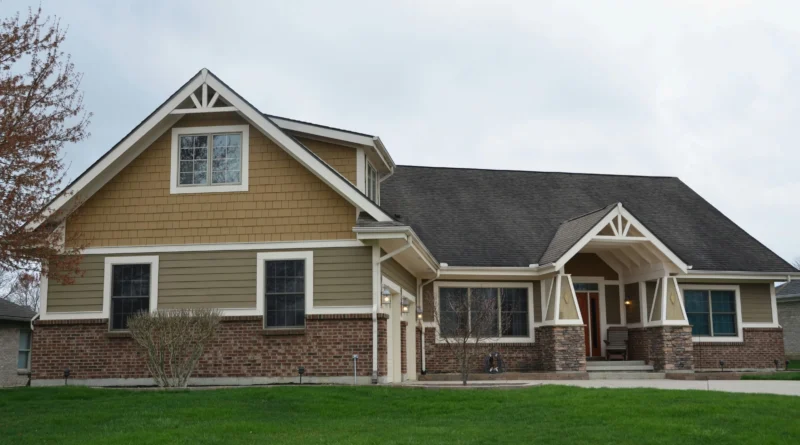
Modern vs Traditional Different House Styles Compared
The variety of house styles shows how people’s wants, beliefs, and tools change as time goes on. When you look at modern and traditional homes side by side, it’s not only about looks. You’re digging into big changes in culture, new ways to use materials, and how folks live day to day. Each building style shares a tale from its own time, how it fits the weather, and what society valued back then. For those who study home design closely, checking out these styles gives a clear view of how shape and purpose come together in a world that keeps shifting.
What Defines Modern House Styles?
Modern building styles came about because of big factories and the push for smart, quick designs. They go for plain looks, wide-open rooms, and a close tie to the outside world. People often see the modern home as a bold sign of simple living and new tech advances. It skips fancy extras in favor of basic shapes and bright light.
Minimalist Design Philosophy
Modern homes aim for straight lines and clear spaces without mess. Builders swap out walls for big windows or see-through panels. This lets the inside blend right into the yard or garden. They pick stuff like steel, concrete, and glass because these show the real bones of the house. You see exactly what keeps it standing. The style cuts out extra frills. It puts the spotlight on balance and natural glow instead.
Functional Layouts for Contemporary Living
Every part of modern design thinks about how it works in real life. Open floor plans let rooms shift around easily. For example, the living area flows into the kitchen. This setup helps families chat and hang out more. Smart storage spots hide things away. They keep the place looking neat. At the same time, they fit busy days where quick fixes beat showing off stuff.
Integration of Technology
Smart home setups now play a key role in modern buildings. You can control lights, heat, locks, and TVs with apps or just your voice. Plus, things like power-saving gadgets and sun-powered panels show up a lot. They match goals for a greener planet. And they keep daily life comfy. Think about a family in Seattle using voice commands to dim lights during rainy evenings—it’s practical and feels like the future without overdoing it.
How Do Traditional House Styles Reflect Cultural Heritage?
Traditional house styles hold onto the heart of local ways, skilled work, and old stories. They grew from nearby stuff and weather patterns way before designs spread worldwide. Every bit, from the roof’s slant to window edges, carries deep meaning from the past.
Regional Materials and Techniques
Traditional homes grab materials right from the area, like wood in cool Nordic spots or mud bricks in sunny Mediterranean places. These choices cut down on hauling costs. They also give built-in warmth or coolness that matches the local air. Skilled hands shape the details. Hand-cut wood or stacked stones add a unique touch. No factory line can match that personal feel. In places like rural England, folks still use oak beams passed down through generations, adding a layer of family history to the walls.
Ornamentation and Symbolism
Different from modern plainness, traditional building loves added touches. Arches, trim, and pillars show off roots or standing in the community. Take Victorian houses, for instance. They have detailed fronts with colored glass that hinted at wealth during the big factory boom. These bits weren’t just pretty. They told stories about pride and progress in everyday life.
Layouts Based on Social Customs
Traditional room setups mirror how families worked and got together. In lots of Asian homes, a middle yard pulls everyone in for shared time. It links grandparents, parents, and kids all under one roof. Western old-style houses go for even sides. This setup gave a sense of calm and steadiness. Picture a big Italian villa where the courtyard buzzes with meals under the stars—it’s all about those old habits keeping people close.
Why Do Homeowners Choose Between Modern and Traditional Styles?
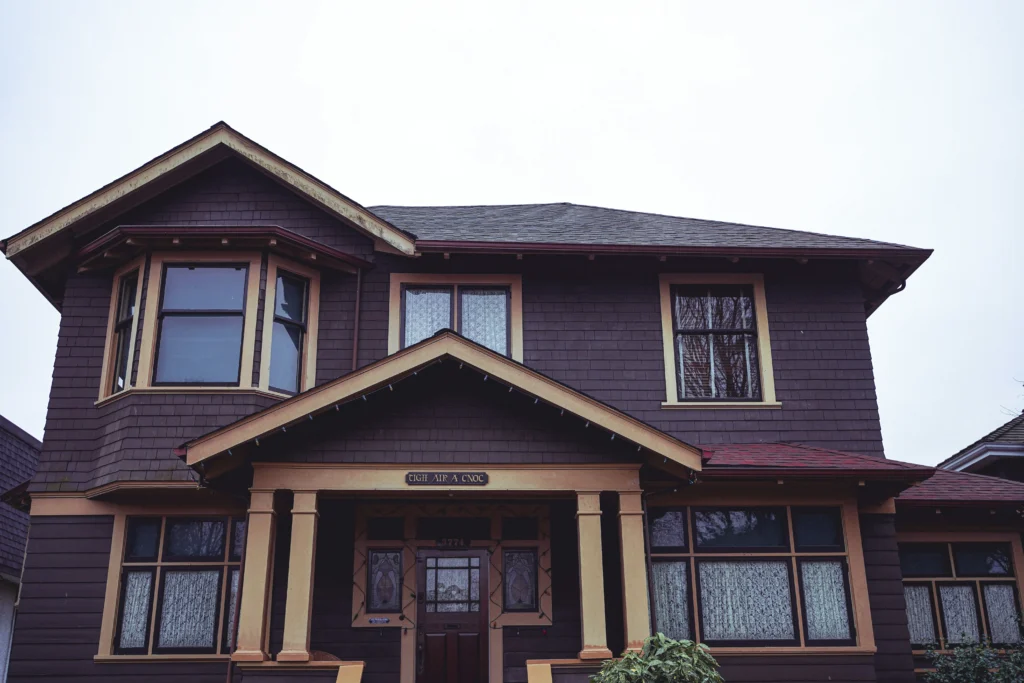
People pick one style over the other based on what matters to them deep down, not just surface appeal. Some chase fresh ideas. Others stick with fond old memories. It’s personal, really, and often ties back to where life takes you.
Lifestyle Considerations
City workers might pick modern spots for their roomy flows that match quick routines. A young couple in New York could love how the kitchen blends with the lounge for easy weeknight dinners. On the flip side, bigger families who hold onto routines often go for traditional setups. These have clear-cut rooms for quiet moments or formal chats.
Emotional Connection
Traditional buildings bring a cozy vibe with rough textures. Wood ceilings or stone hearths pull at heartstrings, like echoes of grandma’s house. Modern areas tug at feelings in a different way. Their wide spaces stand for breaking free from daily clutter. It’s like breathing easier in a spot that doesn’t box you in. Both pull you in, but for reasons that hit home differently.
Investment Perspective
When it comes to money, both kinds of homes keep their worth. But they draw different crowds. Sleek modern places pull in younger folks who want less fixing up. Say, a tech-savvy buyer in Austin eyeing low-effort upkeep. Traditional ones catch older eyes that prize solid work and lasting build. According to real estate stats from the past five years, traditional spots in historic areas hold value steady, sometimes climbing 5-7% yearly in places like Boston.
How Do Materials Influence Different House Styles?
What you build with shapes how the house looks and holds up. It touches on strength, power use, price, and even how it makes you feel inside. Choices here aren’t random—they tie straight to the style’s core.
Natural vs Industrial Materials
Old-style houses lean on earth-grown stuff like timber or earth mixes. These wear well with age, gaining character. Modern setups grab factory-made items such as metal bars or tough concrete. They aim for exact fits and easy care. In rainy Oregon, natural wood might warp less than you’d think if treated right, while concrete shines in dry deserts for its no-fuss durability.
Sustainability Factors
Today’s builders mix old and new thinking more often. They use green picks like reused timber in simple rooms or scrap metal outsides drawn from factory looks. This cuts harm to the earth. It keeps the style true too. For instance, a project in California might recycle old barn wood for beams, blending eco smarts with a nod to the past without feeling forced.
Aesthetic Impact
The feel of materials sets the tone. Smooth concrete grounds give a sharp, cool edge. Jagged stone sides bring a solid, endless calm. Builders sometimes pair opposites. They mix soft warmth with crisp lines in homes that bridge times. This creates spots that feel lived-in, not sterile. I’ve seen it in neighborhood tours where folks point out how a stone accent softens a glass-heavy front.
Are Hybrid House Styles Becoming More Popular?
Yes, mixes of modern ease and old-world appeal are catching on around the world. They offer a middle ground between cutting-edge changes and comfy knowns. It’s like getting the best of both without picking sides fully.
Transitional Architecture Trends
This wave pulls in time-tested sizes with fresh coats. Picture a sloped roof next to huge clear panels. Or rough beams around bare rooms. Homeowners dig this mix. It honors real roots while stepping forward. In growing suburbs like those near Denver, these homes sell fast because they fit families who want tech without losing charm.
Adaptive Reuse Projects
Designers now turn worn buildings into fresh homes. They keep the outer history intact. This green way, called adaptive reuse, saves resources. Turning a farm shed into a city flat or a storage spot into living quarters shows old skills meeting today’s wants. One example from Chicago revived a 1920s factory into lofts, where original bricks hug modern kitchens—buyers love the story behind it.
Market Demand for Personalization
Shoppers crave places that match their own vibe, not locked-in types. Tailoring lets you toss in bits like aged floor tiles in a wide kitchen setup. This freedom shapes how homes sell now. It’s evolving the whole scene, with custom jobs up 20% in the last couple years per housing reports. Folks aren’t settling; they’re crafting spots that feel uniquely theirs.
How Does Location Affect the Choice of House Style?
Where you build rules more than any passing fad when it comes to real-world sense. Land, air, and rules all play in.
Climate Adaptation
In warm spots, old Mediterranean builds use fat walls to block heat. Inside stays cool without fans running all day. In contrast, Nordic modern homes let in tons of sun through wide glass to fight dark, cold months. A home in Phoenix might skip big windows to dodge the blaze, while one in Minnesota begs for them to chase away winter blues.
Urban vs Rural Contexts
Town people often grab small modern builds that stack up high. Land is tight, so vertical wins. Out in the country, owners pick spread-out traditional plans. They add verandas or yards that link to the land’s flow. Rural spots in Texas, for example, often feature wide porches for evening sits, pulling in the wide-open feel that city life misses.
Regulatory Constraints
Old town areas might block outside changes. You have to stick to the first look. New neighborhood plans push fresh builds that match rules for better power use. These come from guides set after 2010 by the U.S. Department of Energy. It’s about keeping things safe and green, like requiring better seals on doors in windy spots.
FAQ
Q1: What Is the Main Difference Between Modern and Traditional House Styles?
A: Modern styles stress plainness, tech ties, and wide rooms. Traditional ones center on added details, skilled builds, and signs from local pasts.
Q2: Can You Combine Modern Features With Traditional Architecture?
A: Yes. Lots of creators make in-between homes. They mix old frames with smooth touches or brainy systems. All while holding onto the past’s feel.
Q3: Which Style Offers Better Energy Efficiency?
A: Modern homes usually do better. They use new seals like triple glass or sun-ready tops. But old thick walls give natural heat control too. It depends on the area’s weather, as noted in the EPA Building Technologies Office Report 2023.
Q4: Are Traditional Houses More Expensive To Maintain Than Modern Ones?
A: Costs depend on how well the stuff holds up. Fancy wood needs fresh coats now and then. Concrete outsides ask less work but cost more at the start. See Remodeling Magazine’s Cost vs Value Report 2022 for details.
Q5: What Future Trends Will Shape Different House Styles?
A: Look for more blends of green stuff from old ways and clever tech for low-power homes. This will drive changes in worldwide building past 2030, says the World Green Building Council. It’s exciting how these shifts might make everyday spots smarter and kinder to the planet, even if it means rethinking some basics along the way.