
How Does Green Sustainable Architecture Work
Green sustainable architecture plays a big role in how we build things today. It does more than pick energy-saving stuff or add solar panels. The whole idea blends looking after the earth, making sure people feel good inside, and picking choices that save cash in the long run. People working in architecture and building fields know sustainability is important. The real puzzle is figuring out how to apply it right in planning, picking materials, and running the place day to day. Projects that miss these parts often end up with surprise costs down the line, and that’s a headache for everyone involved.
What Are the Core Principles of Green Sustainable Architecture?
Green sustainable architecture sticks to simple guidelines. These deal with damage to nature, well-being for folks, and building performance right from the beginning until the end. The guidelines steer every step in the planning process. They start with the initial sketch and go all the way to taking it apart. Plus, they explain the links between buildings and their surroundings.
Energy Efficiency and Resource Conservation
Energy efficiency stands as the central piece in green sustainable architecture. Data shows buildings take up roughly 40% of global energy, from the International Energy Agency (IEA, 2023). Builders aim to reduce that by using basic planning ideas. For instance, they position structures to catch sunlight properly. They add solid insulation layers. They install smart systems for heating and cooling. All this works to cut down energy required for everyday tasks. Yet, it still lets those inside stay comfortable. Picture a house in a bright area that remains cool all summer without the air conditioner blasting constantly. That captures the concept perfectly in real life.
Use of Renewable Materials
Sustainable architecture chooses items that can regrow or get recycled easily. Common picks are bamboo, reused wood, or types of concrete that produce less carbon. Designers go further than just selecting them. They look at all the power spent in creating these materials. That’s known as embodied energy. Checking this reduces the overall bad effects on the earth from the structure. This way lines up with circular economy thoughts too. It encourages reusing items or breaking them down for new uses once the building is done. Take a certain office project. Reclaimed wood there didn’t just protect forests. It also created a cozy, one-of-a-kind feel that the owners really liked. Such choices add personality without extra waste.
Environmental Integration
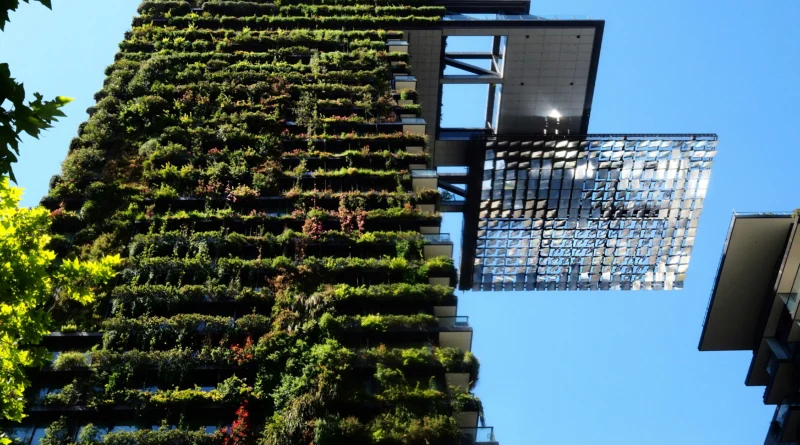
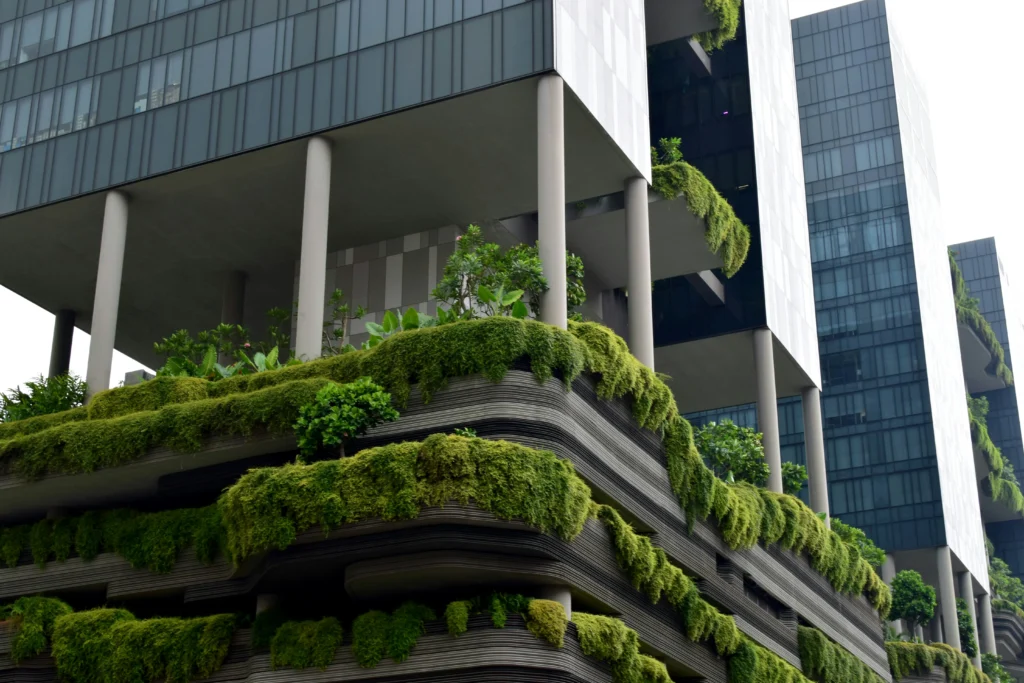
A genuine sustainable structure blends well with its local setting. It avoids clashing with natural features. Planning that fits the location considers nearby weather patterns, growing plants, and how water moves. Green roofs, for one, help lessen heat trapped in urban zones. They manage rain runoff more effectively as well. Dry regions benefit from using hardy plants that need little water. This is called xeriscaping, and it greatly reduces watering demands. These aren’t empty ideas. Places such as Los Angeles have noticed actual savings on water costs after adopting them. Even small yards in neighborhoods show how it cuts monthly expenses by 25% or so.
How Do Design Strategies Promote Sustainability?
Planning takes a key position in making sustainability practical and effective. An intelligent green structure cuts energy waste. It also improves the experience for users indoors. And it supports the building’s durability over many years. Now and then, planners skip minor adjustments. Those could lead to major gains, such as resizing windows to improve air movement. Overlooking that might mean relying more on fans later.
Passive Design Techniques
Passive design draws on elements from nature, like sunlight and breezes, rather than relying on equipment. It features openings that allow air to circulate freely. Or it uses walls that store warmth. Such elements maintain even temperatures with minimal work. Areas with gentle climates gain from south-oriented windows. These pull in heat during cold months. Overhangs then shield against hot rays in warmer seasons. The approach is direct. Real-world tests show it halves power needs in certain houses. A family home in California, for example, barely used its heater after these changes.
Adaptive Reuse and Retrofitting
Updating existing structures for fresh roles is better than knocking them down. It preserves loads of carbon embedded in the original build. Efforts to convert old warehouses into living spaces honor their background. They combine eco-friendly aims with protecting heritage. Updating brings in current features, including improved insulation, all without a complete redo. A specific warehouse-to-apartments site in New York reduced its power demands by 60% through this. The old brick walls stayed, adding charm while saving resources. It’s practical for cities short on space.
Smart Building Technologies
Current sustainable structures include gadgets that track energy spending in the moment. Devices sense when rooms empty and switch off lights. They tweak settings based on outside brightness too. Thermostats that learn habits adjust warmth and chill automatically. No need for manual changes. This setup acts almost like an invisible helper built into the framework. In a busy clinic, it kept costs steady even with varying patient numbers.
Why Is Water Management Essential in Sustainable Architecture?
Shortages of water affect nearly two-thirds of the world’s population for one month yearly, as noted in the UN Water Report 2022. Good water handling is crucial for every green construction effort. Lacking it means top plans might fail in tough dry periods. Builders in coastal towns know this firsthand from past shortages.
Rainwater Harvesting Systems
Collecting water from rooftops helps with tasks like garden watering or toilet use. This lessens dependence on public supplies. Cleaning filters make it fit for those everyday, non-drinking jobs. In the long term, expenses drop noticeably. Wet areas like Seattle find these setups gather plenty. They handle about half of a residence’s outside water requirements. One backyard system there filled barrels that lasted through dry weeks.
Greywater Recycling
Greywater comes from basins or baths. It receives on-site cleaning. After that, reuse happens in yards or for cooling equipment. The process preserves clean water sources. It cuts down on sending used water to public pipes. This forms a clever cycle for keeping supplies in play. A simple home setup reused enough to water flowers without extra taps.
Low-Flow Fixtures and Appliances
Fitting taps with low water flow, toilets offering two flush levels, and machines that use less water reduces inside consumption by as much as 30%. These pieces have low starting prices. However, they yield large reductions in costs over time. That’s true particularly in larger setups. A chain of hotels switched and saved thousands each year. The change was quick, and guests didn’t notice a difference.
How Does Green Architecture Improve Indoor Environmental Quality?
Indoor environmental quality, called IEQ, influences health and productivity immediately. Architects focus on it heavily when creating work areas or houses. Strong IEQ lacks showiness. Still, it enhances routine living through quiet improvements. In schools, better air alone boosts test scores by noticeable amounts.
Natural Lighting and Visual Comfort
Increasing natural light decreases electric bulb use. It raises mood and attention for occupants. Builders install guides or ledges to even out brightness. This avoids strong glare. Spaces stay well-lit yet gentle to view. A library with big windows saw readers stay longer without headaches.
Air Quality Management
Robust filters work with outdoor air intake to purify inside spaces. Selecting low-VOC paints and adhesives avoids odors and lung problems. In compact modern workrooms, it stops that closed-in sensation pulling down energy levels. Offices with these report fewer sick days among staff.
Acoustic Control
Green planning considers sound levels. Absorbers made from reused fabrics or natural fibers handle echoes nicely. They remain earth-friendly. Calmer environments aid focus. That’s vital in lively districts. A co-working spot added them and heard complaints drop sharply.
What Role Does Technology Play in Advancing Sustainability?
Technology allows planners to verify details using figures prior to starting work. Current tools enable simulations of outcomes. This beats mere hunches. The change moves away from traditional ways. It spots issues sooner. Tech like this has turned risky ideas into safe successes in many sites.
Building Information Modeling (BIM) Integration
BIM unites groups on a shared digital version of the site from beginning to close. It monitors supplies, warmth movement, and care routines. Green targets become trackable facts, beyond mere words. A new school project used BIM. It found methods to reduce material costs by 20%. The model even predicted rain delays accurately.
Renewable Energy Systems
Solar panels serve as the main choice for green power in structures. Fresh versions, such as building-integrated photovoltaics (BIPV), place cells directly on surfaces or panes. They blend in nicely and perform steadily. Bulky extras aren’t required. A storefront with BIPV generated power while looking sleek.
Performance Monitoring Platforms
Once occupied, these systems follow temperature, dampness, and electricity patterns. Information allows quick adjustments. This tops annual reviews. An office applied it to solve an overheated corner wasting power. Readings showed a 15% drop in usage right after fixes.
How Does Green Architecture Contribute to Urban Sustainability?
Urban areas generate over 70% of global CO₂, per the World Bank 2021. Green architecture extends influence beyond lone structures. It molds city environments for toughness and evenness. Dense urban life can overwhelm. Yet, green elements create breathable havens. Walkways lined with trees, for instance, invite strolls that build community ties.
Mixed-Use Developments
Blending residences, stores, and leisure spots nearby shortens drives. Walking increases, lowering exhaust fumes. It strengthens local bonds as well. Portland’s one project proved it. It sparked more neighbor talks and eased road backups. Families reported feeling safer with shops just blocks away.
Green Infrastructure Networks
Designers connect green zones like parks, marshes, and top gardens into natural routes. This supports animals in packed towns. It absorbs storm water too, reducing flood dangers. Singapore’s setups transformed hard cityscapes into lively areas. Birds and bugs returned, adding color to daily views.
Public Policy Alignment
Many urban centers demand labels like LEED or BREEAM on major new works. The standards provide firm targets. Builders must take actual actions, not pretend ones. Such rules drive progress across the sector. Chicago’s mandates, for example, led to 500 green roofs in five years.
What Are the Economic Benefits of Green Sustainable Architecture?
Starting expenses can look high for unique supplies or devices. The gains in savings afterward usually balance it out and then some. Compare it to buying a sturdy vehicle that sips fuel. Long-term owners see the value build steadily.
Lower Operational Costs
Efficient setups shrink regular utility payments significantly. Returns appear in five to seven years. This depends on area prices and bonuses such as tax reductions or returning surplus energy. One plant reached even costs in four years flat. Workers noted the steady temps improved their output too.
Increased Property Value
Structures with green certifications fetch higher prices. Purchasers value the cheap operations and fit spaces. Businesses seek them for ESG matches. The pattern spreads quickly in property markets. A certified condo block sold 15% above similar ones nearby.
Resilience Against Regulatory Shifts
Officials press firmer on pollution via pacts like the Paris Agreement (2015). Green setups dodge later penalties or required changes. They remain relevant amid stricter laws. Owners gain calm assurance. In Europe, compliant buildings avoided a round of fines last year.
FAQ
Q1: What defines a building as truly green?
A: A structure qualifies as green when it spends little on resources across its entire span, starting from sketches to removal. Plus, it raises wellness for those within and harmony with nature. It relies on renewing materials and reliable systems.
Q2: Are green buildings more expensive to construct?
A: Initial setup prices might climb slightly due to devices or label verifications. Savings from daily runs and repairs often recoup that in several years. Lower energy and upkeep tabs make the difference.
Q3: Can older buildings become sustainable?
A: Absolutely. Updates like enhanced insulation or solar additions let aged sites reach current levels. It avoids total demolitions. And it holds onto existing carbon investments.
Q4: How does sustainable architecture impact community health?
A: Designs purify air, include stroll paths, and dampen sounds. Such features support strong physical and mental states amid urban bustle. Parks integrated nearby encourage outdoor play for kids.
Q5: Which certifications validate sustainable architecture practices?
A: Well-known options include LEED (Leadership in Energy & Environmental Design), BREEAM (Building Research Establishment Environmental Assessment Method), and WELL Building Standard aimed at health. Every one evaluates unique aspects to align with international norms. Teams often pick based on local needs.