
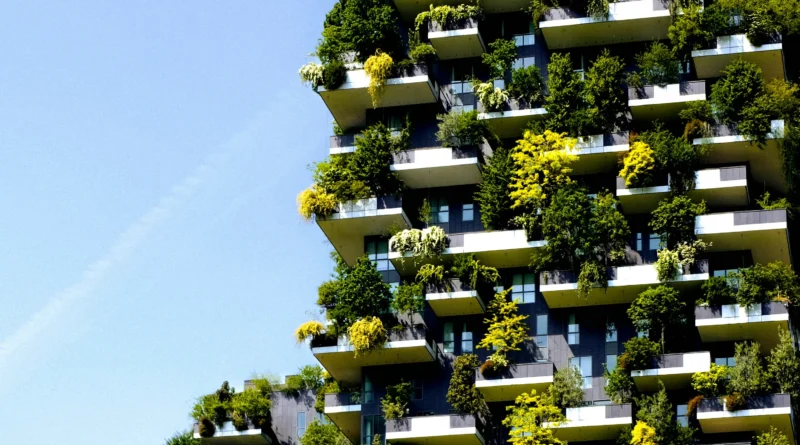
How To Design Environmentally Friendly Architecture
Creating buildings that care for the environment takes more than basic skills. It brings a fresh shift in the way structures link up with the outdoors and folks living in them. Experts grasp that going green means way more than cutting power bills. It involves setting up setups where stuff like wood and stone, electricity, and ease for users blend in a clever manner. This write-up checks out the simple rules, stuff used, and methods that steer eco-friendly building work these days. Sometimes, you might wonder if all this effort pays off, but real stories show it does in surprising ways.
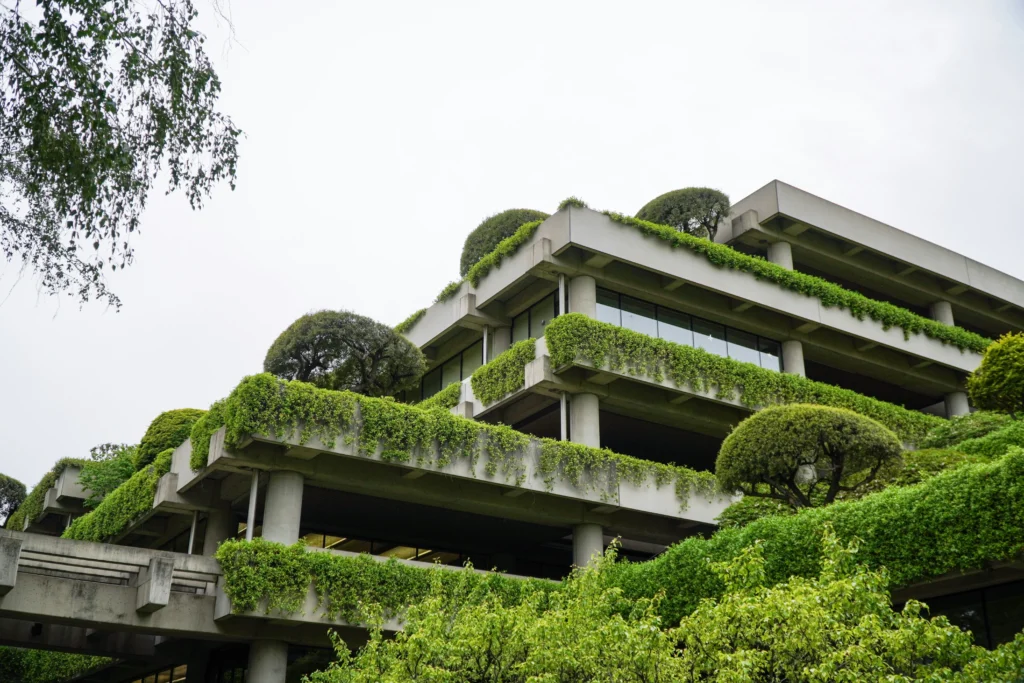
What Defines Environmentally Friendly Architecture?
The notion behind eco-friendly building work focuses on trimming back damage to our world. It achieves that by picking wise options that guard supplies and back up nature’s steady flow. Such a method goes further than slapping on solar panels or plant-covered tops. It demands a complete routine. Every part, right from first sketches to the final teardown, aims to hold back injury to the planet. In busy spots like growing towns, this full view stops small problems from turning big.
Sustainable Design Principles
Green planning rests on three key notions: guarding supplies, holding users fit, and blending smoothly with the surroundings. Builders strive to slash scraps, select items that come back strong, and shape areas that lift spirits. Take passive solar heating, for one. It drops energy needs without any gear. Cross-ventilation does its bit too. It cleans room air through plain old breezes. All these moves let structures perform smoother each day. You see it in homes where families stay comfy without cranking up the heat all winter.
Life Cycle Thinking
Any structure passes through a complete span. It begins with digging up basic items from the soil. It wraps up with dumping leftovers. When you eye this entire route, it helps trim the smoke let out while putting it up. Today’s designers grab hold of programs like life cycle assessment (LCA) tools. They run checks on eco-hits before the first shovel hits dirt. Picture a crew in sunny California. They plugged in LCA numbers and traded some metals. That choice shaved off 20 percent of bad air from the get-go. Such tweaks make a difference that lasts.
Integration With Local Ecosystems
Shaping to go with nearby nature spots calls for respect to water trails, local greens, and tiny climate quirks. Steer clear of clashing with the wild using tough covers that trap moisture or phony yards. You build spots that settle right in instead. Bioswales, say, manage extra rain flow. Pointing the whole thing right also nips extra warmth in the bud. Thus, the place joins the ground as a buddy, not a foe. In wet zones such as Seattle, these ideas block water rushes and nurse the dirt back to health. One park there turned a soggy mess into a thriving spot for birds and kids alike.
How Can Energy Efficiency Be Achieved in Architecture?
Saving energy pops as a big piece in green setups. Yet it skips past mere tools. It ties into a building’s daily and yearly habits. Consider a house out in sandy lands. Smart planning holds the chill without endless cool air blasts. Real folks in those areas swear by it, saying summers feel less like ovens.
Passive Design Strategies
Natural planning slices down gear demands by drawing on simple things like rays and winds. Facing the spot counts heavy. Up north, south-facing glass grabs cold-season light for cozy feels. Roof edges shade out peak summer blaze to dodge excess warmth. Items holding heat well, think solid rock or poured slabs, soak up daytime glow. They give it back bit by bit come evening. Plain moves like these slash warmth costs by half, per reports from the U.S. Department of Energy. In old farmhouses, you spot this working without fancy add-ons.
Renewable Energy Integration
Solar photovoltaic panels, tiny wind spinners, or earth-heat rigs supply pure juice straight to the site. City crews blend a few green power types often. That keeps flow even when skies turn gray on one. An office tower in New York matches sun boards with breeze catchers. Gloomy spells do not cut supply short. In the long run, these outfits cover their tab via cheaper bills from the grid. A factory nearby switched and watched savings pile up quick, enough for new hires.
Smart Building Technologies
Auto setups eye crowd levels within. They tweak bulbs or warmth sources on the spot. Glass that thinks changes from see-through to dim with sun strength. It eases the load on chill units big time. Gear like this guards comfort for all. Plus, it chops needless juice loss. One chain of rest spots added it and cut power draw by a quarter. Guests stayed happy, and owners grinned at the lower tabs.
Which Materials Support Sustainable Construction?
Picking items molds a good chunk of how a structure touches the earth. Solid green picks blend tough work with quick refresh and recycle ease.
Recycled and Reclaimed Materials
Pulled-back timber or reworked iron guards earth goods. It holds junk from pile-ups too. Grab old beams from razed lots, for instance. That trims spend and hangs onto past looks where it suits. Spots exist where aged shed planks became fine walk ways. They add a homey touch sans fresh cuts from woods. In a mill town revival, this kept history alive while going easy on forests.
Low-Carbon Alternatives
Making cement spits out roughly 8% of global CO₂, according to IEA figures for 2022. Swap bits with ash from flies or furnace waste. It dials back smoke yet keeps the blend firm. Plant-root picks such as hempcrete snag carbon while sprouting. Such swaps green up the mix. Across Europe, fresh paths take this blend. They stand firm under wheels for seasons on end. A bridge there proved it, carrying loads without a crack after a decade.
Locally Sourced Products
Hauling bulky goods over miles pumps up smoke heavy. Thus, grabbing blocks or logs from close by aids. Seek FSC (Forest Stewardship Council) stamps on lumber. It trims road haze and boosts area work. A learning hall in Texas grabbed local rock. Shorter hauls meant cleaner skies for neighbors. Kids there play in air that smells fresher, a small win for all.
How Does Water Management Fit Into Green Architecture?
Lack of water swells as a major headache in eco-planning. Clever handling of H2O makes spots aid instead of drain area stocks. It feels like returning the favor to nature’s flow.
Rainwater Harvesting Systems
Pulling drops from tops for jobs like feeding grass or rinsing bowls lessens tug on town pipes. Parched lands often make it a must for fresh sites. A gathering house down under scoops plenty to tend its plots. It spares heaps of gallons yearly. In drought-hit farms, this keeps crops green without tapping deep wells.
Greywater Recycling
Used sink or bath flow, known as greywater, gets a wash and reuse right there. Picture yard care or chill gear feeds. It guards clean sources. It cuts junk to town cleaners too. A flat block looped it back and halved its tab in two turns. Tenants cheered the lower fees and fuller tanks.
Permeable Landscape Design
Covers letting flow seep down, such as soft stone paths, halt fast spills. They dodge town water jams and top off deep stores. Lot spots with these feed earth below with rain. Trees there root deeper and stand taller. A mall parking area turned soggy floods into steady ground water, helping nearby streams.
Why Is Indoor Environmental Quality Important?
Outer green bits draw eyes. Indoor air and feel (IEQ) hit fitness and task speed head-on. It ranks high in now’s eco-spots. Bad drafts tire out crowds. Fine ones perk up the mood. Offices with stuffy rooms see sick days rise, while open ones buzz with energy.
Natural Ventilation Systems
Plans for air crossing sweep stale bits. They hold steady temps sans large rigs. Openable panes with high open spaces make a lift pull. It hauls new gusts across halls. A display hall uses this. On steamy afternoons, crowds inhale easier. No stuffy noses or yawns.
Daylighting Optimization
Drawing sun glow in trims lamp power costs. It perks feelings and hones attention inside. Aids like glow ledges or upper panes push light deep sans sharp stings. Work hubs with it hear staff note 15 percent sharper minds. Feedback from users backs it up. A classroom setup let kids read without squints, boosting grades a touch.
Non-Toxic Finishes And Furnishings
Coats, sticks, and covers low in VOC block foul smells within. It mends a usual flaw in standard jobs that sparks “sick building syndrome.” Opting these spells better nests. Groups spot less head pains post-change. A family home swap meant kids slept sounder at night.
How Can Urban Planning Influence Green Building Success?
Structures never go solo. Their eco edge hangs on the town wrap. Layout steers their smooth run.
Compact Development Models
Close-knit zones mixing stores and dens trim trip lengths. Crowds stroll or pedal more, dropping rides. It dials down haze and spares path costs per head. Portland towns run this. Roads clear up a bit. Walks to shops feel quicker and safer.
Green Infrastructure Networks
Layout folks thread parks, leaf trails, and top greens into town weave. They tame warm bursts and lift critter life amid stone. Singapore’s web drops temps a few notches. Strolls turn nice even in sizzle. Birds nest more, adding city chirps.
Public Transportation Accessibility
Placing works near ride hubs props clean trips. Users shift car-free, linking to wide weather goals. A ride-tied spot had 40 percent skip wheels each day. Commutes shorten, and air clears. Workers arrive fresh, ready for the grind.
What Are the Economic Benefits of Sustainable Architecture?
Eco spots yield earth wins. They hand solid cash upsides too. Cuts in daily spends and value climbs mark wise bets. Owners sleep better knowing bills stay low.
Reduced Operating Costs
Sharp bulbs slice grid tabs up to 30%, per U.S. DOE 2021 notes. Toss in tight wraps or green juice, and return hits in five turns for trade hubs. A wee shop head shared how tabs fell enough to grow the team. Lights stayed on longer without extra outlay.
Increased Property Value And Marketability
Tags like LEED or BREEAM flag prime craft. They pull payers ready for more in fit dens. Trade spots move quick at top marks. Buyers line up, seeing the long play.
Long-Term Resilience Investment
Plans tackling sky shifts, like lifted footings for swells or flex sides, block later patches. It wards off code tweaks or wild blows. Shore works with these dodge huge fix tabs post-storms. A beach condo stood tall after a gale, saving owners a fortune in rebuilds.
FAQ
Q1: What is the main goal of environmentally friendly architecture?
A: The goal is to minimize negative environmental impacts through efficient resource use while enhancing occupant well-being across a building’s full life cycle.
Q2: How do passive design strategies save energy?
A: They use natural elements such as sunlight orientation and ventilation instead of mechanical systems to maintain comfort levels year-round.
Q3: Are green materials more expensive than traditional ones?
A: Initial costs may be higher due to certification or limited supply chains, but lifecycle savings from durability often offset those differences over time.
Q4: What role does technology play in sustainable design?
A: Smart systems monitor real-time performance data like temperature or lighting levels so energy consumption stays aligned with actual needs rather than fixed schedules.
Q5: Can existing buildings be converted into environmentally friendly ones?
A: Yes, through retrofitting measures such as insulation upgrades, efficient glazing installation, renewable energy integration, and improved ventilation planning without full demolition requirements.