
What Are The Benefits of Living Roof Architecture
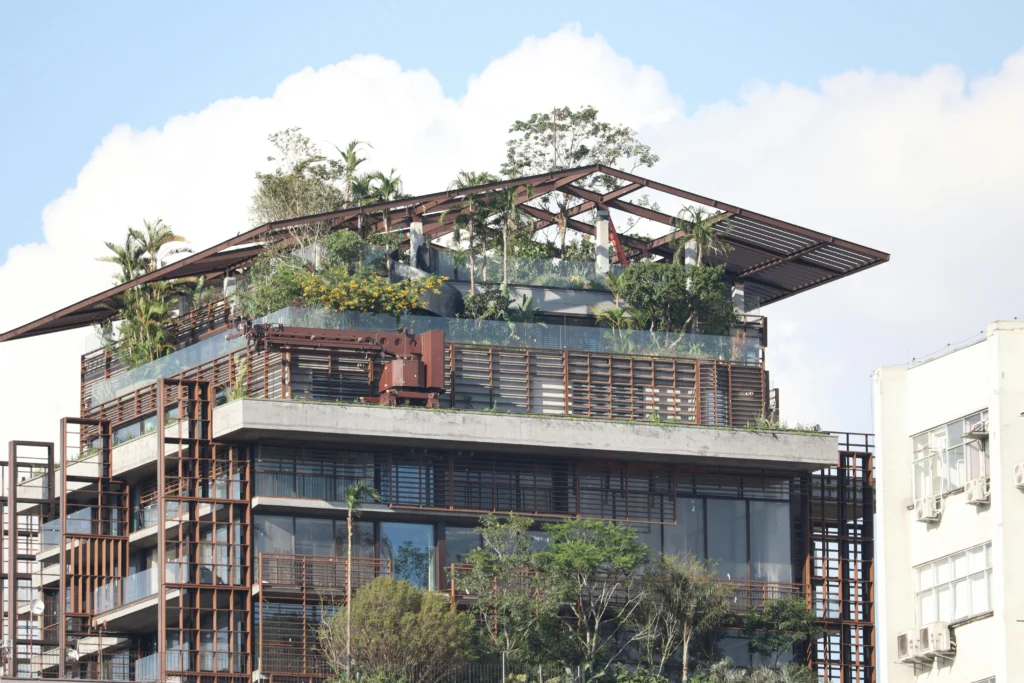
Living roof architecture, often called green roofs, has grown from a small idea in sustainable design into a common building choice. These setups add plants and soil layers on top of waterproof covers. They make small living areas right on top of buildings. For people working in architecture and city planning, talks about living roofs now focus on how well they work, how tough they are, and real effects on the environment. This piece looks at the many good points of living roof architecture. It uses simple tech views and everyday uses.
How Does Living Roof Architecture Improve Environmental Performance?
Living roofs work like tiny natural areas. They connect with the world around them. They cut down on the harm buildings do to nature. At the same time, they help boost plant and animal life in busy city spots. The good sides for the environment go past just looking nice. These setups really change air quality, how water is handled, and weather control in ways that matter.
Stormwater Management Efficiency
A good living roof can hold back 50–80% of rain that falls each year. This depends on how deep the soil is and what plants you pick (U.S. Environmental Protection Agency, 2023). It soaks up the water from storms. Then, it lets it out slowly through plant sweating and evaporation. Green roofs help stop too much water from rushing off roofs and flooding city pipes. Places like Portland and Toronto already make rules that push for green roofs to fix this problem. I remember reading about a building in Portland where the roof caught so much rain that it saved the street below from flooding during a big storm last year.
Urban Heat Island Reduction
Green roofs drop the heat on roof tops by a lot. Work from the National Research Council of Canada points out drops of up to 30°C over normal roofs on hot summer days. This chill spreads to the air around in packed city parts. It fights the city heat bubble effect. That thing makes power use go up and air get worse. In places like New York, where summers bake the streets, adding these roofs could cool whole blocks, kind of like turning on a giant fan for the neighborhood.
Air Quality Enhancement
Plants on living roofs grab dirt in the air, like nitrogen dioxide and tiny dust bits. One square meter does not do much alone. But if many buildings in a city area use them, the total clean-up adds up to better air checks. Plus, plants take in carbon dioxide through sunlight work and give out oxygen. It is a small step, but it helps city living a bit. Think about kids playing near a tall building; cleaner air means fewer coughs on those windy days.
What Are the Energy Efficiency Benefits?
Saving energy stands out as one clear money reason to use living roof architecture. The dirt layers give steady weight for warmth control. Plants add cooling by letting water vapor escape. Together, they make a simple shield that keeps buildings comfy all year. And honestly, in cold winters or hot summers, that steady temp feels like a real win for anyone inside.
Thermal Insulation Properties
The soil part works like a blanket. It keeps inside temps even by blocking summer heat and holding winter warmth. Info from Green Building Councils in Europe (2022) says buildings with basic green roofs cut yearly energy for heat and cool by up to 25%. This beats plain flat roofs. For example, an office in Berlin saw its bills drop after adding one, and workers noticed the rooms stayed nicer without cranking the AC all day.
Reduced HVAC Load
Green roofs keep roof heat from jumping around too much. This eases the work on air systems like heaters and coolers. Less top heat means machines do not push as hard. So, they last longer and need fixes less often. That saves cash for big places where these systems eat up power. In a hotel I heard about in Toronto, the green roof cut their repair calls by half over a few years.
Energy Cost Savings Over Time
Setting up costs more at first than old-style roofs. But when you look at the full life of the building, the plus sides show up. A report from the University of Michigan (2018) figured that over 40 years, green roofs save $150–$200 per square meter. This comes from less power use and roofs that do not wear out fast. It’s like investing in a sturdy pair of boots that last through many hikes, instead of cheap ones that tear quick.
How Do Living Roofs Support Biodiversity?
Cities growing fast break up wild spots and cut down on different kinds of life. Living roof architecture gives a chance to fix that in man-made areas. It builds small homes for plants and animals. Sometimes, you see birds nesting up there, which surprises folks walking by below.
Habitat Creation for Pollinators
Choosing local plants draws in helpers like bees, butterflies, and birds that spread seeds. In London’s “Biodiversity Action Plan,” green roofs act as key paths for these bugs and critters. They link far-apart green patches in the city. Without them, pollinators might struggle to move around all the concrete.
Promotion of Native Plant Species
Picking plants from the area fits the land well. It cuts down on water needs for sprinkling. These plants handle local weather better. So, care is easier, and it helps meet goals for more local life set by nature groups. In dry spots like parts of California, native grasses on roofs thrive with almost no extra help.
Integration with Urban Green Networks
If you plan them right on many roofs or link them to wall gardens and parks, living roofs make ongoing paths for nature. This helps animals travel in big city zones. It is a main idea in world plans for green city living. Imagine a bee flying from one roof to another, dodging traffic below— that’s the kind of connection these create.
Can Living Roof Architecture Extend Building Lifespan?
Green roof systems do more than help the earth. They also make the building itself last longer by guarding base parts from bad weather. It’s practical stuff that pays off in fewer rebuilds down the line.
Protection from UV Radiation
Usual roof covers break down quick in strong sun rays. Plant covers stop direct light hits. This stops light damage that cuts cover life by many years. In sunny places like Arizona, this alone can add decades to the roof.
Reduced Thermal Stress on Materials
Heat ups and downs make roof parts stretch and shrink. That leads to breaks or water leaks in normal setups. Living roofs keep temps steady. So, these problems happen less. Workers in the field often say it’s like wrapping the roof in a cozy layer that breathes.
Extended Membrane Longevity
Real info from building tests in Germany—where green roofs started big in the 1980s—shows they last over 40 years. Normal tar roofs under the same weather only hit about 20 years. That’s double the time, and it means less hassle for owners.
How Does Living Roof Architecture Affect Human Well-Being?
Lots of focus goes to nature stats, but effects on people are just as strong for adding green roofs to building plans. They touch daily life in quiet ways that build up.
Psychological Restoration Benefits
Seeing green spaces helps the mind relax. A study in Urban Forestry & Urban Greening (2021) found that looking at roof plants cuts stress signs in office folks by up to 15%. It’s like a free break without leaving your desk, especially on tough workdays.
Improved Acoustic Comfort
The layers of dirt and plants soak up noise well. Buildings with green roofs hear 8–12 decibels less racket. This helps a lot near loud spots like runways or busy roads. In a school by a highway, teachers noted kids could focus better after the install.
Enhanced Aesthetic Appeal
Green tops turn empty spots into pretty views for fun or chats. This look boost makes people happier inside. It can even raise home prices in hot city markets. From afar, a building with a living roof stands out like a fresh park in the sky.
What Are the Economic Considerations?
Money matters decide if green tech catches on wide. Upfront prices might scare some, but full-cost views show upsides with lasting saves and strong builds. Plus, in today’s market, going green often pays extra dividends.
Installation Costs vs Long-Term Returns
Starting costs change with how fancy the setup is. Basic ones run $150–$300 per square meter. Thicker ones with more plants hit $500 or higher (Green Roofs for Healthy Cities Report, 2022). Yet, power cuts and longer roof life pay back in 10 to 20 years. A small business owner might wince at the bill first, but smile later when utilities drop.
Increased Property Value
Homes or spots with clear green touches sell for more. Buyers like the eco side and extra fun areas. This shows in big city sales, like in New York City and Berlin. Real estate pros track how these features add 5-10% to values sometimes.
Maintenance Requirements Over Time
How much work you do depends on the plants. Tough ones like sedum need just checks now and then for water flow or weed pulls. Steady care keeps it working and looking good without big effort. In rainy climates, it’s even simpler—no dry spells to fight.
How Do Regulations Influence Adoption Rates?
Government rules speed up or slow down how many use living roof architecture in different areas. They set the path for builders to follow.
Municipal Incentive Programs
Cities like Chicago give extras, such as more build space or tax breaks, for adding checked green roofs to new work. This trick has boosted use over 10 years. Developers jump at these perks to make projects greener without losing out.
Building Code Integration
In spots like Switzerland and Germany, country rules require plant roofs for some new builds over set sizes. This puts green living right into the law books. It makes sure sustainability is not an add-on but a must.
Certification Systems Encouraging Compliance
Green checks like LEED or BREEAM give points for plant roofs in areas like rain control or heat cut. This pushes builders to add them early in plans, not as fixes later. In a project I followed, getting those points sped up approvals and cut costs overall.
FAQ
Q1: What is the average lifespan of a living roof?
A: Depending on maintenance quality and climate exposure, properly installed systems can last over 40 years—twice as long as conventional flat roofs documented in European case studies.
Q2: Are all buildings suitable for living roof installation?
A: Structural load capacity must be assessed first; lightweight extensive systems suit most modern constructions whereas older structures might require reinforcement before installation.
Q3: Do living roofs require irrigation?
A: Only during establishment phases or prolonged drought periods; native drought-tolerant species typically survive without constant watering once rooted properly.
Q4: Can green roofs be retrofitted onto existing buildings?
A: Yes, provided structural assessments confirm load-bearing capability; many successful retrofits exist across commercial complexes built before modern sustainability standards emerged.
Q5: How does plant selection affect performance?
A: Plant choice influences water retention efficiency, biodiversity potential, maintenance frequency, and thermal regulation capacity—making it one of the most critical design decisions within any project specification plan.