
How Does Green Roof Architecture Improve Energy Efficiency
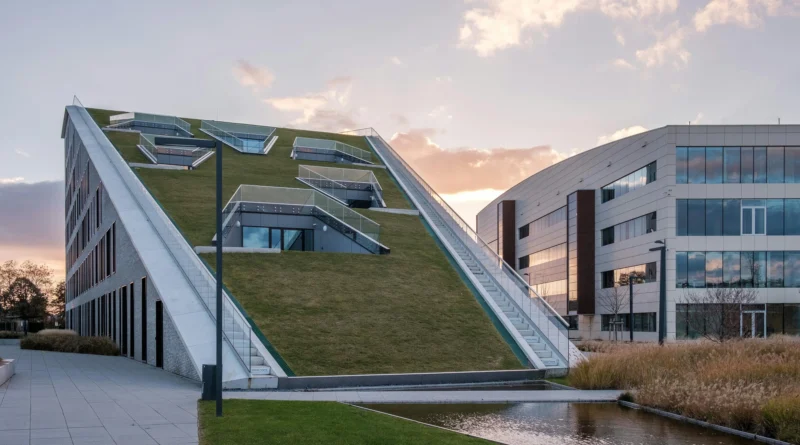
Green roof architecture started as a fresh idea for ecology. Now, it serves as a key plan for buildings that care about the planet. This method goes beyond special green projects. It forms a big part of city planning for infrastructure. Builders add plant layers on top of waterproof covers. These green roofs cut down building energy use a lot. They also clean the air and make roofs last longer. For builders and experts in engineering, this way brings good points for nature and money if done right.
What Are the Core Principles Behind Green Roof Architecture?
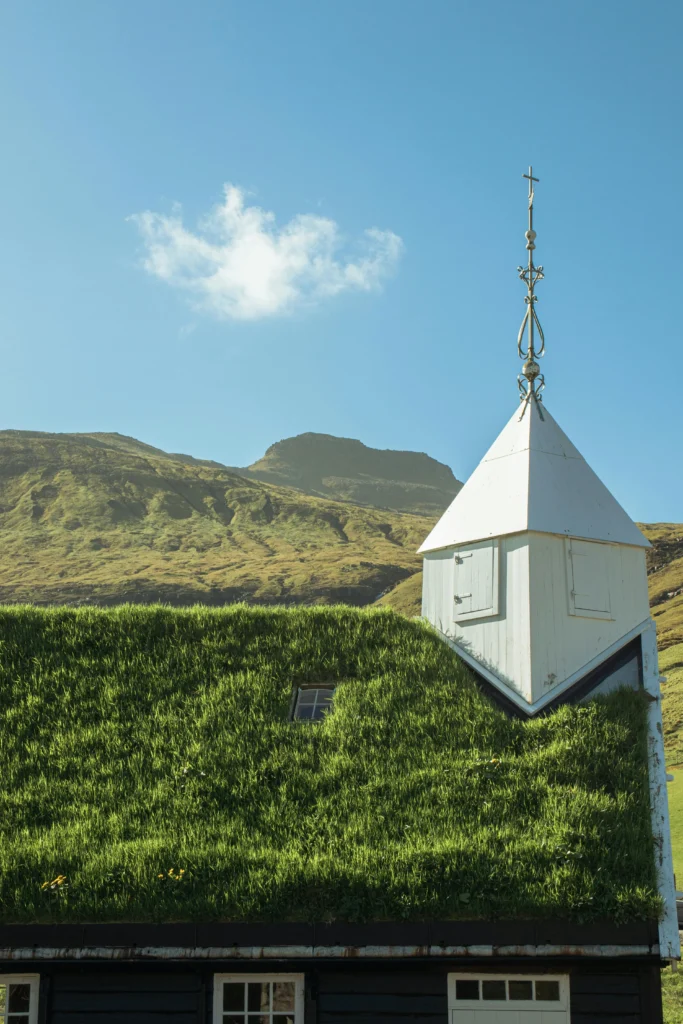
Before we look at energy numbers, we need to understand what makes green roof architecture tick. It goes beyond just putting plants on building tops. Instead, it builds a living setup that works with the building and what’s around it. The setup has several parts. These include waterproofing, root blocks, ways to drain water, soil for growing, and plants. Each part helps control heat and handle water.
Layered System Design
The way layers are built matters a great deal to how well it works. A good waterproof cover stops water from leaking in. At the same time, it lets water drain out in a controlled way. This happens through filter cloths and small stones. Then, the plant layer works like a shield for heat. It cuts down how much heat moves from inside the building to the outside world. Think about a busy city office building. There, this setup keeps the top cool without extra fans running all day.
Vegetation Selection
Choosing the right plants fits the local weather and how much care you want to give. Folks often pick sedums for simple, wide roofs because they handle dry spells well. For bigger, deeper roofs, people use bushes or small trees. These give more shade. The mix of different plants and easy upkeep decides how well it runs over many years. In places like rainy Seattle, for example, native grasses might do better than desert types.
Structural Considerations
The weight the roof has to hold is a key thing in green roof plans. Experts in engineering figure out the extra steady weight from wet soil and growing plants. When adding to old buildings, you might need to strengthen them. Or, use lighter soil options. This keeps the building safe. And it does not lose the good points for energy. I recall a project in Chicago where they had to redo beams just to fit a light green layer—worth it in the end.
How Does Green Roof Architecture Reduce Building Energy Consumption?
One clear result from green roof systems is better energy use. Research from the U.S. Department of Energy shows that plant-covered roofs can drop cooling needs by up to 25% in warm summer times. This is when compared to regular roofs (DOE, 2022). The drop comes from natural ways to insulate and let water evaporate.
Thermal Insulation Effect
The soil and plants in a green roof serve as buffers for heat. In hot times, they block sun rays from going through roof parts. During cold months, they hold warmth inside. They do this by cutting heat loss through the roof top. It’s like wrapping the building in a natural blanket that adjusts to the seasons.
Evapotranspiration Cooling
Plants give off water vapor into the air. This process, called evapotranspiration, cools the air nearby and the roof itself. On bright days, it can bring down roof top heat by 30–40°C next to plain concrete (National Research Council Canada, 2021). Imagine a hot afternoon in New York—without this, the roof might feel like an oven.
Reduced HVAC Load
With less change in inside temperatures, the systems for heating and cooling run less. Over the years, this means smaller power bills. It also means less wear on the machines. So, the gear lasts much longer. In a school setting, for instance, teachers notice quieter halls because the units don’t kick on as often.
What Role Does Green Roof Architecture Play in Urban Heat Island Mitigation?
City heat islands pose a big problem in towns full of hard surfaces. Green roofs fight back by adding plant cover high up on many roofs. This helps cool things down across the area.
Surface Temperature Regulation
Plants take in less sun heat than black tar or shiny metal roofs. So, the top stays cooler all day. This cuts down total heat build-up in city spots. Data from hot summers in Los Angeles shows a drop of several degrees just from a few nearby green tops.
Improved Air Quality
Plants catch tiny bits in the air, like dust and carbon dioxide. They give back oxygen through making food from light. One roof helps a little. But if many buildings do it in a city, the air gets noticeably cleaner (EPA Report on Urban Greening, 2020). It’s a small step, but adds up—like how one park bench invites birds, many do more.
Enhanced Microclimate Stability
Green roofs even out wild temperature changes at roof height. This makes small weather zones that help people feel better. It also aids animals, like bees that have a hard time in too-warm spots. In Toronto, some green roofs now buzz with insects year-round.
How Do Green Roofs Manage Stormwater Efficiently?
Green roofs offer strong help with rain water besides keeping things cool. Normal flat roofs let water rush off fast into city pipes. Green ones soak it up and let it out slowly.
Water Retention Capacity
Based on how deep the soil is and how thick the plants grow, a green roof holds 50–80% of yearly rain (Green Infrastructure Foundation Report, 2022). This eases the load on city water systems in big storms. During a downpour in London, such roofs prevented some street flooding last year.
Filtration Benefits
Water moves slowly through the soil before it drains. In that time, bad stuff like salts or metals gets caught in roots or tiny bugs in the dirt. This cleans the water naturally before it goes back to rivers. It’s a built-in filter that works without extra machines.
Controlled Discharge Timing
The holding back slows the rush of water into pipes by hours after rain stops. This delay cuts flood chances in packed city areas during wild weather. Experts say it’s like a sponge that squeezes out water bit by bit.
How Does Green Roof Architecture Contribute to Long-Term Building Durability?
Energy savings get a lot of talk, but making buildings last longer is just as good from green roofs.
Protection Against UV Degradation
Regular roof stuff breaks down from long sun exposure. Plants cover it up and block straight light. This slows the harm from sun rays that cause cracks or weakness. Over time, it saves on fixes.
Reduced Thermal Stress Cycling
Each day, heat makes roofs expand and cold makes them shrink. This wears them out. The plant shield keeps temperatures steady day and night. So, the roof does not tire as fast. In sunny Phoenix, this means fewer repairs after hot-cold swings.
Extended Lifespan Value
Work from Green Roofs for Healthy Cities (GRHC) says well-kept systems can make roof covers last two or three times longer than plain ones (GRHC Annual Report, 2023). It’s a smart choice for owners who hate constant upkeep.
What Are the Economic Implications of Adopting Green Roof Architecture?
Upfront costs for green roofs run higher than basic roofs—often $150–$400 per square meter based on how fancy it gets. But when you look at the full picture over time, you see real savings from less energy and fewer fixes.
Operational Cost Savings
Smaller use of heating and cooling cuts power costs all year. In big stores or offices with lots of space to cool, you get your money back in six to ten years. This depends on the weather and any local help (USGBC Economic Study, 2021). One hotel chain saw bills drop 15% after adding them.
Increased Property Value
Buildings with green features like these draw higher sale prices. People like the looks and the green points that fit LEED or BREEAM rules. It boosts appeal in the market.
Government Incentives
Many city halls give tax breaks or money help for green roofs. This fits into plans to handle climate changes. It makes the whole thing pay off faster for those building new spots. In Europe, some grants cover half the cost—nice bonus.
What Challenges Limit Broader Implementation of Green Roof Systems?
Green roofs have strong pluses, but real hurdles stop them from spreading wide in cities worldwide.
High Initial Investment Costs
Getting materials like waterproof layers and special dirt costs more at the start than simple roofs. This hits small owners hard if they lack help from programs.
Maintenance Requirements
Even easy-care flat green roofs need checks now and then for water flow and pulling weeds. If you skip it, looks fade and work drops off. Regular visits keep it going strong.
Regulatory Constraints
Some local rules don’t have clear steps for weight checks or fire safety with plants on top. This makes getting approval a hassle in planning. Updates to codes could fix that soon.
FAQ
Q1: What Is the Main Purpose of Green Roof Architecture?
A: Its primary goal is to integrate ecological functions into building envelopes by improving insulation performance while mitigating environmental impacts such as stormwater runoff or urban heat buildup.
Q2: How Much Energy Can a Green Roof Save Annually?
A: Depending on regional climate conditions and system design depth, annual energy savings typically range from 10–25% compared with conventional flat roofs according to data published by the U.S. Department of Energy (2022).
Q3: Are All Buildings Suitable for Green Roof Installation?
A: Not necessarily; structural capacity must be verified since saturated soil adds considerable weight load that older structures may not support without reinforcement engineering adjustments.
Q4: Do Green Roofs Require Irrigation Systems?
A: Extensive types often rely solely on rainfall except during prolonged droughts; intensive configurations featuring larger plants usually incorporate automated drip irrigation networks for consistent moisture supply.
Q5: Can Green Roofs Be Combined With Solar Panels?
A: Yes — hybrid “biosolar” designs pair photovoltaic modules above vegetation layers where cooler ambient temperatures enhance panel efficiency while maintaining ecological benefits below them.