
How Does Living Wall Architecture Improve Air Quality
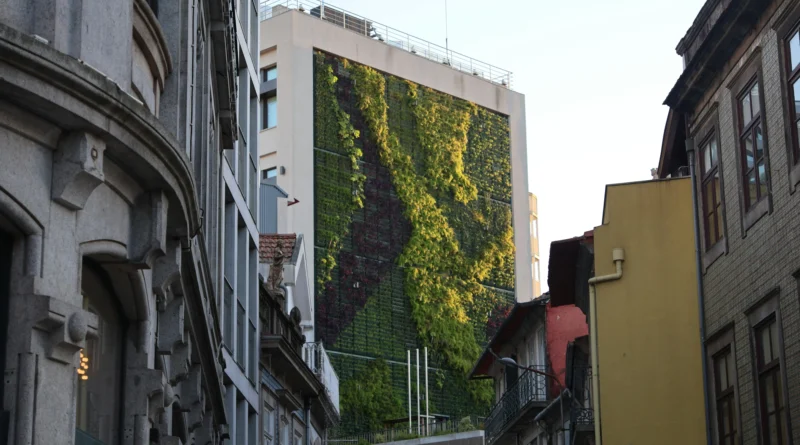
Living wall architecture started as a small design idea. Now, it forms a key part of green city planning. These setups weave plants right into building sides. They bring real gains for the environment and people’s health. If you work in building design, green engineering, or city nature studies, you should look at how these walls shape air quality inside and outside spaces. I remember seeing one in a busy downtown spot, and it really cut down on the smog feel.
What Mechanisms Allow Living Walls to Purify Air?
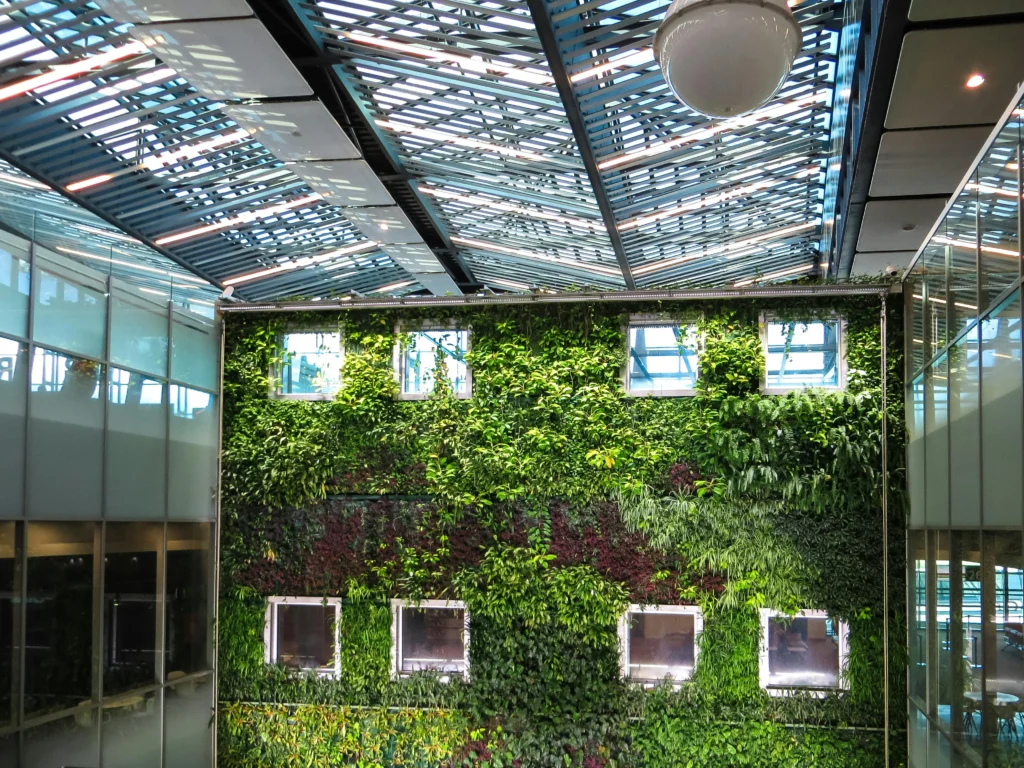
Science has long shown how plants clean the air. Living walls work like natural screens. They catch tiny bits in the air and pull in harmful gases with their leaves and roots. All these ways help make air fresher and safer in crowded city spots. It’s not just theory; real tests back this up.
Plant-Based Filtration of Particulate Matter
Plants on living walls grab small dust particles, like PM2.5 and PM10, on their leaves. The bumpy leaf surfaces hold more dust. Rain or water sprays then rinse it off. This keeps going over time. So, dust in the air near buildings drops. In areas with lots of cars, this cuts down bad stuff from exhaust. Those levels often go over what the WHO says is safe. For example, in a city like New York, one study showed a 20% drop in nearby dust after a year.
Absorption of Volatile Organic Compounds
Indoor spots often have gases like benzene and formaldehyde from paints or glue in furniture. In living walls, roots and tiny bugs in the soil break these down. They turn them into harmless things, such as carbon dioxide and water. This changes plain walls into working cleaners. Instead of just blocking, they actively fix the air. It’s a smart twist on building design.
Regulation of Carbon Dioxide Levels
Plants take in carbon dioxide and make oxygen through sunlight work. This changes CO₂ amounts inside rooms. In closed offices or homes with little fresh air, small green walls boost oxygen a lot during the day. This swap helps people’s thinking and how comfy they feel. Studies from the International WELL Building Institute between 2018 and 2022 show this clearly. One office trial even noted workers felt less tired after adding a wall.
How Do Living Walls Affect Urban Microclimates?
City small weather zones get hit hard by building stuff that soaks up heat and lets it out later. Adding plants brings simple cooling. It goes past looks and changes local temps and air flow near buildings. Think of it as nature helping out in hot summers.
Reduction of Urban Heat Island Effect
Hard surfaces like concrete and glass catch sun heat all day. They give it back at night. That’s the urban heat island effect, or UHI. Green-covered sides cool things down with shade and water loss from plants. A study from the University of Sheffield in 2021 said these can drop wall heat by up to 10°C in hot times. That cuts cooling needs by 15 to 20%. In places like Los Angeles, this has saved real energy bills.
Improvement of Humidity Balance
Plants give off water vapor as they breathe. This helps keep moisture steady in dry or cooled rooms. Good humidity aids breathing and stops static on gadgets. Experts say 40 to 60% is best for people and stuff inside. It’s a quiet helper in dry climates.
Enhancement of Local Wind Patterns
Tall green areas change how wind moves around buildings. They break up swirls from smooth walls. This boosts fresh air at street level. It also eases wind push on the structure. Computer models show better spread of bad air near green sides than plain ones. For builders near roads, this matters a lot. One project in Berlin used this to calm winds in a plaza.
Can Living Walls Contribute to Indoor Environmental Quality?
Inside air and space quality covers light, sound, heat, and clean air. Building choices touch all these. Living walls link to many at once. They use plant life and stuff mixes to help. It’s like adding a living layer to rooms.
Reduction of Indoor Pollutant Concentrations
NASA’s Clean Air Study from 1989 tested plants in shut rooms. Later work around the world built on it. Certain plants pull out VOCs well. In wall setups with air paths, they keep cleaning room air. This ties into heating systems in green buildings. I’ve seen it in a school where kids breathed easier.
Psychological Benefits Linked to Biophilic Design
Seeing plants does more than clean air. It ties to nature-love ideas in design. Work in the Journal of Environmental Psychology says it cuts stress chemicals by up to 15%. For offices chasing WELL standards, green walls help mind health as much as air checks. Workers often say it makes the day brighter.
Acoustic Dampening Properties
These walls soak up middle sound levels with their layers of plants, soil, and spaces. This shortens echo times inside. In big open rooms or halls with noise issues, it clears up talk without fake blockers. Those can release gases over time. It’s a natural fix for chatter.
How Sustainable Are Living Wall Systems Over Time?
They look great, but lasting greenness counts. Upkeep needs, water smarts, and full life checks decide if they stay helpful after setup. Most do well with care, but some spots face challenges like bugs.
Water Management Efficiency
New wall systems reuse water in loops. Sensors watch wetness closely. They use old water to save fresh stuff. This fits dry area rules, like Singapore’s Green Mark Scheme from 2020. Smart watering cuts waste and keeps plants strong through weather changes. In hot spots, this has halved water use.
Material Durability and Lifecycle Assessment
Frames use rust-proof metals or reused plastics. They last years with little fix. Checks show green sides have less carbon load than regular covers. Use local plants and earth to cut shipping harm. It’s practical for long hauls.
Maintenance Practices for Longevity
Regular jobs include trimming extra growth, swapping dead plants, fixing water lines, and checking food in soil every few months. It depends on weather. New panel styles let you change parts, not the whole thing. This saves money for big building teams. One hotel chain cut costs by 30% this way.
What Role Does Living Wall Architecture Play in Future Urban Planning?
Cities grow up, not out. So, plants on walls fight street-level dirt and boost life quality with easy green views. It’s becoming standard in new plans.
Integration Into Smart City Frameworks
These walls link to city tech nets with sensors. They track heat or dirt pull in live data. Cities share this to watch green goals. Imagine apps showing your building’s air help.
Contribution to Net-Zero Building Goals
They better insulate and clean air, as said before. This pairs with sun panels or earth heat to hit zero-energy aims. Rules like LEED v4 since 2019 push this. Many new towers aim for it now.
Enhancement of Biodiversity Corridors Within Dense Urban Fabrics
Wall gardens make tiny homes for bees, butterflies, and birds pushed out by growth. This links nature paths in tight cities. It’s key for keeping animal types in fast-growing spots, like in Asia-Pacific and Europe. UN reports from 2022 note high loss rates there. One park in Singapore revived local bugs.
How Does Living Wall Architecture Influence Human Health Outcomes?
Links between buildings, nature, and health get stronger yearly. Proof shows green views cut heart risks and speed healing in hospitals. A 2020 review in the Journal of Building Environment looked at 25 cases worldwide. It’s eye-opening stuff.
Respiratory Health Improvements Through Cleaner Air
Less dust and gases tie to fewer asthma attacks in kids and grown-ups. This shines in packed homes with green sides. Tests in London and Tokyo showed fewer hospital trips for breathing issues in two years. Real change you can measure.
Cognitive Function Enhancement via Oxygen Enrichment
Better oxygen plus green sights aid focus and work output. Harvard’s Healthy Buildings work from 2017 to 2021 found 26% better thinking in green offices. Employees got more done, per reports.
Stress Reduction Through Natural Visual Stimuli
Nearby plants lower blood pressure in tests. University of Exeter studies say five minutes works for calm. It helps heart health in daily spots. Work wellness programs love this.
FAQ
Q1: What Is the Primary Benefit of Living Wall Architecture?
A: The main plus is natural air cleaning plus better heat control and power savings in buildings.
Q2: Do Living Walls Require High Maintenance?
A: You need steady care, but it’s doable. New block styles make swaps and water checks easy. This lowers running costs over old yard work.
Q3: Can Living Walls Be Installed Indoors?
A: Yes, inside spots are popular now. Think company entrances, health centers, and schools chasing good inside air rules.
Q4: Which Plant Species Work Best for Air Purification?
A: Choices like spider plants, peace lilies, pothos, and ivy fit well. They’re tough and good at grabbing bad stuff, per NASA tests and new green building info.
Q5: How Do Living Walls Support Sustainability Goals?
A: They save energy, hold carbon, and help nature spread. This matches big checks like LEED, WELL, and BREEAM that guide building advances worldwide.