
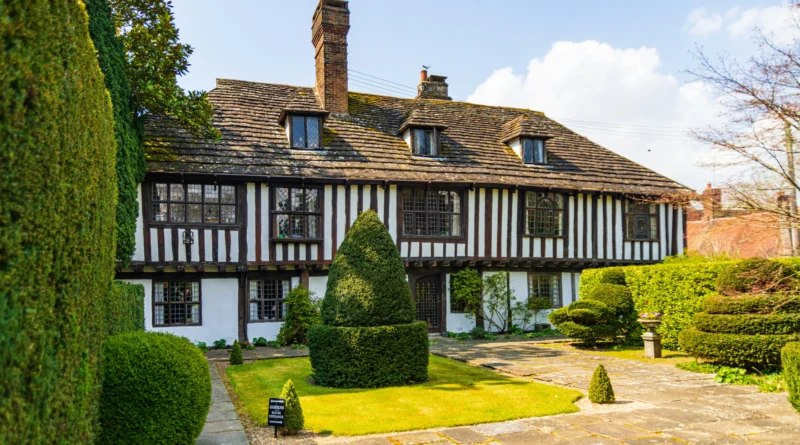
What Home Architectural Styles Increase Property Value
Home architectural styles go beyond just looks. They shape how people see a property. They also affect upkeep and worth. For real estate agents and investors, understanding which styles gain value quicker or sell for more can guide choices. Trends differ by area. But some designs always bring good returns. This comes from their lasting charm, smart setups, and fit for today’s life.
Why Do Architectural Styles Affect Property Value?
The design of a house does more than set its appearance. It changes how easy it is to live there. It also shifts repair costs and draws people in emotionally. Buyers link certain styles to solid work or past glory. Take Colonial homes, for instance. Folks often tie them to strength and old ways. Modernist homes stand for new ideas and plainness. The style touches energy savings and update options too. Both play big roles in how much a property is worth now.
Historical Significance and Heritage Appeal
Old styles like Victorian or Craftsman homes keep their value well. This happens because of their place in culture and special touches. Many folks like the real wood details, colored glass panes, or handmade stonework. New houses seldom match that. In spots like Boston or San Francisco, kept-up old homes can sell for 20% more than fresh ones close by. I recall a friend in Boston who bought a Victorian fix-up. After some careful work, it sold fast and high.
Modern Functionality and Lifestyle Fit
Today’s styles focus on wide-open rooms, plenty of sunlight, and green stuff. They match what buyers want right now. Simple setups with big windows and links to outside spaces pull in young people. These folks like homes that bend to their needs. It’s not just about looks. It’s about real daily use.
Regional Popularity and Market Demand
A house’s design needs to suit its spot on the map. A sunny Mediterranean house shines in Southern California. But it might look odd in New England. Weather there plays a part too. Materials do better in matching climates. Stucco holds up in dry spots. It struggles in wet ones. When the style fits the place, looks blend nicely. Value stays strong over years.
Which Traditional Home Styles Retain the Highest Value?
Old-school house designs stand firm against ups and downs in the market. They show steadiness and good build quality. Their clear shapes bring back fond memories. That draws steady buyers. And it keeps interest alive.
Colonial Revival Homes
Colonial Revival builds one of the toughest American house types. Its even front, many small windows, and sloped roofs give a sense of calm and neatness. These places often have brick or wood siding that wears well if cared for right. They mix old appeal with useful insides. So, they beat flashier types in holding worth over time. In my view, that’s why they’re a safe pick for many.
Craftsman Bungalows
Craftsman bungalows from the early 1900s still pull in people who want the real deal. You see open wood beams, fitted shelves, and wide front porches. They make a cozy feel that’s missing in cookie-cutter homes. Their not-too-big size suits those cutting back on space. But they keep plenty of personality. One example: a bungalow in Seattle that a family turned into a cozy nest. It sold quick after minor tweaks.
Tudor-Style Residences
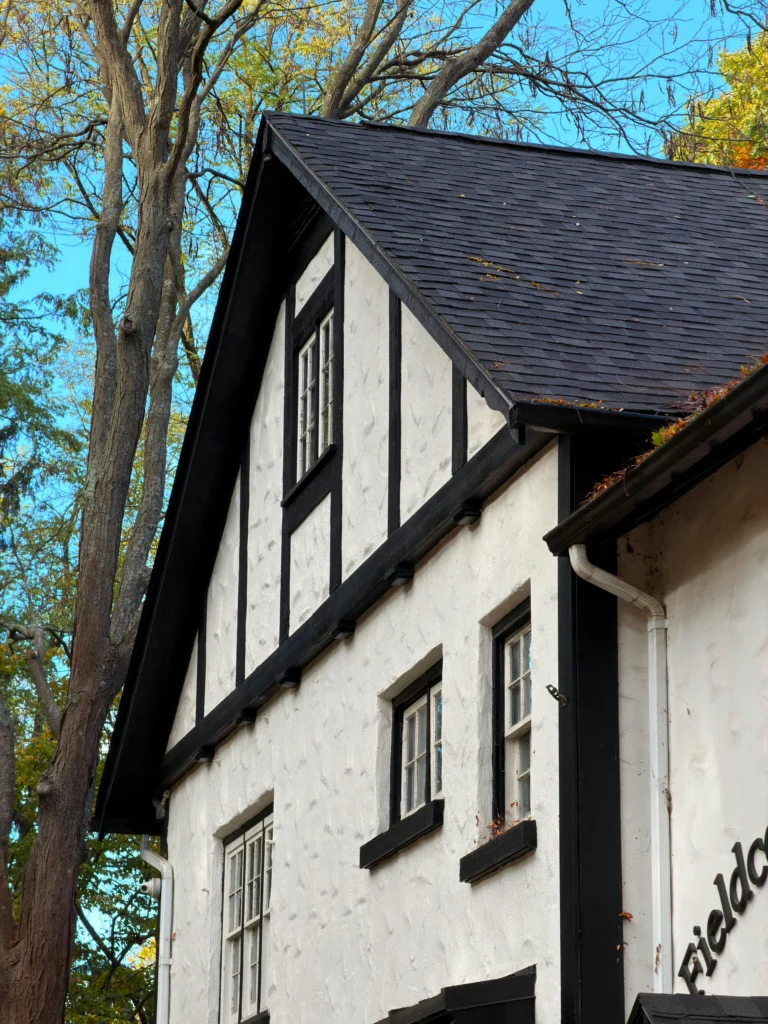
Tudor houses come with sharp roof angles, fake wood frames, and small glass windows. They add a touch of old Europe to plain suburbs. Their fine details and strong builds from the 1900s help. Kept-up Tudors fetch top prices from folks who love past looks. It’s a niche crowd, but loyal. Prices can jump 15% in good areas, based on recent sales data.
How Do Modern Architectural Styles Impact Market Appeal?
Newer designs have changed home building. They stress easy lines, green ways, and ties to the outdoors. City crowds grow. Work from home shifts how we use houses. These styles meet those changes head-on.
Mid-Century Modern Homes
Mid-century modern uses straight edges, smooth surfaces, and wide glass to link inside and out. It started in the 1940s to 1960s. Think architects like Richard Neutra and Joseph Eichler in California. Now, sharp-eyed buyers seek the real ones. Not copies. Demand is back strong. A Eichler home in the Bay Area, for example, often lists for over a million these days.
Contemporary Minimalist Designs
Minimalist houses put use first. They skip fancy bits. Open spaces take over closed rooms. Soft colors help rooms flow. Good glass saves on power bills long-term. Homes like this draw tech workers or green families. They’re ready to pay extra for smart, low-cost living. It’s practical, not showy.
Sustainable Eco-Homes
Green tags like LEED or Passive House lift a home’s worth a lot. They cut running costs. Think solar setups, reused stuff, or water savers. These show smart planning for the future. As folks care more about the planet, such homes shine. One stat: eco-homes sell 5-10% higher in eco-hotspots like Portland.
Are Regional Architectural Preferences Changing Property Trends?
Local flavor still guides how designs do in sales. But the world connects more. Old shapes mix with new twists now.
Coastal-Inspired Architecture
By the sea in Florida or the Carolinas, small Key West homes or Cape Cod types stay popular. Their airy sizes and tough materials like wood shakes or tin roofs fit the weather. Raised bases guard against floods. That’s key with seas rising. Buyers snap them up for that safety plus charm.
Mountain Lodge Aesthetics
In hills, log homes or chalet looks with stone bottoms and wood frames blend right in. Folks pay extra for views through big windows. It’s the style’s smart point. Imagine a lodge in Colorado. The wraparound glass makes every meal a postcard.
Urban Loft Conversions
In big cities with tight land, old factory turn-ins are hot buys. They keep raw brick and metal supports. This mixes past with now. Great for home offices or multi-use spots. In New York, a loft conversion can double in value in five years if done right.
What Role Does Renovation Play in Preserving Architectural Value?
Fix-ups can build or harm a house’s built-in worth. It depends on keeping true to the first design. While adding today’s needs.
Restorative Preservation Techniques
For old spots like Victorian big houses or Georgian rows, fixes should guard the base strength. Don’t lose the time’s true feel. Fix the sliding windows. Don’t swap them out. That keeps the nice look and follows keep-rules. It’s worth the effort for long-term gain.
Adaptive Reuse Strategies
Changing old spots for fresh uses, like barns to homes, can free up big value. Do it with care. Keep the first beams. Add good wall stuff for warmth. This joins old skill with now’s ease. A barn-turned-home in rural Virginia sold for triple its buy price after such changes.
Smart Technology Integration
Adding quiet smart tools for lights or safety boosts daily ease. It doesn’t mess up old insides visually. This quiet update pulls in young buyers. They want tech fits even in classic shells. It’s a bridge between eras.
How Can You Choose the Right Style for Long-Term Investment?
Picking a design means weighing what you like with money smarts. Data shows lasting types beat wild ones if sell time is iffy. Think ahead.
Matching Style With Target Demographics
For family buyers, two-floor Colonials might win over boxy simple homes. They feel warm and useful. City workers, though, lean to clean lofts. Those stress bend over frills. Match to who you aim for.
Considering Maintenance Costs Over Time
Tricky roofs in Tudor or Victorian spots need more care than flat modern ones. Plan those costs early. It stops value loss when you sell later. Simple math: upkeep under 2% of value yearly keeps things solid.
Evaluating Neighborhood Cohesion
The house style should go with nearby builds. Don’t clash hard. Matching streets build a group feel. That helps all homes rise in worth. Studies from the National Association of Realtors since 2018 back this up. Cohesion matters.
FAQ
Q1: Which home architectural style increases property value fastest?
A: Colonial Revival homes generally appreciate steadily because they combine historical charm with functional layouts attractive across generations.
Q2: Do modern minimalist houses hold value long term?
A: Yes—especially those built sustainably using energy-efficient materials since operational savings add measurable resale advantages over time.
Q3: Are historic restorations worth the investment?
A: Properly restored heritage properties often yield strong premiums provided renovations respect original craftsmanship rather than replace it entirely.
Q4: Does regional climate affect which style performs best?
A: Absolutely; local weather dictates suitable materials—for instance stucco suits arid zones while brick endures humid climates better—directly influencing maintenance costs tied to valuation longevity.
Q5: How important is sustainability when valuing architecture today?
A: Increasingly critical; green-certified homes not only reduce bills but also align with policy incentives promoting eco-friendly construction practices expected to dominate future housing markets beyond 2030 (U.S. Green Building Council).