
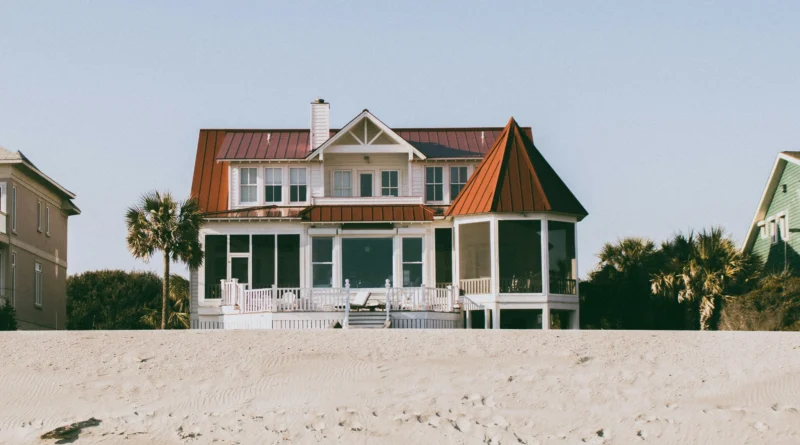
Are Home Architectural Styles Important When Buying
As you begin your search for a fresh house, it does not take long to notice that building designs do far more than alter the outer view. They touch on the cost, everyday ease, and how well the place suits your habits. You could lean toward a snug Craftsman bungalow, an enduring Colonial revival, or a crisp Mid-century modern dwelling. Such choices subtly steer your picks in major directions. Folks looking at houses often mix their own tastes with wise financial steps ahead. For instance, one group picked a layout ideal for their outdoor grilling sessions on weekends, and that choice made everything click right away from the start.
What Role Do Home Architectural Styles Play in Property Value?
A property’s general layout can change how the market sees its worth by a good margin. The outer form often signals the structure’s years, sturdy make, and links to local background. Spots where one design takes over, like Victorian houses in San Francisco or Spanish Revival ones in Los Angeles, see homes that match well keeping strong selling figures. The way the house fits the surrounding feel sparks good moods and solid money returns as years pass. Take a certain block in San Francisco that stands out; the homes there all lined up in style and fetched about 15% extra compared to those that stuck out oddly.
Market Perception and Buyer Attraction
Buyers commonly tie particular forms to status or rich history. Georgian-style places evoke grace and age-old customs, but Modernist ones suggest new views and welcoming areas. Zillow’s 2023 findings note that houses with clear historic looks sold 12% sooner than plain versions without any real style note. This point shows clearly how the sight pulls in actions from shoppers. Imagine a person entering a captivating old dwelling; that quick spark is what pushes fast deals.
Regional Consistency and Neighborhood Character
Keeping designs even builds a feeling of unity among neighbors. Planned areas or past-focused districts push for style matches, and sometimes town laws or groups watching over things demand it. That evenness boosts the road’s first impression and holds home prices steady over long stretches. Picture rows of like homes; they give the area a clean, friendly look to anyone driving by. In one quiet suburb, this setup even raised community pride, with folks chatting more over fences.
Renovation Potential and Long-Term Investment
Some layouts adjust to updates with less fuss than others. A basic Ranch-style house makes adding spaces straightforward, unlike detailed Victorian builds that call for pros to fix things. If you aim to stay put for decades, weigh the steady upkeep bills and how simple it is to shift room setups in different designs. Field observations suggest that going for a solid foundation cuts down on later troubles quite a bit. One case involved a simple Ranch where owners added a family room in just two months, saving thousands in fees.
How Do Architectural Styles Reflect Lifestyle Preferences?
The front of a house tends to show the routines of the people within. Each kind highlights special parts. A few stress common rooms, and others push for alone spots or bonds with the yard.
Functional Layouts for Modern Living
Broad plans in Contemporary and Mid-century Modern spots line up with today’s like for easy meet-up areas. These places join cooking spots, meal tables, and lounge zones into one smooth area. And so, they back relaxed days and handling several jobs together. Consider fixing food while chatting with company; that is the true perk of such setups each day. In busy family homes, this flow cuts down on running around, making mornings smoother.
Connection With Nature Through Design
Forms like Prairie or Craftsman aim to mix in with the nearby land. They add gentle roof angles, wide front decks, and real items such as timber and rock. Such choices draw those who prize earth-kind ways and outdoor hours over bright inside touches. During hot summer times, the natural cover works well without turning up the cool air much. A Prairie home in the Midwest, for example, lets breezes flow through open windows, keeping things fresh even on sticky days.
Privacy and Formality in Traditional Designs
Colonial or Tudor houses often have areas split by walls. This setup fits neat events or homes wanting separate zones for tasks. Though not as sought after now, they still call to buyers who pick ordered setups over big open ones. Now and then, that extra barrier gives the quiet just right for calm nights. In a Tudor setup, the separate study room turned into a perfect hideaway for reading after a long day.
Why Does Regional Climate Influence Architectural Style Choices?
Area weather has shaped how people build for ages. It sets how homes deal with hot air, wetness, light from the sun, and gusts. A house runs well if its build matches the local setup. Think of rainy Seattle versus dry Phoenix; choices there differ hugely based on what the sky throws down.
Adaptation to Heat or Cold
In bright spots such as Arizona or New Mexico, Southwestern adobe-style homes use thick barriers. And these hold onto coolness in scorching day warmth. Meanwhile, Cape Cod small houses have pointed roof shapes. These let thick snow slip off soon in harsh New England cold spells. Real stories back this up; picture a resident in the desert area thanking adobe for beating back 110-degree highs without sweat. In fact, such walls can drop indoor temps by 20 degrees naturally.
Materials Suitable for Local Conditions
Items from close by cut down build money and raise lasting power. Rock shows up often in rough lands for its tough nature. Timber takes over in forest zones because it is on hand. Plaster works fine in dry lands where water harm stays low. Using local stuff just aids builds that last through seasons. One builder in the Rockies shared how local stone saved 25% on costs and held up against avalanches better.
Energy Efficiency Through Design Elements
Bits like big overhangs against sun or smart window places for wind flow show past builders thought of saving on power. These thoughts came before big talks on green living. Right now, they mean smaller bills on lights and heat, especially as fuel prices climb and hit every wallet. In a sunny California home with good shading, owners saw electric use drop by 35% over a year.
Can Architectural Style Affect Maintenance Costs?
Each design brings its own build parts that touch fix bills as time ticks on.
Complexity of Design Features
Victorian houses with fancy edges need steady fresh paint and fixes to keep fine lines crisp. Plain Modern places skip lots of outside work, but they might use high-price parts like wide glass sheets or metal frames that demand special care. In the end, buyers face a pick between nice looks and money strain. A Victorian owner once spent $5,000 yearly on trim alone, while a Modern next door paid half that.
Rooflines and Structural Integrity
Tricky roof shapes in Gothic Revival or Queen Anne types can let water in if checks skip. Simple sloped roofs on Ranch houses mend quick and cheap after rains or wear from years. Usually, the basic way wins for saving cash over time. After a big storm in the Midwest, Ranch roofs fixed in days, but Gothic ones took weeks and more funds.
Material Longevity Versus Replacement Costs
Brick Colonial houses get old gracefully with few outside tasks. But timber small houses call for regular paint or wall swaps from weather beats. Picking smart at the beginning skips surprise spends later. Wooden homes in humid spots often need new siding every 10 years, pushing costs up by 40% compared to brick.
How Do Architectural Styles Impact Resale Potential?
When it comes time to sell, the design can grow or shrink the crowd of possible buyers based on what sells hot.
Timeless Appeal Versus Trend Sensitivity
Classic types like Colonial Revival keep fans across times since they fit many likes. Super fresh styles, however, split the crowd. Some folks adore the clean lines, but others find them too empty. Styles shift, yet basics stay sure, just as a steady Colonial always pulls in takers. In a 2022 market dip, Colonials held value 10% better than trendy ones.
Compatibility With Urban Development Trends
Cities now like mixed spots with walk paths and small setups. Small Craftsman small houses can top big land homes due to good spots over just room size. In full areas, the place often beats the space count. A Craftsman in Portland sold fast to young workers who valued the nearby shops more than extra yard.
Heritage Recognition and Market Premiums
Homes listed as past treasures get extra pay for their tale beyond the build. But they limit changes, which can push away those wanting free shifts. It is extra worth with some ties. Historic spots in Charleston often add 20% to price, but owners note the rules make updates a hassle.
Should You Prioritize Style Over Function When Buying?
Weighing outer charm against real use makes picking a home tricky. A fine front means nothing if the inside setup throws off your day-to-day.
Evaluating Practicality Against Aesthetic Desire
Shoppers can get caught in the pretty shell and miss real problems, like poor heat keep or weird path links in old builds from before now tools. It makes sense to look at the core, not only the skin. One buyer skipped a charming but leaky Victorian for a functional plain one and avoided floods later.
Considering Future Family Needs
Newlyweds might adore a tight cottage at first. But adding kids flips needs fast. Big open areas can turn chaotic when you seek peace again. So, focus on flex over first flash. Families with plans for growth often pick expandable designs that adapt as life changes.
Financial Implications of Stylistic Preference
Going after a rare look might narrow loan paths. Banks check like homes for worth guesses. Sticking with common ones smooths the path to deals. In odd styles, approval times stretch to months, while standards wrap in weeks.
FAQ
Q1: What Is the Most Popular Home Architectural Style in the United States?
A: According to Realtor.com (2023), Ranch-style homes remain the most popular nationwide due to their single-level convenience and affordability compared with multi-story alternatives. They show up in tons of spots because stairs do not suit all, especially as age creeps in. Actually, more than 40% of buys in outer town areas go for these handy flat-level picks. Ranch homes fit flat lands well and suit older crowds moving later in life.
Q2: Does Owning a Historic-Style Home Increase Insurance Costs?
A: Yes, insurance premiums can be higher because authentic restoration materials are costly and specialized labor is limited; however, some states offer tax incentives for preservation efforts that offset these expenses. When past matters a lot, that extra fee can pay off, but checking numbers first helps. Take spots heavy on keeping history like Boston; there, breaks lower costs by near 20%. Owners there balance the premium with pride in the old charm.
Q3: Are Modern Homes More Energy Efficient Than Traditional Ones?
A: Generally yes—modern architecture integrates better insulation materials, double-glazed windows, and passive solar orientation principles absent from many older designs built before energy codes tightened post-1970s oil crisis regulations. New builds use way less power than those old windy ones from before. Folks say they save 30-50% on warm-up costs in fresh spots alone. Plus, with smart tech added, savings climb even higher in daily use.
Q4: Can You Mix Different Architectural Styles During Renovation?
A: It’s possible but requires careful planning so additions don’t clash visually; blending complementary elements like contemporary interiors within classic exteriors works best when proportions remain consistent across façades. Good cases, like a nearby update watched closely, mix times well and grab eyes without force. The trick lies in picking builders who grasp harmony. One such project turned a 1920s house modern inside while keeping the old front intact, boosting value by 15%.
Q5: How Do I Choose an Architectural Style That Fits My Lifestyle?
A: Consider daily routines first—if entertaining outdoors matters most, Mediterranean courtyards may suit you; if privacy ranks higher, Colonial layouts provide separation between spaces without sacrificing charm. Start by noting key wants, such as bright morning sit spots or safe kid areas, to point the way. This method aided a pair in landing their ideal after long looks. They listed needs like big kitchens for family meals and found a match that grew with them over years.