
What House Plans Add The Most Property Value
When you’re building or updating a home, the setup and style of your house plans can really affect how much the property is worth. People buying houses these days pick carefully. They want places that feel cozy, save energy, and sell well later on. A good plan makes the house easy to live in. It can also boost the price when you sell. This piece looks at which kinds of house plans help increase value the most. It explains why they draw in today’s buyers. For instance, think about a family moving to a new town—they often hunt for homes that fit their daily life without big changes.
Why Do Certain House Plans Increase Property Value?
Any owner wants to figure out what sets one design apart from others in terms of worth. The reason usually comes down to how well the space works and holds up over time. Experts in real estate always point out that good movement, right sizes, and room to change are big parts of what sets the value.
Open-Concept Layouts
Open-concept floor plans stay popular because they make rooms feel bigger and more flexible. You take out extra walls between the living room, dining area, and kitchen. This lets sunlight pour in everywhere. Such a setup improves everyday life. It also looks great in photos for real estate ads, which can lead to better bids. In areas where space costs a lot, these open designs help small homes seem roomy. You don’t have to pay for more square feet. I’ve seen homes like this sell quicker in my neighborhood, where folks love that airy feel during family gatherings.
Multi-Functional Spaces
Today’s buyers like homes that can switch uses easily. For example, a room that works as an office but also as a guest bedroom adds real worth. Or a finished basement that turns into a workout spot and a place for movie nights. These flexible areas let people adjust as life shifts. That’s key now with more folks working from home. If your house plan has rooms that change without hassle, you’re setting up for the long haul. It’s like investing in a tool that lasts through different jobs.
Energy-Efficient Design
Plans that save energy cut down on power bills. They also catch the eye of people who care about the planet. Things like windows facing the sun right, good wall insulation, and zoned heating systems can raise the home’s worth by as much as 10%. That’s from U.S. Department of Energy data in 2023. Even simple adds, such as smart windows or top-rated appliances, show buyers they’ll save money down the road. Plus, it feels good to know you’re helping the environment a bit. In hot summers, for example, those features keep the house cool without cranking up the AC all day.
How Does Architectural Style Affect Home Value?
The look of a house affects how buyers see its quality and appeal in a deep way. Some styles never go out of fashion. Others fit local tastes or what’s hot right now.
Modern Farmhouse Appeal
The modern farmhouse style has led building trends for about ten years. It mixes old-country feel with straight, simple lines. This gives a warm vibe that doesn’t date quickly. Big front porches, sloped roofs, and kitchens with huge counters all help make it a hit. Houses with this plan sell faster than most. That’s because so many people like it. Picture a cozy evening on that porch with friends—it just draws you in.
Contemporary Minimalism
Contemporary minimalist homes focus on basic shapes. They have flat roofs, lots of glass, and inside spaces with little decoration. These often use green stuff like bamboo floors or reused metal frames. They might not fit every spot, but in city areas or fancy suburbs, they fetch top dollar. Buyers see them as fresh and high-class. It’s like walking into a calm retreat after a busy day.
Traditional Colonial Influence
Colonial-style plans keep doing well when it comes to selling prices. They have even shapes and matching front sides. People link this style to solid build and good work. Even with fresh inside updates, these homes keep strong looks from the street. They appeal over many years. Families pass them down, and new owners still love the classic charm.
Which Layout Features Offer the Best Return on Investment?
Choices about how rooms connect hit both how easy the home is to use and what experts value when checking worth. Appraisers and buyers look at these details closely.
Master Suite Placement
Putting the main bedroom suite on the ground floor is getting more popular. Older buyers like the ease of one-level living. Families want space away from kids’ rooms upstairs. This setup draws interest from all kinds of people when selling.
Kitchen Location and Flow
The kitchen is still the main spot in most homes. Where it sits makes a huge difference. A kitchen in the middle that links well to eating areas and outside spots makes moving around simple. It works for regular days or when you have guests. Adding things like big storage closets or small eating corners ups the fancy feel. In real life, I recall a friend’s home where the kitchen opened to the yard—barbecues became effortless.
Storage Optimization
Lots of places to store things often get overlooked at first. But buyers notice when they check out different houses. Big closets you can walk into, shelves built right in, easy attic spots, and tidy garage setups all add up. They help the home’s value grow steadily. It’s those little things that make daily life smoother without clutter everywhere.
What Role Do Outdoor Spaces Play in Property Valuation?
Outside areas have grown from just extras to must-haves in good house plans. They boost worth in clear ways.
Functional Patios and Decks
A smart patio or deck adds more living space outside. It doesn’t cost as much as building inside. Tough materials like fake wood or patterned cement last long. They match the inside looks well. These spots let you enjoy fresh air without much upkeep.
Landscaping Integration
Smart yard work, with local plants, trees for shade, and clear paths, boosts the front view right away. That first look from the road matters a lot. It sways what appraisers think. Small spends here pay off big when you talk prices with buyers. For example, adding a few flowering bushes can make the place feel welcoming, like a hug from nature.
Outdoor Kitchens and Fire Features
Fancy buyers now want outside cooking spots with fixed grills or ovens for pizza. They pair with fire pits for night get-togethers. These turn yards into spots you use all year. They change how people see the lifestyle. That pushes up the sale price. Imagine summer dinners under the stars—it’s pure magic.
How Important Is Square Footage Versus Smart Design?
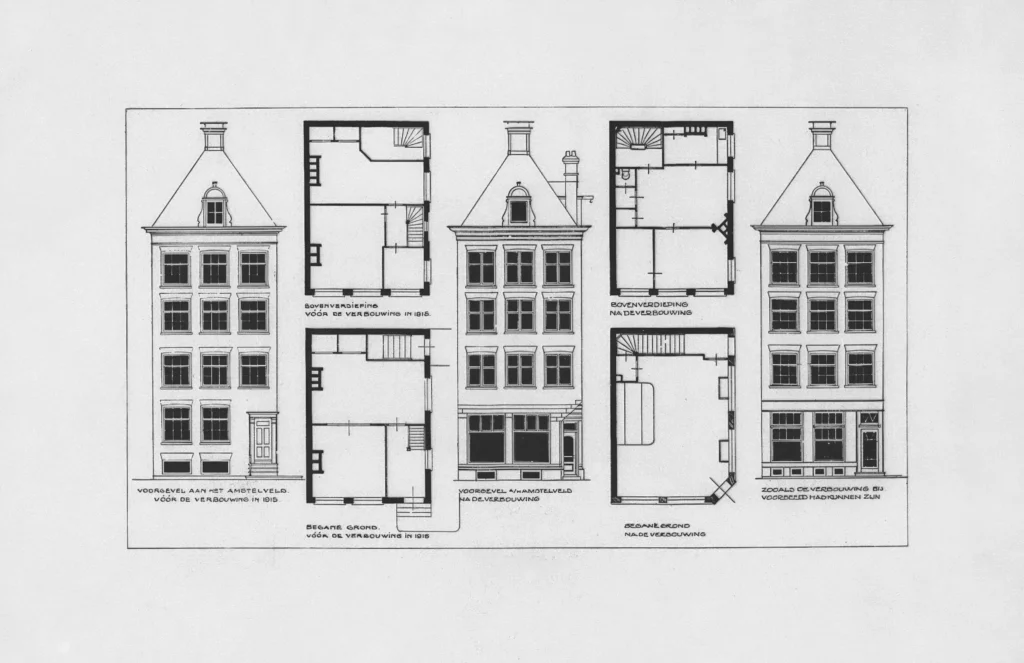
More space doesn’t always mean more value in house plans. It’s about using what you have wisely.
Efficient Use of Space
Tight but smart setups often beat big, spread-out ones. That’s if each bit of room has a point. Smart storage under stairs or halls that do double duty cut waste. They keep the home comfy like a bigger place. In tight budgets, this approach saves money while feeling full.
Proportionate Room Sizes
Room sizes that fit together well count more than just total area. Huge bedrooms that shrink shared spots can feel off. But smaller rooms placed nicely make everything look right. Buyers sense that balance without thinking. It helps during visits.
Adaptability Over Expansion
Rather than tacking on extra parts, make inside areas easy to tweak. This lets new owners change things as needed. It’s great in up-and-down markets. Flexible homes last longer. You avoid big rebuilds later, which keeps costs down.
Can Technology Integration Boost Home Value?
Tech in homes is now a core part, not an add-on, for places that sell high.
Smart Security Systems
Buyers like built-in safety setups you control from your phone. Think cameras at the door, sensors for movement, and locks that work remotely. These bring peace of mind and ease. Experts note them in value checks.
Climate Control Automation
Thermostats you set ahead, tied to heating zones, keep things comfy. They cut energy use too. Young buyers who like gadgets find this a big plus. It fits their green goals. On cold mornings, it warms just the rooms you’re in.
Integrated Lighting Solutions
Lights you run by voice or set moods make the inside better. They add a touch of class quietly. These set top homes apart from plain ones. The cost isn’t huge, but the fancy feel is.
FAQ
Q1: What type of house plan adds the most resale value?
A: Open-concept layouts combined with energy-efficient design elements tend to yield the highest return due to broad buyer demand across markets. They just click with so many folks looking for practical homes.
Q2: Are larger homes always worth more?
A: Not necessarily; efficient design maximizing usable space can outperform oversized properties lacking functional flow or proportional balance. Sometimes, a well-planned smaller spot feels just right.
Q3: Does adding outdoor living space really increase property value?
A: Yes—patios, decks, and integrated landscaping enhance both aesthetic appeal and practical usability recognized by appraisers during valuation processes. It’s like extending your home without the walls.
Q4: How does technology affect home appraisal values?
A: Smart home features such as automated climate control or advanced security systems now contribute measurable premiums within competitive housing segments nationwide (source: National Association of Realtors 2023). Tech-savvy buyers snap them up fast.
Q5: Which architectural style maintains long-term popularity?
A: Traditional Colonial designs consistently retain strong resale performance thanks to timeless symmetry appealing across multiple buyer generations while allowing interior modernization flexibility. They’ve stood the test of time in so many towns.