
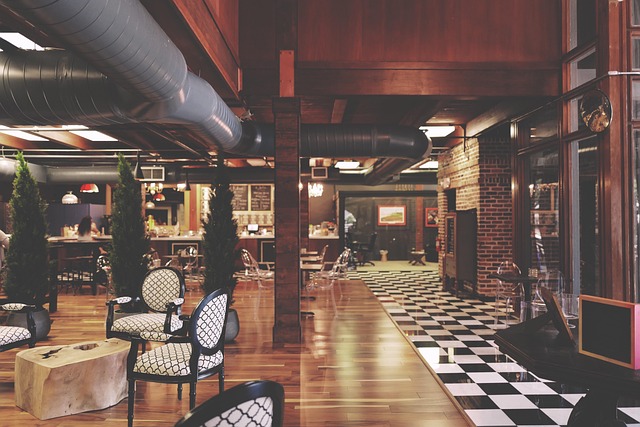
How Do Bungalow House Styles Influence Culinary Space Design
Architectural Characteristics of Bungalow House Styles
Bungalow house styles emerged in the early 20th century as a response to industrialization, offering simplicity, craftsmanship, and harmony with nature. Their design principles continue to influence modern residential architecture, particularly in how spaces for living and cooking interact. These homes are not only architectural statements but also reflections of lifestyle—where food, family, and spatial flow merge seamlessly.
Defining Features of Bungalow Architecture
Low-pitched roofs, wide eaves, and open floor plans are the hallmarks of bungalow design. The architectural language emphasizes horizontality, creating a grounded appearance that connects the home to its site. Natural materials like wood shingles, stone foundations, and exposed beams enhance tactile warmth and visual authenticity. This focus on craftsmanship celebrates the handmade quality that defines traditional bungalow aesthetics.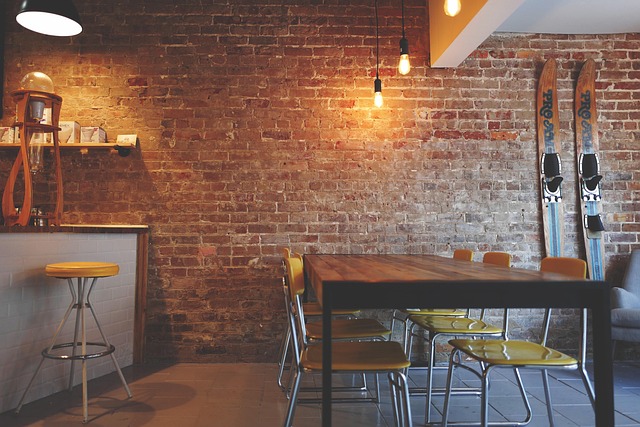
The integration with surrounding landscapes also shapes spatial flow and lighting. Large porches extend living areas outward, while generous windows invite daylight into interiors. In many regions such as California or Southeast Asia, this relationship between inside and outside determines how air circulates through the home—a key feature when considering kitchen placement and ventilation.
Spatial Organization in Bungalow Interiors
Inside a bungalow, spaces are typically compact yet interconnected. Centralized living areas promote social interaction by linking dining rooms directly with kitchens and lounges. Such layouts encourage movement without barriers—an approach that aligns well with contemporary preferences for open-plan living.
Because bungalows often occupy modest footprints, efficient use of square footage is essential. Built-in cabinetry, multipurpose furniture, and strategic lighting help maintain openness without cluttering sightlines. The transition from indoor to outdoor areas also influences kitchen planning; for instance, locating the kitchen near a veranda improves natural ventilation while facilitating outdoor dining during warm seasons.
Influence of Bungalow Design Principles on Culinary Spaces
As bungalow house styles evolved, their design principles began shaping culinary spaces beyond mere functionality. Kitchens became social hubs where architecture meets gastronomy—spaces that reflect both cultural habits and environmental logic.
Open Floor Concepts and Kitchen Visibility
Open-plan layouts merge kitchen, dining, and living zones into one continuous environment. This arrangement enhances visibility across spaces, allowing cooking activities to remain part of household interactions rather than isolated tasks. Visual continuity also makes smaller homes feel larger by eliminating unnecessary partitions.
Design coherence is achieved through consistent materials—wood flooring extending into the kitchen or shared color palettes that unify cabinetry with adjoining walls. In practice, this means a cook can prepare meals while engaging guests seated nearby without breaking conversation or visual contact.
Natural Light and Ventilation in Kitchen Design
Light plays an architectural role in bungalow kitchens beyond illumination—it defines mood and energy efficiency. Large windows above countertops or clerestory openings along rooflines bring sunlight deep into the interior during daytime hours. When paired with skylights or transom vents, these features improve air circulation naturally.
Orientation matters too: placing the kitchen on the east side captures morning light ideal for breakfast routines while reducing afternoon heat gain. Passive cooling strategies such as cross-ventilation minimize reliance on mechanical systems—a principle consistent with early bungalow ideals of sustainable comfort long before “green design” became a trend.
Materiality and Aesthetic Coherence in Bungalow Kitchens
Material selection within bungalow kitchens extends beyond decoration; it expresses philosophy. Every surface tells a story about authenticity and place.
Use of Natural Materials in Culinary Spaces
Wood remains central—oak cabinets or teak counters bring warmth that synthetic alternatives rarely match. Stone tiles around cooking zones add durability while echoing exterior masonry details common to bungalow façades. Brick backsplashes or hearth-style ovens reinforce this tactile continuity between structure and function.
Sustainability is another thread connecting past to present. Using reclaimed timber or locally sourced stone aligns with the ecological ethos inherent in bungalow architecture—respecting both material origins and craftsmanship traditions over industrial mass production.
Harmonizing Interior Finishes with Architectural Context
Cabinetry often mirrors handcrafted detailing found elsewhere in the home: inset panels, exposed joinery, or simple iron pulls instead of ornate hardware. Color schemes lean toward earthy tones—muted greens, ochres, or browns—that maintain visual unity across rooms.
Countertop materials strike a balance between resilience and aesthetic fit; soapstone or honed granite provide longevity without clashing with natural textures surrounding them. The result is an environment where every element feels intentional rather than imposed—a quiet coherence that defines true bungalow spirit.
Functional Adaptations for Modern Culinary Practices
While traditional bungalows celebrated simplicity, today’s lifestyles demand flexibility. Modern kitchens must accommodate advanced appliances without disrupting historical charm—a delicate negotiation between old values and new conveniences.
Integrating Contemporary Appliances into Traditional Layouts
Concealed appliances have become popular solutions: panel-ready refrigerators blend into cabinetry lines while under-counter ovens preserve sightlines across compact spaces. Modular storage systems further optimize limited footprints by allowing reconfiguration as needs evolve.
Smart technology enters subtly—voice-controlled lighting or energy-monitoring systems integrated behind wooden facades ensure innovation doesn’t overshadow character. It’s about quiet intelligence rather than conspicuous display.
Ergonomic Considerations in Compact Culinary Environments
In smaller bungalows, ergonomics matter immensely. The classic work triangle—sink, stove, refrigerator—must function efficiently within tight perimeters to reduce unnecessary movement during meal preparation. Multi-functional islands serve dual roles: workspace by day, gathering spot by evening.
Lighting versatility enhances usability too; task lights over counters complement ambient fixtures above dining zones so transitions between cooking and entertaining remain fluid without harsh contrasts or glare.
The Relationship Between Indoor–Outdoor Flow and Dining Experience
For many bungalow house styles worldwide—from Californian Craftsman to tropical Malay—the boundary between indoors and outdoors is intentionally blurred. This spatial fluidity transforms how food is prepared and enjoyed.
Extending Culinary Activities Beyond Interior Boundaries
Outdoor kitchens equipped with grills or pizza ovens extend functionality beyond walls while maintaining proximity to main cooking areas inside. Sliding glass doors or verandas make these transitions seamless both visually and physically.
Landscape elements such as herb gardens near patios enrich sensory experience; imagine stepping outside mid-recipe to pluck fresh basil within arm’s reach—a small but meaningful luxury rooted in thoughtful design rather than extravagance.
Cultural Interpretation of Dining within Bungalow Contexts
Regional variations influence dining rituals differently: in warm climates like India or Indonesia, open courtyards encourage communal meals under shaded pergolas; in Western contexts such as Australia’s Federation bungalows, verandas double as alfresco dining rooms year-round thanks to mild weather patterns.
Local materials reinforce cultural identity too—bamboo screens filtering light in tropical homes or rough-cut cedar tables reflecting North American rusticity—all serving as expressions of place through everyday acts like eating together.
Future Directions in Bungalow-Inspired Culinary Space Design
Looking ahead, designers reinterpret bungalow principles through sustainability-driven innovation while preserving emotional resonance—the sense that homes should feel lived-in rather than staged.
Sustainable Innovations Aligned with Traditional Principles
Renewable energy systems such as rooftop solar panels now integrate discreetly within low-pitched roofs characteristic of bungalows. Water-efficient fixtures inside kitchens conserve resources without compromising performance standards set by modern households concerned about ecological responsibility (EPA WaterSense data 2023).
Adaptive reuse projects breathe new life into century-old structures by updating plumbing or insulation yet retaining original woodwork—a model increasingly favored among preservationists balancing heritage with practicality.
Reinterpreting Bungalow Aesthetics for Contemporary Lifestyles
Contemporary designers reinterpret classic proportions for evolving family dynamics: open layouts accommodate multi-generational living while maintaining intimacy typical of early designs. Minimalist interpretations highlight clarity over ornamentation but still honor craftsmanship through tactile finishes rather than decorative excess.
Hybrid models combine digital convenience—smart sensors monitoring air quality—with handcrafted authenticity visible in joinery details or custom tilework around stoves. It’s less about nostalgia than continuity: translating enduring values into forms relevant for tomorrow’s households where food remains central to daily life.
FAQ
Q1: What makes bungalow house styles distinct from other residential designs?
A: Their defining traits include low-pitched roofs, broad eaves, open interiors, and strong connections between indoor spaces and surrounding landscapes—all emphasizing simplicity and natural materials over ornamentation.
Q2: How do bungalow layouts influence modern kitchen design?
A: They encourage open-plan arrangements where cooking areas merge visually with dining zones to support social interaction while maintaining efficient use of space through compact organization.
Q3: Why is natural light essential in bungalow kitchens?
A: Large windows maximize daylight exposure for better visibility during meal preparation while promoting passive ventilation that reduces dependence on artificial cooling systems.
Q4: Can traditional bungalows accommodate smart kitchen technology?
A: Yes; modern appliances can be concealed within cabinetry lines so technological upgrades coexist discreetly alongside handcrafted finishes typical of historic bungalows.
Q5: How does outdoor space contribute to the culinary experience?
A: Outdoor kitchens or patios expand functional boundaries beyond interiors while landscaped surroundings enhance sensory enjoyment during dining experiences rooted in nature’s presence.