
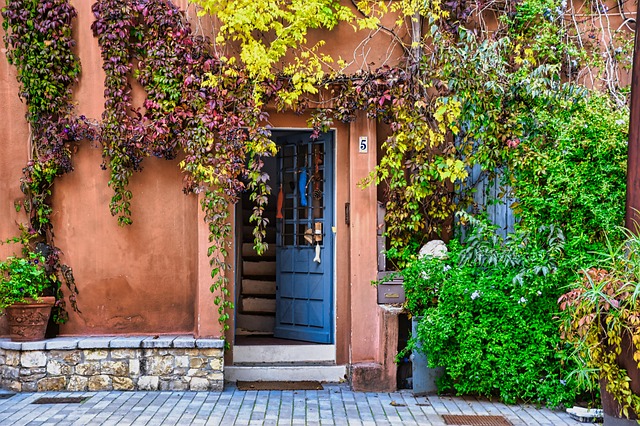
Is Living Wall Architecture Redefining Sustainable Design Practices
What Is Living Wall Architecture And Why Use It
Living wall architecture is a design approach that embeds vegetation directly into building façades, transforming inert surfaces into living ecosystems. It provides measurable environmental, aesthetic, and energy benefits. For architects and sustainability experts, these systems are not decorative novelties but functional components of high-performance buildings. They regulate temperature, filter air pollutants, and enhance biodiversity within urban contexts. As cities densify and green space becomes scarce, living walls represent a pragmatic way to integrate nature into vertical environments while aligning with modern green home building plans and sustainable certification frameworks.
Understanding Living Wall Architecture
Living wall architecture merges ecological thinking with technical precision. It involves both biological and structural systems working together to create façades that perform as living organisms.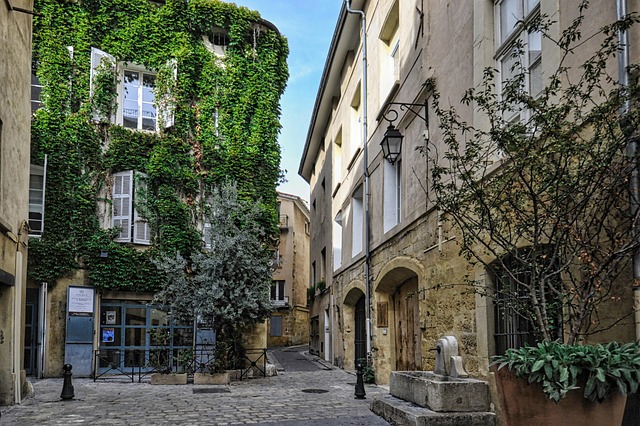
Defining the Concept of Living Wall Systems
Living wall architecture integrates vegetation into vertical building surfaces. Systems can be modular, hydroponic, or soil-based depending on design intent. The approach merges ecological principles with architectural aesthetics. Each configuration influences plant health, irrigation efficiency, and the long-term visual quality of the façade. For instance, hydroponic systems rely on nutrient-enriched water rather than soil, allowing lighter structures suitable for retrofits on existing buildings.
Historical Development and Technological Evolution
Early green façades evolved from simple climbing plant systems to engineered living walls. Advances in irrigation, substrate technology, and plant science enhanced performance. Contemporary designs incorporate smart monitoring and automated maintenance systems. The transition from passive vine-covered walls to active hydroponic panels reflects a shift toward performance-driven design supported by material innovation and digital control technologies.
The Ecological and Environmental Dimensions of Living Walls
The ecological role of living walls extends beyond their immediate footprint. They act as microhabitats that reconnect fragmented urban ecosystems while improving air quality and energy balance in dense environments.
Contribution to Urban Biodiversity
Living walls provide habitats for insects and small birds in dense urban environments. Plant diversity supports pollination networks and ecological resilience. Integration with local flora enhances regional ecological connectivity. A well-designed wall can host native species that attract pollinators such as bees or butterflies, creating small but vital nodes of biodiversity across cityscapes.
Energy Efficiency and Thermal Regulation Benefits
Vegetated façades reduce heat gain through shading and evapotranspiration. Improved insulation lowers energy demand for heating and cooling. Surface temperature moderation contributes to urban heat island mitigation. Studies from the International Energy Agency (IEA) have shown that vegetated envelopes can reduce exterior surface temperatures by up to 10°C under peak sun exposure, which translates into measurable reductions in HVAC loads.
The Role of Living Walls in Sustainable Design Practices
In sustainable architecture, living walls are not mere embellishments but integral elements of environmental strategy. They contribute points toward certification programs while improving occupant comfort through passive means.
Integration into Green Home Building Plans
Living walls align with sustainable building certifications such as LEED or BREEAM. They support passive design strategies by improving indoor air quality and microclimate control. Design considerations include orientation, species selection, and maintenance accessibility. Within green home building plans, vertical gardens contribute both biophilic value and measurable sustainability metrics like reduced carbon footprint or improved daylighting balance.
Water Management and Resource Efficiency Strategies
Closed-loop irrigation systems minimize water waste through recirculation. Rainwater harvesting can be integrated to supply irrigation needs sustainably. Monitoring sensors optimize nutrient delivery and water use efficiency. These approaches align with ISO 14046 guidelines on water footprint management by promoting efficient consumption patterns within built environments.
Architectural Aesthetics and Functional Performance
Beyond environmental metrics, living walls reshape architectural expression by introducing dynamic natural textures into rigid urban geometries.
Visual Impact and Biophilic Design Principles
Living walls enhance visual appeal while reinforcing human-nature connections. Biophilic design promotes occupant well-being through sensory engagement with greenery. Texture, color variation, and seasonal changes contribute to dynamic façade expression. Architects often use contrasting foliage types to achieve layered compositions that evolve throughout the year—an effect that static cladding materials cannot replicate.
Acoustic and Air Quality Improvements in Built Environments
Vegetation layers absorb sound waves, reducing noise pollution in urban settings. Plants filter airborne particulates and volatile organic compounds (VOCs). Enhanced air quality supports healthier indoor environments for occupants. Research published under ISO 16000 indoor air standards confirms measurable reductions in particulate matter concentration when vegetation is integrated into interior or façade systems.
Challenges and Future Directions in Living Wall Implementation
While the advantages are clear, long-term success depends on addressing technical challenges related to structure, maintenance, and system integration with other smart technologies.
Technical Limitations and Maintenance Considerations
Structural load capacity must accommodate saturated substrate weight. Regular maintenance is required for pruning, nutrient replenishment, and pest control. Long-term system performance depends on proper design detailing and monitoring technology. Engineers must evaluate moisture barriers carefully; improper detailing can lead to façade degradation or water infiltration issues over time.
Emerging Innovations Shaping the Next Generation of Green Walls
Integration with photovoltaic panels creates hybrid energy-producing façades. AI-driven environmental controls adjust irrigation and lighting dynamically. Research explores bioengineered plants optimized for pollutant absorption and resilience. Such hybridization aligns with current European Commission research priorities focused on climate-adaptive architecture that merges biological processes with renewable energy generation.
FAQ
Q1: How does a living wall differ from a traditional green façade?
A: A traditional green façade typically uses climbing plants rooted at ground level or in planters to cover a surface over time, whereas a living wall uses modular panels or hydroponic systems where plants grow directly within vertical structures supported by engineered substrates.
Q2: Can living walls be used indoors?
A: Yes, interior versions are common in commercial lobbies or residential atriums where controlled lighting and humidity allow stable growth conditions while improving indoor air quality metrics defined under ISO 16814 ventilation standards.
Q3: Are living walls suitable for all climates?
A: They can be adapted for most climates if plant selection matches local temperature ranges and humidity levels; however extreme arid or polar conditions may require additional irrigation or insulation layers to maintain viability.
Q4: What is the typical lifespan of a living wall system?
A: Well-maintained systems can last over 15 years depending on material durability, plant species longevity, and consistent maintenance cycles including nutrient replacement every few seasons.
Q5: How do living walls contribute to property value?
A: Beyond aesthetic enhancement, they improve building performance ratings which influence appraisal values under sustainable certification frameworks like LEED or BREEAM; they also attract tenants seeking healthier workspaces aligned with ESG standards.