
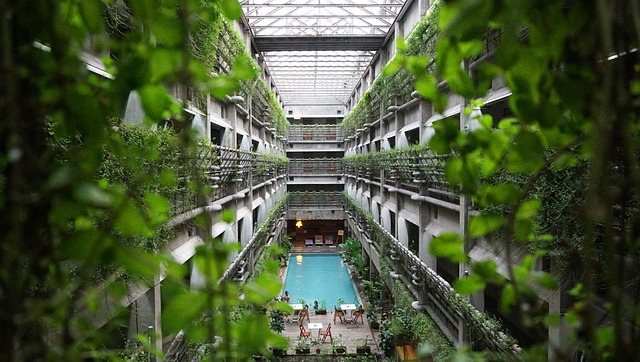
What Makes Living Roof Architecture a Sustainable Choice for Urban Design
Green Roofs: Design, Benefits and Requirements
Living roof architecture has become a central element in the evolution of sustainable urban design. Cities worldwide now integrate vegetated roofs not only for aesthetics but also for measurable environmental performance. These systems regulate temperature, manage stormwater, and extend building lifespan. In modern green home building plans, they represent a practical route to achieving energy efficiency and ecological balance while adding tangible property value.
The Concept of Living Roof Architecture in Urban Sustainability
As urban density increases, rooftops are being reimagined as active ecological surfaces rather than passive enclosures. This shift aligns with broader sustainability frameworks that aim to reconnect built environments with natural processes.
Understanding the Fundamentals of Living Roof Systems
A living roof consists of several layers: vegetation, growing medium, filter fabric, drainage layer, insulation, waterproofing membrane, and structural support. Each layer performs a distinct function—plants absorb rainfall and sunlight, substrates anchor roots and store water, while membranes prevent leakage into the building envelope.
Extensive roofs are lightweight and low-maintenance with shallow soil depths suitable for sedums or grasses. Intensive systems allow deeper planting media that support shrubs or small trees but demand higher structural capacity and upkeep.
Integration into sustainable architecture involves aligning green roof performance with passive design strategies such as daylighting control and thermal buffering to reduce energy loads.
Historical Development and Modern Adoption in Urban Contexts
Green roofs trace their lineage from ancient sod-covered dwellings in Scandinavia to sophisticated engineered assemblies used today. The 20th century saw Germany pioneer modern waterproofing technology that enabled large-scale adoption across Europe.
Urban policy trends now include mandatory green roof ordinances in cities like Toronto and Paris, incentivizing developers through tax credits or density bonuses. Certification frameworks such as LEED and BREEAM recognize green roofs under categories related to heat island reduction, stormwater management, and biodiversity enhancement.
Environmental Benefits of Living Roof Architecture
The environmental performance of living roofs extends beyond individual buildings; they influence citywide climate resilience through measurable ecological functions.
Contribution to Urban Heat Island Mitigation
Vegetated surfaces absorb less solar radiation than conventional materials like asphalt or concrete. Through evapotranspiration, plants release moisture that cools surrounding air layers. Studies by the U.S. Environmental Protection Agency indicate temperature reductions of up to 30°C between vegetated and bare roof surfaces during summer peaks. This cooling effect helps stabilize urban microclimates and reduces energy demand for air conditioning.
Enhancing Air Quality and Carbon Sequestration
Plants on living roofs capture airborne pollutants such as nitrogen oxides (NOx), carbon dioxide (CO₂), and particulate matter (PM10). Over time, this filtration contributes to improved air quality in congested metropolitan zones. Furthermore, rooftop vegetation acts as a carbon sink—modest at the building scale but significant when aggregated across districts—supporting municipal carbon neutrality goals while fostering microhabitats for pollinators.
Stormwater Management and Water Efficiency
A well-designed green roof retains 50–90% of annual rainfall depending on local climate conditions. The substrate acts like a sponge: storing water during storms then slowly releasing it into drainage systems, reducing peak discharge rates that often overwhelm urban sewers. Some designs connect these systems with rainwater harvesting tanks for reuse in irrigation or greywater applications within green home building plans.
Structural and Design Considerations for Green Home Building Plans
Integrating a living roof requires precise coordination among architects, engineers, and landscape specialists to balance aesthetics with technical feasibility.
Engineering Requirements for Load-Bearing Capacity
Structural assessment must account for saturated soil weight plus live loads from maintenance activity or snow accumulation. Lightweight growing media composed of expanded shale or perlite can reduce dead load without compromising plant health. Collaboration early in design ensures proper reinforcement of beams or decks where necessary.
Material Selection for Durability and Performance
Waterproofing Membranes and Root Barriers
Modern waterproof membranes use thermoplastic polyolefin (TPO) or modified bitumen formulations offering flexibility and puncture resistance. Root barriers add protection against aggressive root penetration while maintaining vapor diffusion essential for roof longevity.
Insulation Layers and Drainage Components
High-performance insulation materials such as extruded polystyrene minimize heat transfer through the deck surface. Below the substrate, drainage mats channel excess water toward outlets while retaining enough moisture to sustain vegetation between rains.
Energy Efficiency Implications in Urban Design Contexts
Energy efficiency remains one of the strongest economic arguments for adopting living roofs within sustainable housing schemes.
Thermal Regulation Through Living Roof Systems
The vegetative layer moderates rooftop temperatures year-round—cooler in summer due to shading and evapotranspiration; warmer in winter because trapped air within soil acts as insulation. Empirical research from the National Renewable Energy Laboratory shows potential reductions in cooling energy demand by 25% compared with conventional flat roofs.
Integration with Renewable Energy Technologies
Combining photovoltaic arrays with vegetated surfaces enhances panel efficiency since cooler ambient conditions improve electrical output by up to 10%. Designers increasingly adopt hybrid solar-green configurations where vegetation mitigates heat buildup around panels while optimizing available roof area in dense developments.
Economic Viability and Lifecycle Assessment of Living Roofs
Despite higher upfront costs than traditional roofing systems, lifecycle economics often favor green alternatives due to long-term savings.
Cost Analysis: Installation vs Long-Term Savings
Installation costs range widely—from $150 to $400 per square meter—depending on depth, access complexity, and plant selection. However, energy savings coupled with extended membrane life (often doubled) offset initial investment within 8–12 years according to multiple cost-benefit analyses conducted under ISO 15686 service life planning standards.
Evaluating Return on Investment Through Property Value Enhancement
Properties featuring visible sustainability measures command higher market interest among environmentally conscious buyers. Real estate studies show that certified green buildings can achieve resale premiums between 5%–15%, partly attributed to features like accessible rooftop gardens that enhance occupant satisfaction.
Social and Aesthetic Dimensions in Urban Spaces
Beyond engineering metrics lies an equally powerful social dimension: greenery restores human connection with nature even amid dense skylines.
Psychological Benefits of Green Spaces in Dense Environments
Exposure to vegetation reduces stress hormones, improves concentration levels, and supports community cohesion—findings consistent across environmental psychology literature from organizations such as WHO’s Healthy Cities initiative. Rooftop gardens thus serve not only ecological but also therapeutic functions within compact residential blocks.
Aesthetic Integration into Contemporary Architectural Forms
Harmonizing Vegetation with Building Façades
Architectural expression benefits when plant palettes complement façade materials like glass or metal cladding. Designers often select native species whose seasonal color shifts create dynamic visual continuity between structure and landscape.
Adaptive Use Across Building Typologies
Living roofs are now seen on schools promoting outdoor learning spaces, corporate towers emphasizing wellness branding, and multi-family residences seeking LEED certification—all demonstrating adaptability across typologies without aesthetic compromise.
Policy Frameworks Supporting Green Roof Implementation in Cities
Municipal frameworks have evolved rapidly over the past decade as cities pursue climate adaptation strategies through built-environment regulation.
Regulatory Incentives for Sustainable Building Practices
Many jurisdictions offer financial incentives such as reduced stormwater fees or expedited permitting for projects including vegetated roofs under sustainability ordinances aligned with ISO 14001 environmental management principles. Certification programs further reinforce compliance by quantifying ecosystem services delivered by these installations.
Collaboration Between Public Authorities and Private Developers
Public-private partnerships play an instrumental role where governments provide grants or subsidies while developers contribute technical expertise. Such collaborations have accelerated adoption rates particularly within regeneration districts seeking both ecological restoration and urban branding advantages.
Integrating Living Roof Architecture into Green Home Building Plans
For residential designers developing green home building plans, integrating living roofs is both an environmental strategy and a lifestyle proposition promoting self-sufficiency at household scale.
Strategic Planning for Holistic Sustainability Outcomes
Effective integration requires synchronizing roof design with passive solar orientation to maximize daylight yet prevent overheating. Ventilation pathways should complement natural cooling provided by planted layers while material sourcing favors locally produced substrates minimizing embodied energy impacts.
Key Elements to Include When Designing a Green Home Plan
Site-Specific Environmental Assessment
Local climate data guides plant species selection—succulents thrive under arid conditions whereas meadow mixes suit temperate zones—and informs irrigation scheduling using smart sensors linked to rainfall forecasts.
Energy Modeling Integration
Simulation tools such as EnergyPlus predict how vegetative mass affects thermal comfort indices across seasons enabling architects to fine-tune insulation thicknesses before construction begins.
Lifecycle Sustainability Metrics
Comprehensive lifecycle analysis evaluates embodied carbon from material extraction through disposal phases ensuring recyclability targets align with circular economy principles embedded within international sustainability standards like ISO 21930.
FAQ
Q1: What is the main difference between extensive and intensive green roofs?
A: Extensive roofs use shallow soil layers supporting hardy plants needing minimal care; intensive types accommodate deeper soils suitable for shrubs or trees but require more maintenance due to greater biodiversity potential.
Q2: How do living roofs contribute to reducing urban flooding?
A: They absorb rainfall directly into their substrate layers then release it gradually into drains which lowers runoff peaks during storms helping cities manage flood risks more effectively.
Q3: Are there specific structural requirements before installing a green roof?
A: Yes, engineers must verify that existing decks can bear additional loads from saturated soil plus live maintenance weights; reinforcement may be required if older structures lack adequate capacity.
Q4: Can solar panels be installed alongside vegetation on the same roof?
A: Yes; combining both technologies improves photovoltaic efficiency because cooler ambient temperatures around plants prevent panel overheating which otherwise reduces power output efficiency over time.
Q5: Do green roofs significantly increase property value?
A: Market data suggests properties featuring visible sustainable elements like rooftop gardens often attract premium pricing reflecting buyer preference for eco-conscious features integrated into modern housing design.