
Can the Best Sustainable Architects Redefine Green Design for a Circular Future
Sustainable Architecture, Women Architects, Green Design, Gender Inclusion, Circular Economy
Sustainable architecture is no longer a niche concept but a central pillar of global design practice. The best sustainable architects are moving beyond energy efficiency to embrace circular systems, gender inclusion, and regenerative approaches that actively restore ecosystems. Women architects are shaping this transformation by introducing social equity and community-centered values into the built environment. Circular design principles now define how buildings are conceived, constructed, and renewed across their life cycles. This evolution signals a fundamental shift: sustainability in architecture is not about doing less harm—it’s about designing for continuous renewal.
The Changing Paradigm of Sustainable Architecture
The definition of sustainability in architecture has expanded dramatically over the past decade. It now includes environmental performance, material ethics, and social well-being within one integrated framework.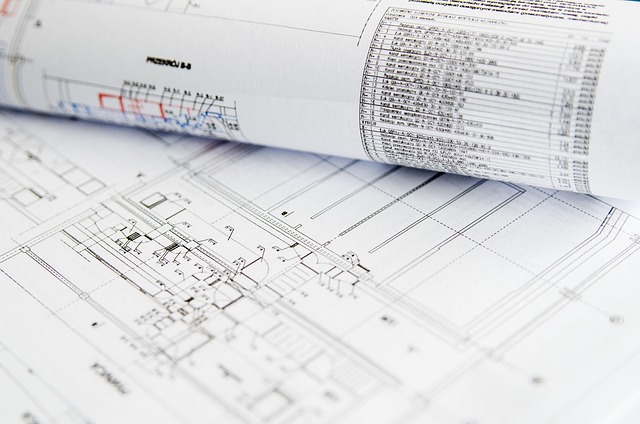
Redefining Sustainability in the Built Environment
Sustainability today encompasses more than low-energy systems; it involves cultural continuity and material stewardship. Architects are adopting life-cycle thinking to evaluate how every design decision affects future generations. Regenerative design aims to create buildings that generate ecological value—through water harvesting, biodiversity support, or carbon sequestration—rather than merely reducing damage. The shift from mitigation to regeneration marks a philosophical leap toward positive environmental impact.
The Intersection of Architecture and the Circular Economy
Circular economy principles are reshaping how buildings are designed and managed. In this model, structures act as repositories of reusable materials rather than static entities destined for demolition. Material passports document each component’s composition and potential for reuse, while digital twins simulate performance over time to optimize resource flow. Architects play a pivotal role here by designing adaptable spaces that can evolve with changing functions instead of expiring prematurely.
Leading Voices in Sustainable Architecture
The conversation around sustainable design is being led by architects who view systems holistically—combining technology, ecology, and community engagement.
The Role of Visionary Architects in Shaping Circular Futures
Visionary designers interpret sustainability as an interconnected network rather than an isolated goal. Their projects often integrate resilience through flexible layouts and community-driven planning processes. Collaboration between architects, engineers, and policymakers fosters innovation that aligns with both environmental goals and human needs.
Women Architects Driving Sustainable Transformation
Women architects have become key drivers of sustainable transformation by merging ecological awareness with social justice concerns. Their leadership brings inclusive approaches that emphasize accessibility, safety, and shared ownership within urban contexts. Gender diversity broadens problem-solving frameworks by blending empathy with technical precision—a combination increasingly valued in green design studios worldwide.
Principles Guiding the Work of Sustainable Architects
To achieve meaningful change, sustainable architects rely on integrated strategies that balance passive performance with advanced technologies.
Integrating Passive Design Strategies with Modern Technologies
Passive design remains foundational: orientation, natural ventilation, shading devices, and thermal mass still outperform many mechanical systems when properly applied. Smart sensors now complement these strategies by providing real-time data on air quality and energy use. Hybrid models combine ancient climatic wisdom—like courtyard cooling—with modern automation to create adaptive comfort environments.
Material Innovation and Life-Cycle Thinking
Material selection defines much of a building’s environmental footprint. Reclaimed timber or recycled steel drastically reduce embodied carbon compared to virgin materials. Bio-based materials such as mycelium composites or hempcrete contribute to regenerative ecosystems by sequestering carbon during growth phases. Life-cycle assessment tools help architects quantify these impacts early in design stages to guide lower-impact choices.
Gender Inclusion as a Catalyst for Architectural Innovation
Diversity within architectural leadership has proven essential for innovation in sustainable practice.
The Importance of Diversity in Design Leadership
Multidisciplinary teams that include diverse voices tend to produce solutions more responsive to local contexts and user needs. Inclusion ensures sustainability extends beyond environmental metrics to address social equity—affordable housing access, safe public spaces, equitable resource distribution. Mentorship programs also play a vital role by connecting emerging women professionals with established leaders in sustainable architecture.
Overcoming Structural Barriers in the Profession
Despite progress, institutional biases still hinder women’s advancement within major firms and academia. Policy frameworks promoting gender equity—such as transparent hiring practices or parental support policies—strengthen the sector’s capacity for innovation. Visibility of female-led projects helps rewrite professional narratives that have long excluded their contributions from mainstream recognition.
Circular Design as the Future Framework for Architecture
Circularity is becoming the dominant framework guiding architectural thought toward regenerative cities.
Designing Buildings as Material Banks
In circular construction models, every building component is treated as part of a material bank ready for future reuse or recycling. Modular assemblies simplify disassembly at end-of-life stages while maintaining structural integrity during use. Digital documentation ensures traceability so that materials retain financial value across multiple life cycles—a concept already piloted in several European cities’ adaptive reuse projects.
Urban Systems Thinking for Regenerative Cities
Circular thinking extends from individual buildings to entire urban metabolisms where waste from one process becomes input for another. Integrated infrastructure planning links water treatment, energy generation, and food production into closed-loop systems that regenerate local resources rather than deplete them. Collaboration among architects, planners, ecologists, and civic leaders builds systemic resilience against climate disruptions.
Educational Pathways and Research Directions in Sustainable Architecture
Education remains the foundation upon which future innovations will rest.
Advancing Architectural Education Toward Circular Competencies
Universities are embedding circular economy theory into architectural curricula alongside technical courses on material science and environmental metrics. Interdisciplinary learning connects architecture students with peers from engineering or policy backgrounds to foster holistic thinking about resource cycles. Studio-based experimentation encourages hands-on exploration using reclaimed materials or modular prototypes built from waste streams.
Research Frontiers Shaping the Next Generation of Green Design
Computational modeling now allows researchers to simulate entire building life cycles under varying climate scenarios. Artificial intelligence assists in predicting material degradation patterns or optimizing supply chains for minimal waste generation. Emerging fields like biodesign explore living materials capable of self-repair or carbon absorption—pushing boundaries toward truly regenerative construction methods.
Global Collaboration for a Circular Built Environment
International cooperation is essential if circular principles are to scale globally across diverse regulatory contexts.
Policy Alignment and International Standards for Sustainability
Harmonized global standards under organizations such as ISO or IEA create consistency in evaluating sustainability performance across regions. Certification frameworks are evolving beyond energy ratings to include circularity metrics like recyclability rates or embodied carbon thresholds. Shared policy initiatives encourage accountability among governments and private sectors alike toward net-positive construction goals.
The Role of Cross-Sector Partnerships in Scaling Impact
Cross-sector partnerships linking academia, industry leaders, and government agencies accelerate adoption through joint research funding and pilot programs. Public-private collaborations finance large-scale circular developments while knowledge-sharing networks spread insights from pioneering projects globally. These partnerships transform isolated experiments into scalable blueprints for sustainable urban futures driven by collective expertise rather than competition alone.
FAQ
Q1: What defines the best sustainable architects today?
A: They integrate ecological restoration with social inclusion while designing adaptable structures aligned with circular economy principles.
Q2: How do women architects influence green design?
A: They introduce inclusive perspectives that merge community well-being with ecological priorities, expanding sustainability’s human dimension.
Q3: Why is circular design central to future cities?
A: It treats buildings as evolving systems where materials circulate continuously instead of ending up as waste after demolition cycles.
Q4: What role does technology play in sustainable architecture?
A: Smart monitoring tools enhance passive strategies by tracking performance data that inform adaptive management throughout a building’s life span.
Q5: How can education advance gender-inclusive sustainability?
A: By embedding diversity-driven collaboration into curricula so students learn both technical competence and social responsibility essential for equitable green futures.