
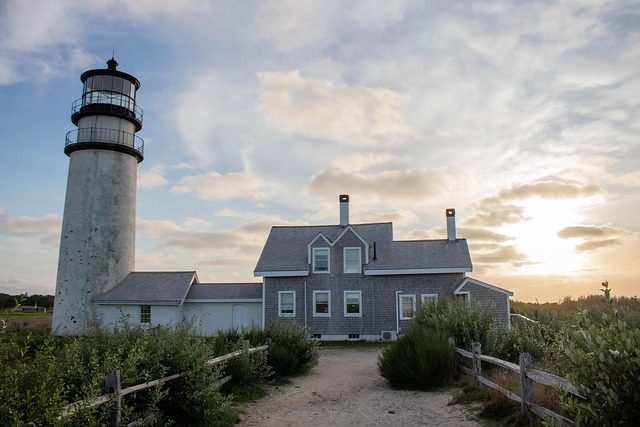
What Defines Cape Cod Home Design in a Classic Coastal Interior
Inside a Classic Cape Cod Home
Cape Cod home design remains one of the most enduring architectural styles in American residential history. Its charm lies in proportion, craftsmanship, and restraint. Rooted in 17th‑century New England practicality, the style evolved to balance form and function against harsh coastal conditions. Today, architects reinterpret its familiar silhouette with sustainable materials and modern comfort while retaining its quintessential symmetry and natural palette. A classic Cape Cod home blends historical integrity with contemporary sensibility—simple yet refined, modest yet timeless.
Architectural Elements That Define Cape Cod Home Design
The architectural identity of Cape Cod homes stems from centuries of adaptation to coastal life. Every structural choice—from roof pitch to window placement—serves both aesthetic and climatic purposes, creating a design language that feels both regional and universal.
Historical Origins and Evolution of Cape Cod Architecture
Cape Cod architecture began in 17th‑century New England as settlers built compact houses suited for cold winters and salty air. Early examples featured steeply pitched roofs that shed snow easily, central chimneys for even heating, and symmetrical façades that conveyed order. These homes were typically one or one‑and‑a‑half stories tall, built from local pine or cedar. Over time, the style evolved through the Colonial Revival movement of the early 20th century, which reintroduced dormers and decorative shutters while preserving simplicity. Modern interpretations now use advanced insulation, engineered wood, and composite shingles but maintain the original proportions that define Cape Cod home design.
Key Structural Features of the Cape Cod Style
A traditional Cape Cod roof is steeply gabled to handle heavy snow loads and strong winds common along the Atlantic coast. Dormer windows add light to attic spaces while improving ventilation—an early form of passive climate control still relevant today. The floor plan centers around a main living area with rooms branching symmetrically on either side, reinforcing balance and efficiency. Cedar shingles remain iconic; they weather into a silvery gray that harmonizes with dunes and sea grass, allowing the house to blend naturally into its environment.
Exterior Detailing and Material Choices
Exterior finishes play a crucial role in defining character. Natural wood siding paired with stone foundations provides durability against coastal moisture. Muted color palettes—soft whites, grays, or sandy taupes—reflect maritime tones rather than compete with them. Shutters frame windows without ostentation; window boxes often hold seasonal blooms for subtle color variation. Increasingly, sustainability drives material selection: reclaimed timber reduces environmental impact while maintaining authenticity, and energy‑efficient insulation hides within traditional walls without altering their appearance.
Interior Layout and Spatial Organization in Cape Cod Homes
Inside a classic Cape Cod home, spatial logic mirrors exterior symmetry. The layout prioritizes comfort within compact dimensions while fostering visual continuity between rooms.
The Concept of Functional Symmetry in Floor Plans
Rooms typically organize around a central hearth or staircase—the symbolic heart of the home. This arrangement promotes efficiency: heat radiates evenly from the center while minimizing corridor space. Even small houses feel balanced because each side mirrors the other in scale or proportion. In contemporary renovations, open‑plan configurations replace some interior walls to connect kitchen, dining, and living areas seamlessly without losing structural order.
The Role of Light and Space in Coastal Interiors
Natural light defines interior atmosphere more than ornamentation does. Large windows capture changing daylight and frame ocean or garden views. Pale wall colors—whitewashed plaster or eggshell paint—amplify brightness across rooms with low ceilings typical of older Capes. Designers often introduce reflective surfaces such as glass tabletops or polished nickel fixtures to enhance spatial perception without cluttering sightlines.
Design Elements That Capture the Classic Coastal Aesthetic
The interior palette extends the calm rhythm established by exterior materials. Every element—from wall color to fabric weave—echoes coastal simplicity rather than luxury display.
Color Palettes Inspired by the New England Shoreline
Soft whites dominate walls while sand tones ground floors through natural oak or bleached pine planks. Accents in navy blue or driftwood gray recall maritime heritage yet remain understated enough for year‑round living. Designers layer neutrals rather than contrast them sharply; this approach creates depth under varying daylight conditions while maintaining serenity associated with seaside environments.
Textures and Materials Characteristic of Coastal Living
Linen curtains flutter lightly against salt air; cotton slipcovers resist humidity; jute rugs add tactile grounding beneath bare feet after beach walks. Weathered wood furniture introduces warmth where minimal ornamentation might otherwise feel austere. Stone fireplaces—sometimes brick in older homes—serve as focal points linking craftsmanship traditions with modern heating systems discreetly integrated inside historic mantels.
Furnishings and Decorative Principles in Cape Cod Interiors
Furniture choices reinforce architectural modesty rather than compete with it. The goal is comfort rooted in craft rather than display.
Furniture Selection for Timeless Coastal Appeal
Pieces often feature simple joinery: ladder‑back chairs, trestle tables, spindle beds finished in soft paint washes or natural stains. Painted furniture contrasts gently against neutral backdrops without overwhelming them. Upholstery favors cotton duck or linen blends that tolerate humidity well—a practical necessity near sea air exposure.
Decorative Accents Rooted in Nautical Heritage
Maritime references appear subtly—a coiled rope detail on a lamp base or an antique compass displayed on a shelf—not as themed décor but as historical nods to seafaring origins. Wall art frequently depicts coastal landscapes rendered abstractly rather than literally to preserve calmness across interiors already defined by texture variation instead of bright color saturation.
Modern Adaptations of the Classic Cape Cod Home Design
Contemporary architects reinterpret tradition through technology while respecting scale and proportion fundamental to this style’s longevity.
Integrating Contemporary Comforts into Traditional Frameworks
Modern kitchens open directly into dining areas yet retain paneled cabinetry reminiscent of earlier craftsmanship. Stainless appliances coexist beside soapstone counters without visual discord because finishes remain matte rather than glossy. Energy‑efficient glazing replicates divided lites found in old sash windows but improves thermal performance significantly—a quiet evolution invisible from curbside view.
Balancing Preservation with Innovation in Coastal Architecture
Renovations focus on maintaining rhythm between old volumes and new additions like screened porches or sunrooms that extend usability through seasons without disturbing heritage silhouettes. Architects increasingly apply adaptive reuse strategies: salvaging beams from dismantled barns for structural reinforcement or converting attics into guest suites using reclaimed flooring boards sourced locally to reduce carbon footprint while sustaining authenticity.
FAQ
Q1: What makes Cape Cod home design distinct from other colonial styles?
A: Its compact symmetry, steep rooflines, central chimney placement, and cedar shingle exteriors distinguish it from broader colonial architecture which often features larger footprints or decorative flourishes.
Q2: Are modern Cape Cod homes energy efficient?
A: Yes, many incorporate upgraded insulation systems, double‑pane windows, and efficient HVAC units concealed within traditional frameworks to meet current energy standards without altering appearance.
Q3: How do designers preserve historical authenticity during renovations?
A: They maintain original proportions, reuse existing materials when possible, and match new finishes carefully so transitions between old and new remain visually seamless.
Q4: Which materials best capture authentic coastal texture indoors?
A: Natural fibers like linen or jute combined with weathered wood surfaces reproduce tactile warmth characteristic of original seaside cottages.
Q5: Why has Cape Cod architecture remained popular over centuries?
A: Its balanced proportions adapt easily across climates and eras; simplicity allows homeowners to integrate evolving technologies while retaining timeless charm inherent to coastal living aesthetics.