
Is Modern Style Interior Driving the Expansion of the Global Interior Design Market
Interior Design Market Expands as Consumers Redefine Modern Living Spaces
The global interior design industry is evolving rapidly as modern living standards shift toward flexibility, sustainability, and digital engagement. Demand for modern style interior concepts—marked by clean lines, neutral palettes, and functional elegance—continues to rise across both residential and commercial sectors. Urbanization, technological innovation, and eco-conscious values are reshaping how spaces are designed and experienced. The market’s expansion reflects a broader cultural transformation where design no longer serves only aesthetics but also lifestyle integration and environmental responsibility.
The Global Interior Design Market Landscape
As the global economy recovers and consumer lifestyles evolve, interior design has become a key expression of identity and comfort. The market’s growth trajectory highlights how design preferences mirror socioeconomic shifts.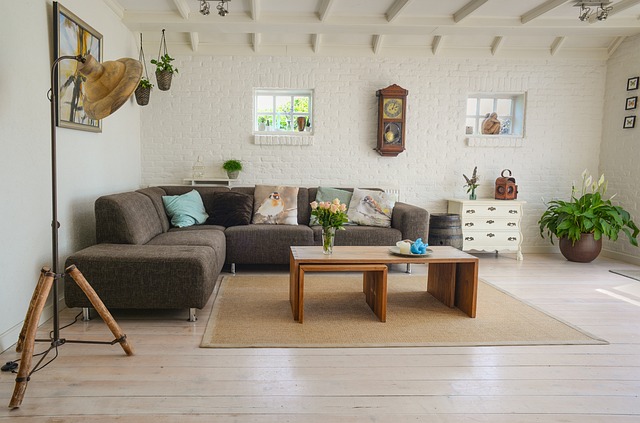
Current Market Overview and Growth Trends
The interior design market is experiencing steady global expansion driven by consumer demand for modern living environments. Increased urbanization and rising disposable incomes are influencing interior design investments. Digital transformation and online design platforms are reshaping how consumers engage with designers. Industry reports from Bloomberg indicate that the global interior design market surpassed USD 150 billion in 2023, with an expected CAGR of around 5% through 2030. This growth is underpinned by technological adoption, sustainability initiatives, and rising awareness of spatial well-being.
Regional Insights into Market Development
North America and Europe maintain strong markets due to mature design industries and high spending power. Asia-Pacific shows accelerated growth fueled by rapid urban development and evolving lifestyle preferences. Emerging markets in Latin America and the Middle East are adopting contemporary aesthetics aligned with global trends. In cities such as Dubai, São Paulo, and Shanghai, demand for modern interiors reflects both cultural modernization and economic diversification. Meanwhile, European markets emphasize heritage renovation combined with sustainable materials—a balance between old-world charm and new-age efficiency.
Understanding Modern Style Interior as a Market Driver?
Modern style interior design plays a pivotal role in shaping consumer expectations across all segments of the industry. Its adaptability to different cultural contexts makes it both globally recognizable and locally relevant.
Defining Modern Style in Contemporary Interior Design
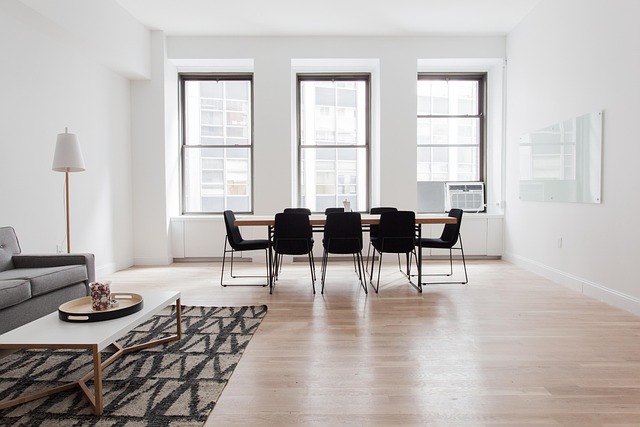
Modern style emphasizes simplicity, functionality, and clean lines. Neutral color palettes, open spaces, and minimalist décor dominate this aesthetic. Integration of technology and sustainable materials enhances the modern appeal. In practice, this means uncluttered layouts with hidden storage solutions, matte finishes over glossy ones, and natural light prioritized through large windows or glass partitions.
Consumer Preferences Shaping Modern Interiors
Younger demographics prioritize flexible, multifunctional spaces suited for hybrid lifestyles. Demand for sustainable materials aligns with eco-conscious consumer behavior. Personalization within modern frameworks allows individuality without cluttered designs. Millennials often favor modular furniture that adapts to small apartments or co-living setups while maintaining visual calmness—a reflection of their mobile yet rooted lifestyles.
The Economic Influence of Modern Style on Industry Growth
The economic impact of modern style extends beyond aesthetics; it drives material innovation, real estate valuation, and brand differentiation across sectors.
Impact on Residential Interior Design Demand
Homeowners invest in modern interiors to enhance comfort, resale value, and energy efficiency. The rise of remote work has increased interest in functional yet stylish home office designs. Modular furniture and smart home integration are becoming standard features in modern homes. For instance, Scandinavian-inspired minimalism continues to dominate residential renovations due to its timeless appeal and affordability in maintenance.
Influence on Commercial and Hospitality Sectors
Businesses adopt modern aesthetics to reflect innovation, efficiency, and brand identity. Hotels, restaurants, and co-working spaces use contemporary interiors to attract younger clientele. Corporate sustainability goals encourage the use of eco-friendly modern materials in design projects. A growing number of hospitality chains now prioritize biophilic elements—plants, natural textures—to soften sleek environments while supporting wellness branding.
Technological Advancements Supporting Modern Interior Trends
Technology has become an essential partner in both creative processes and user experience enhancement within the interior design ecosystem.
Digital Tools Transforming Design Processes
Virtual reality (VR) and augmented reality (AR) enable immersive visualization experiences for clients. AI-driven design software accelerates project planning and customization. Cloud-based collaboration tools streamline communication between designers, suppliers, and clients. These tools shorten project cycles while improving precision—an advantage particularly valuable for international projects where remote coordination is standard practice.
Smart Home Integration as a Catalyst for Modern Interiors
IoT-enabled devices influence spatial planning and aesthetic choices in modern designs. Lighting automation, climate control, and voice assistants redefine functional luxury. Designers incorporate smart systems seamlessly into minimalistic environments to maintain visual harmony. Smart thermostats or adaptive lighting systems not only elevate comfort but also contribute to energy savings—a dual benefit that resonates with both homeowners and developers.
Sustainability as a Core Element of Modern Style Interiors
Sustainability has moved from trend to necessity within the realm of modern style interior projects worldwide.
Eco-Friendly Materials and Resource Efficiency
Designers increasingly use recycled metals, reclaimed wood, and low-VOC finishes. Energy-efficient lighting solutions contribute to both sustainability goals and cost reduction. Lifecycle assessments guide material selection to minimize environmental impact. ISO 14001 environmental management standards now influence procurement decisions across major architecture firms seeking measurable green credentials.
Green Certifications Driving Market Credibility
LEED-certified projects gain competitive advantages in commercial real estate markets. Consumers associate certified interiors with quality, responsibility, and long-term value retention. Developers often highlight certifications during marketing campaigns as tangible proof of corporate responsibility—a factor influencing tenant attraction rates in premium properties.
Future Outlook: Modern Style’s Role in Shaping Global Interior Design Dynamics?
Looking ahead, the evolution of modern style will continue redefining what “living space” means across cultures—from compact urban apartments to large-scale mixed-use developments.
Anticipated Shifts in Consumer Behavior and Design Preferences
Hybrid living spaces will continue to blur boundaries between work, leisure, and wellness areas. Cultural fusion will influence new interpretations of “modern” across regions. For example, Southeast Asian designers increasingly merge local craftsmanship with minimalist geometry—a blend that preserves authenticity while appealing to international buyers seeking uniqueness within simplicity.
Strategic Opportunities for Industry Stakeholders
Collaboration between designers, tech firms, and material innovators can accelerate market growth. Investment in digital marketing and virtual showrooms enhances client engagement globally. Firms that combine data-driven personalization with emotional storytelling stand out—particularly as clients expect transparency about sourcing practices alongside aesthetic excellence.
FAQ
Q1: What defines a modern style interior?
A: It focuses on simplicity through clean lines, neutral colors like white or gray tones, open layouts that enhance natural light flow, functional furniture pieces without excessive ornamentation.
Q2: Why is sustainability important in modern interiors?
A: Sustainable materials reduce carbon footprint while improving indoor air quality; they also align with global green building standards such as LEED or ISO 14001 certification frameworks.
Q3: How does technology influence today’s interior design process?
A: Designers use VR visualization tools for client presentations; AI assists space planning; IoT devices integrate smart functionality directly into everyday living environments.
Q4: Which regions show the fastest growth in interior design demand?
A: Asia-Pacific leads due to rapid urbanization; however North America retains dominance through established markets emphasizing luxury renovation projects.
Q5: What future trends will shape the industry?
A: Expect more hybrid spaces blending home-office functions; stronger emphasis on circular materials; deeper integration between technology ecosystems and design aesthetics driving next-generation interiors.